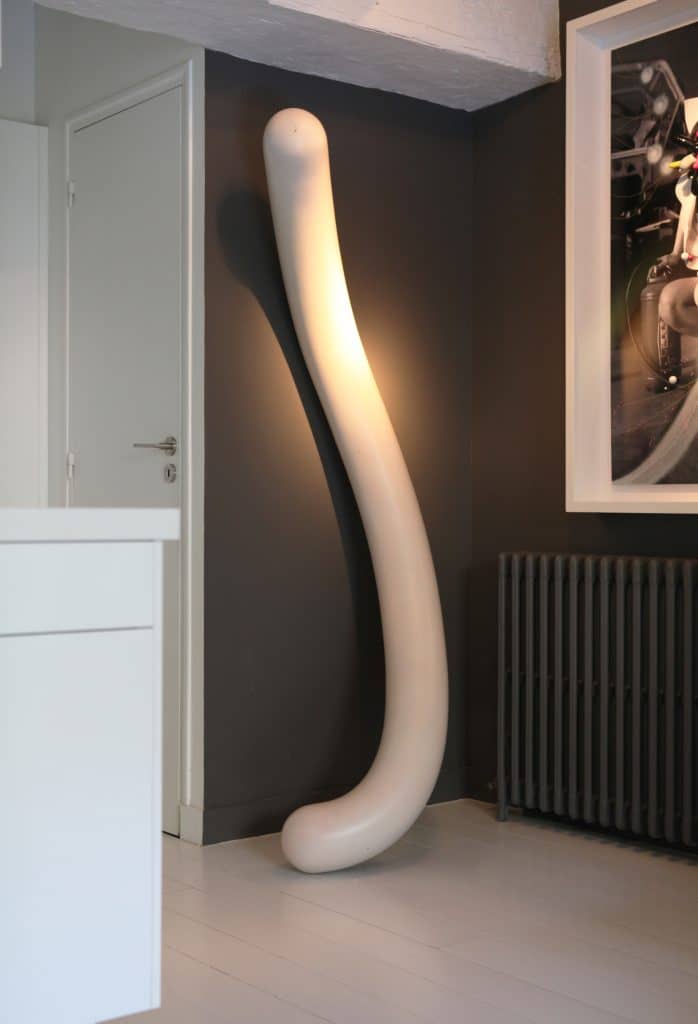
3×1,8
2023
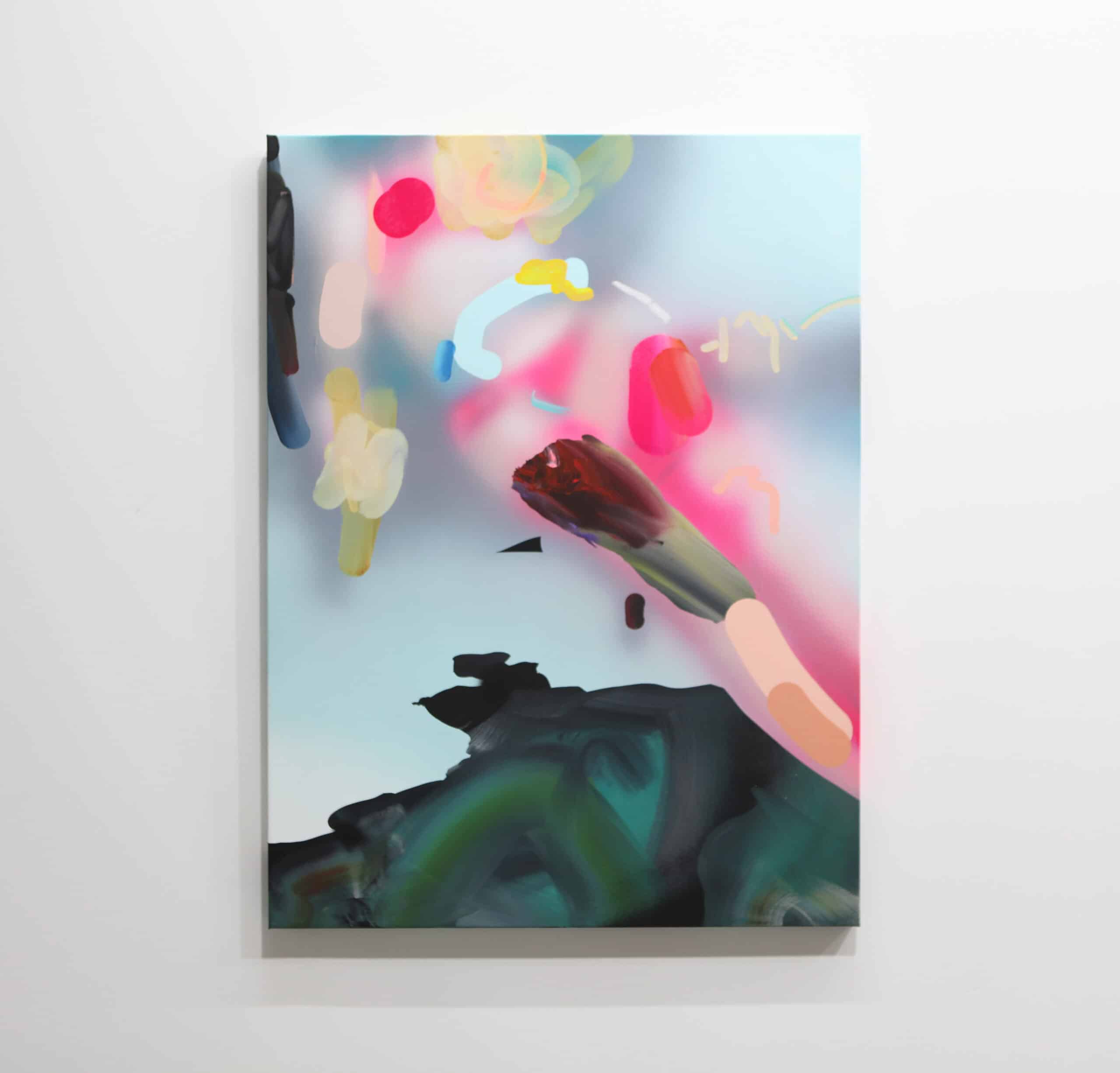
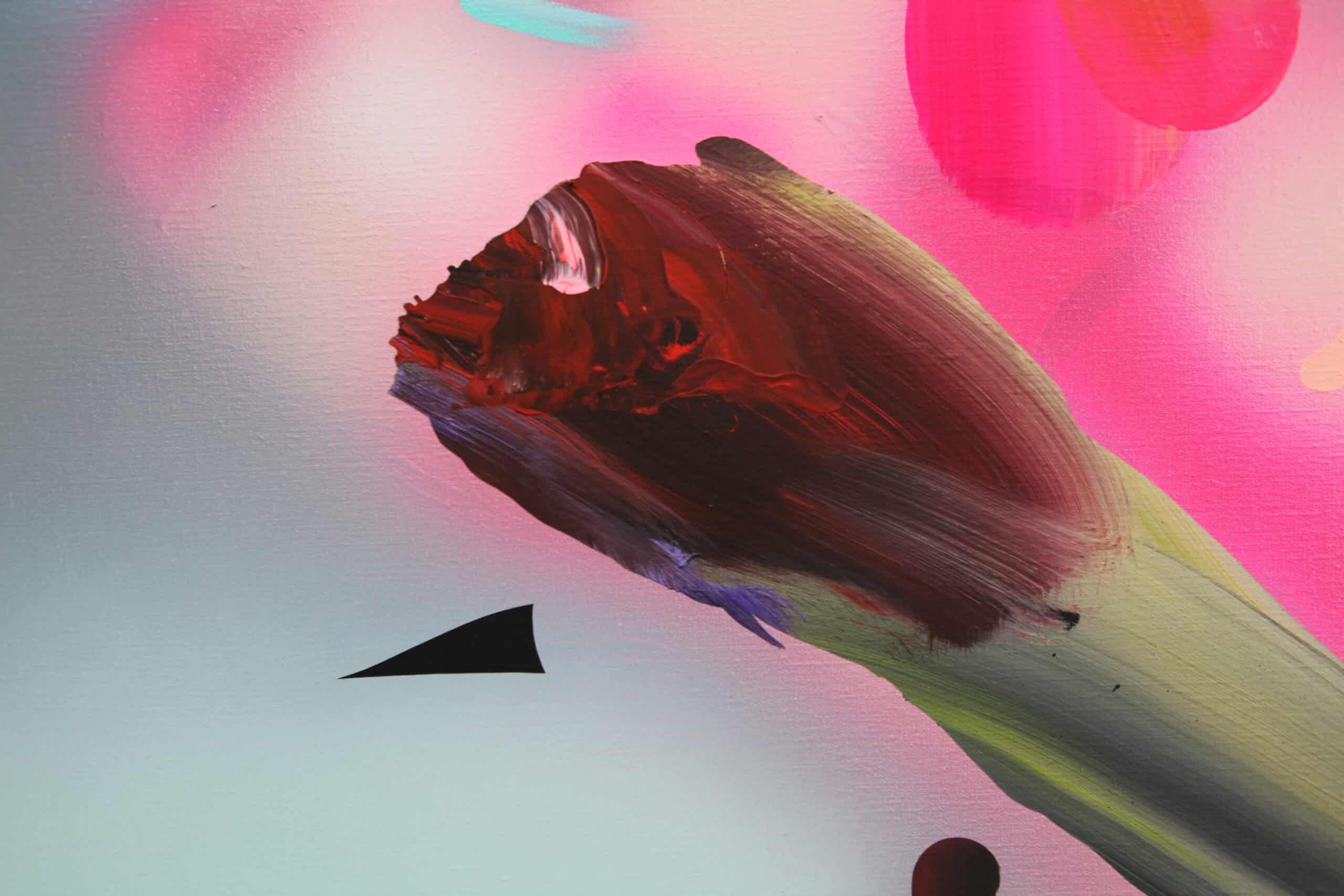
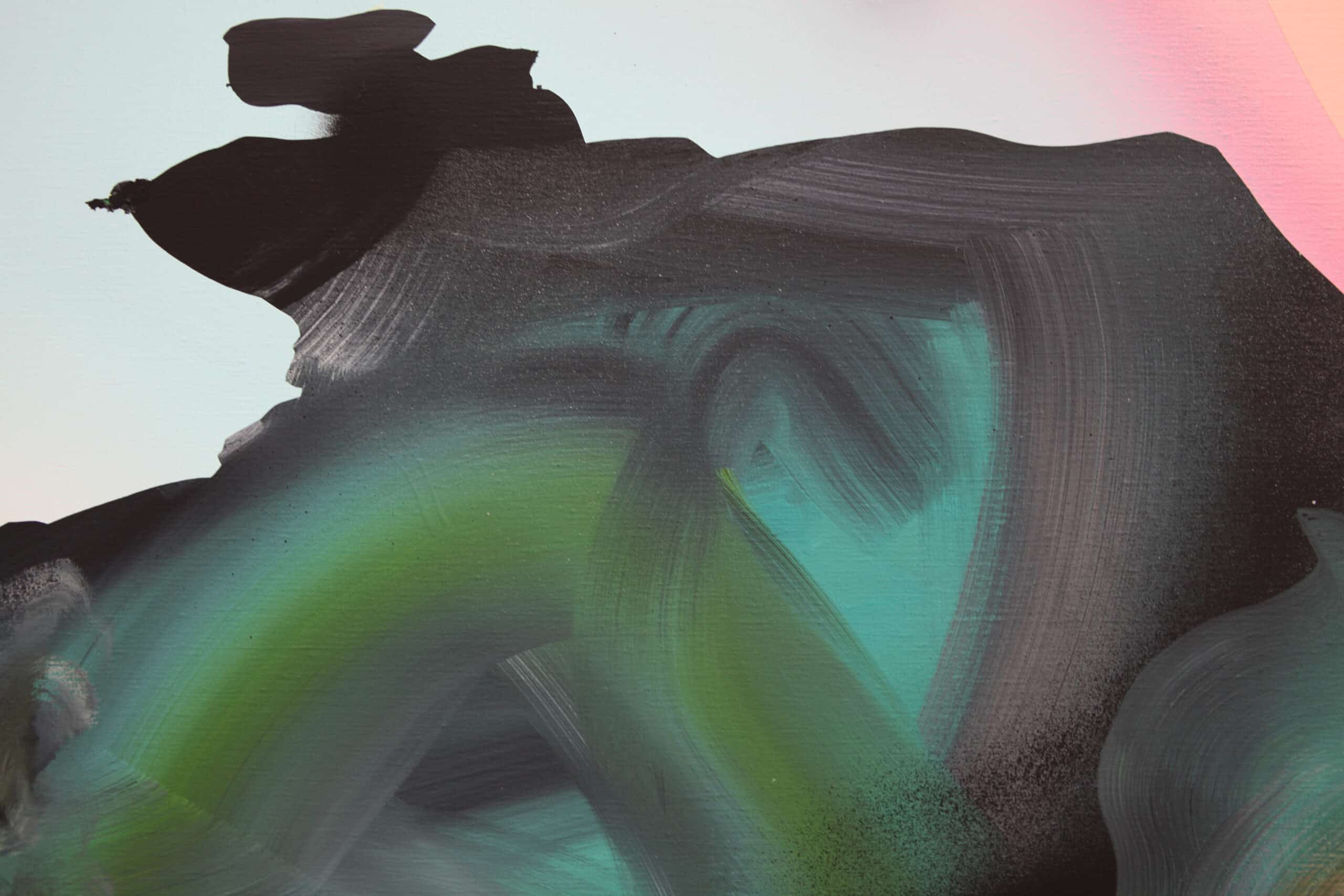
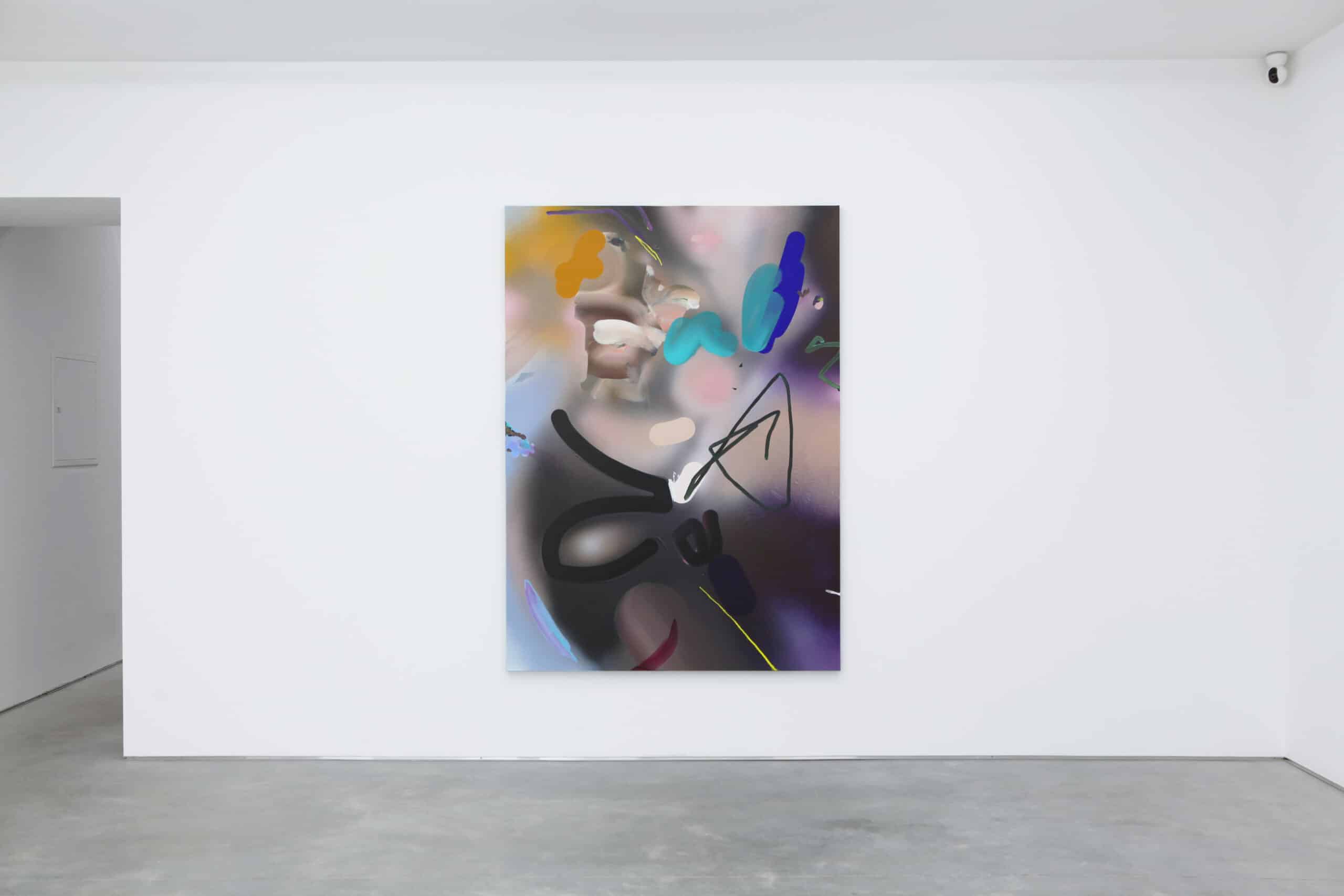
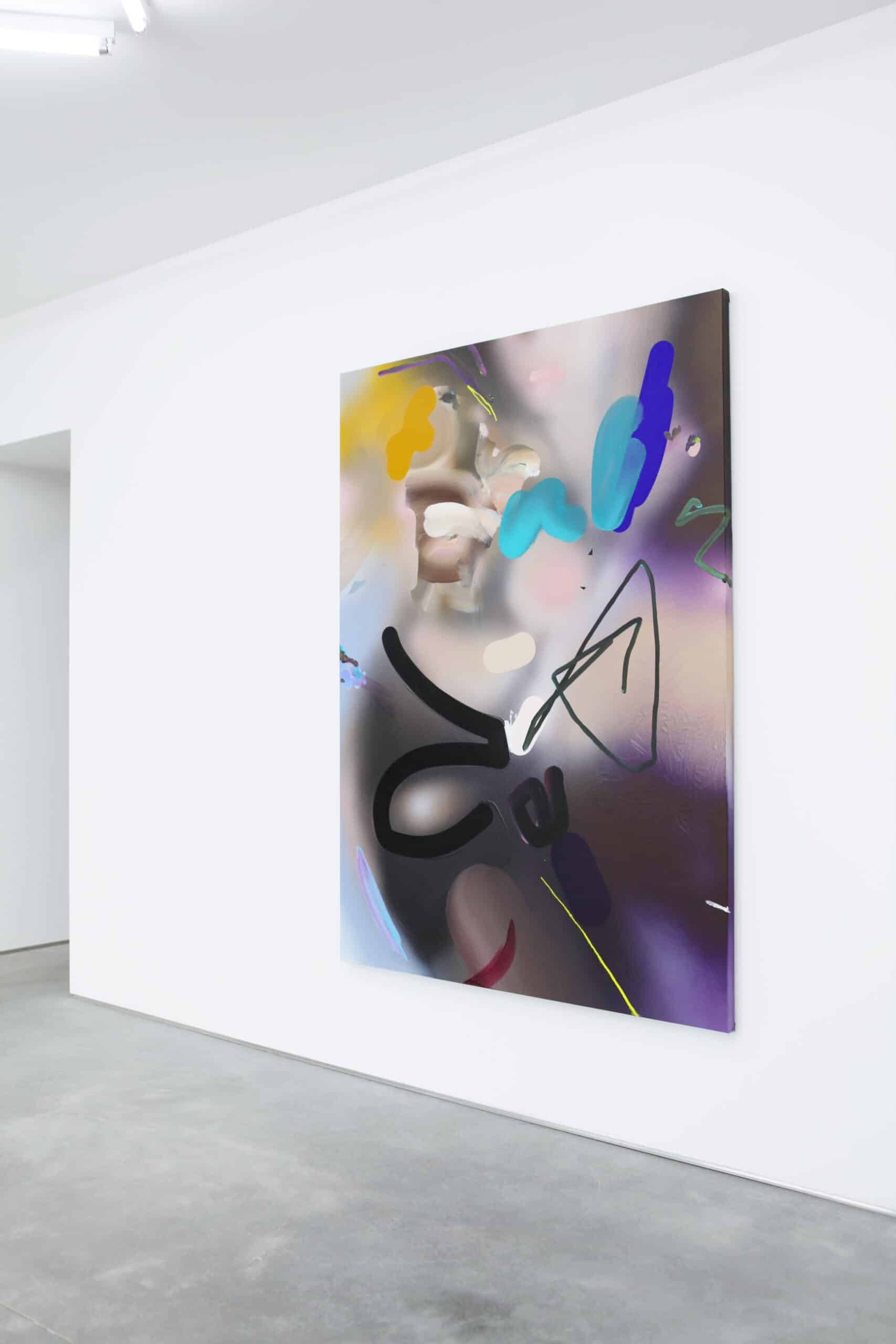
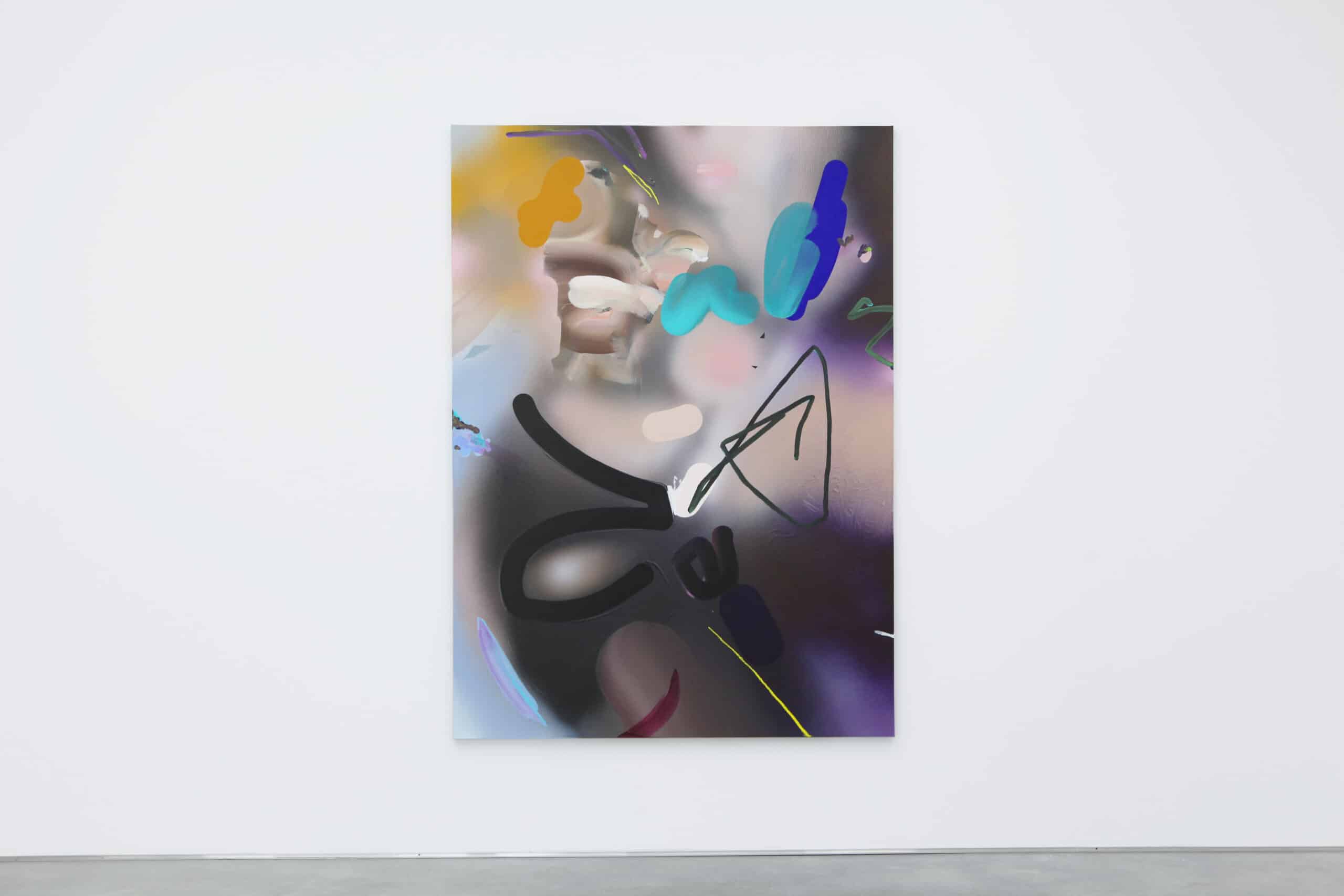
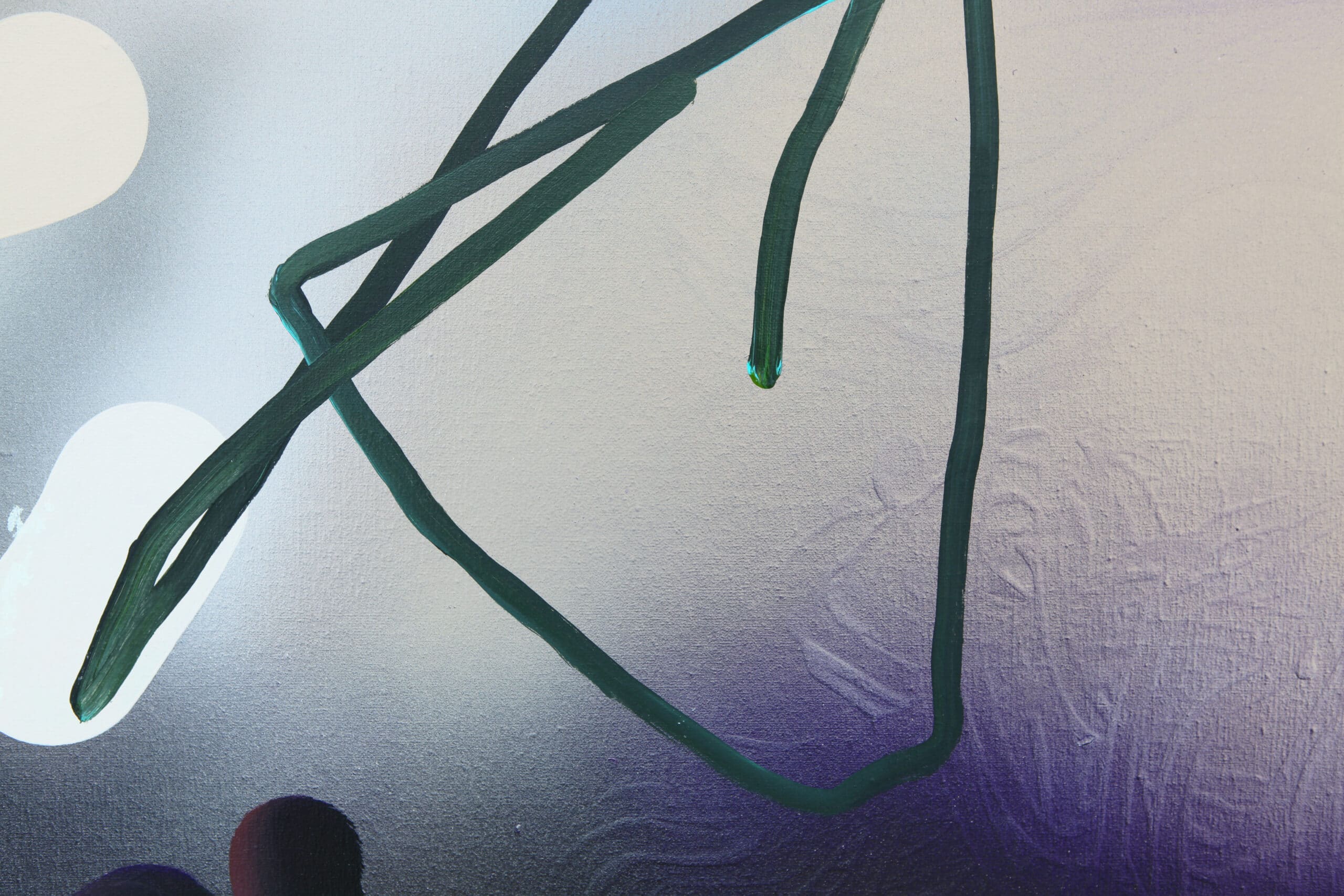
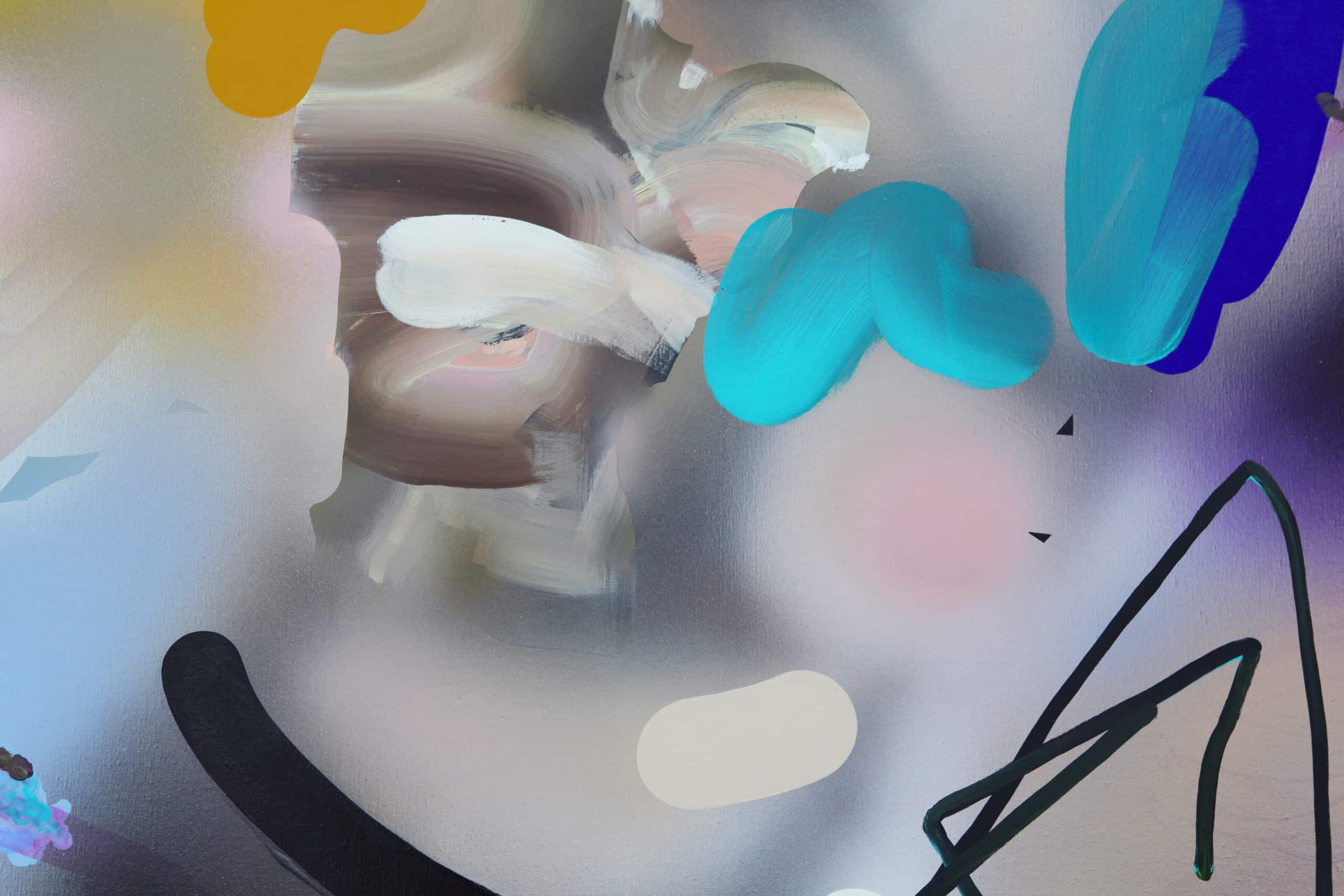
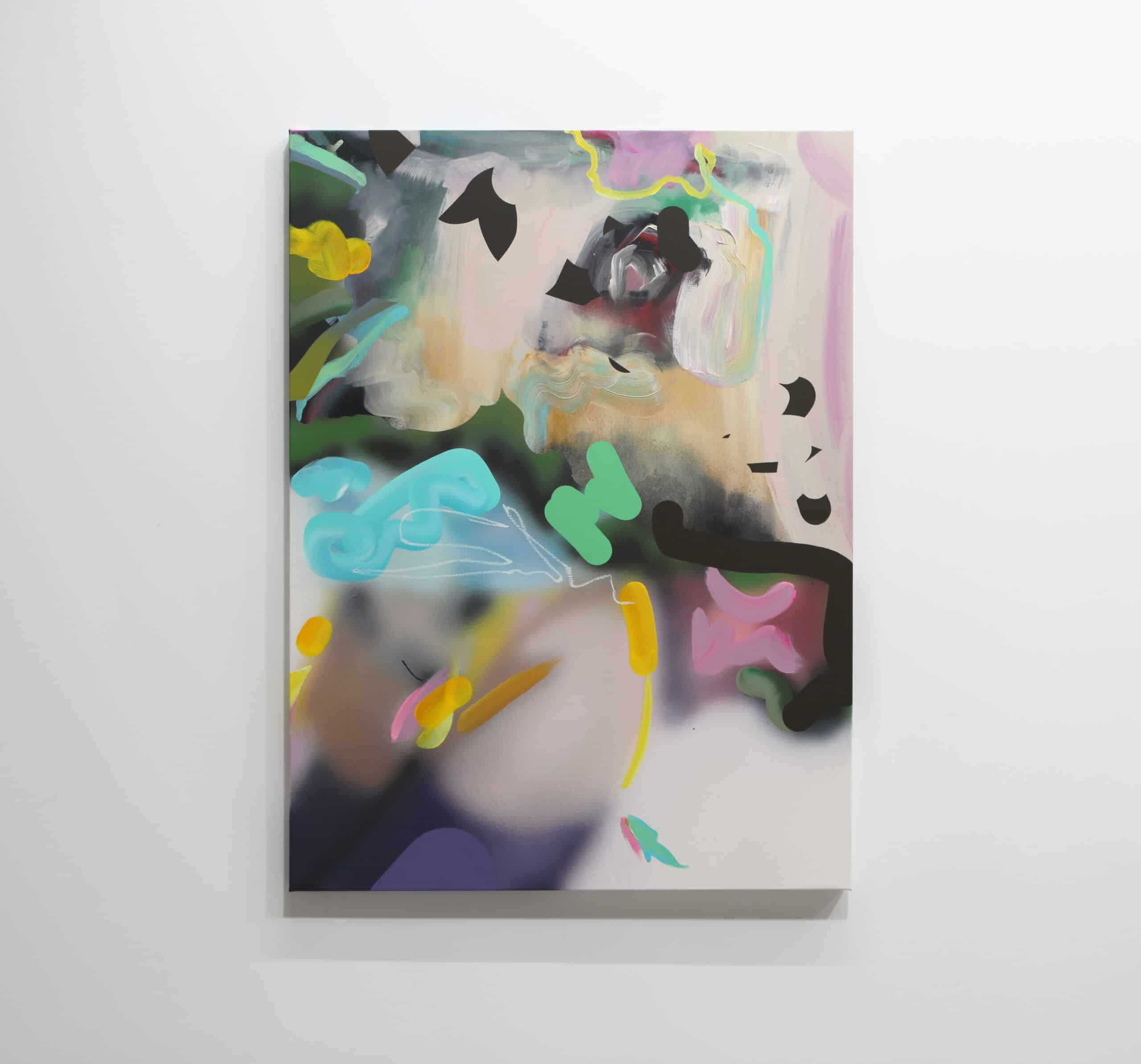
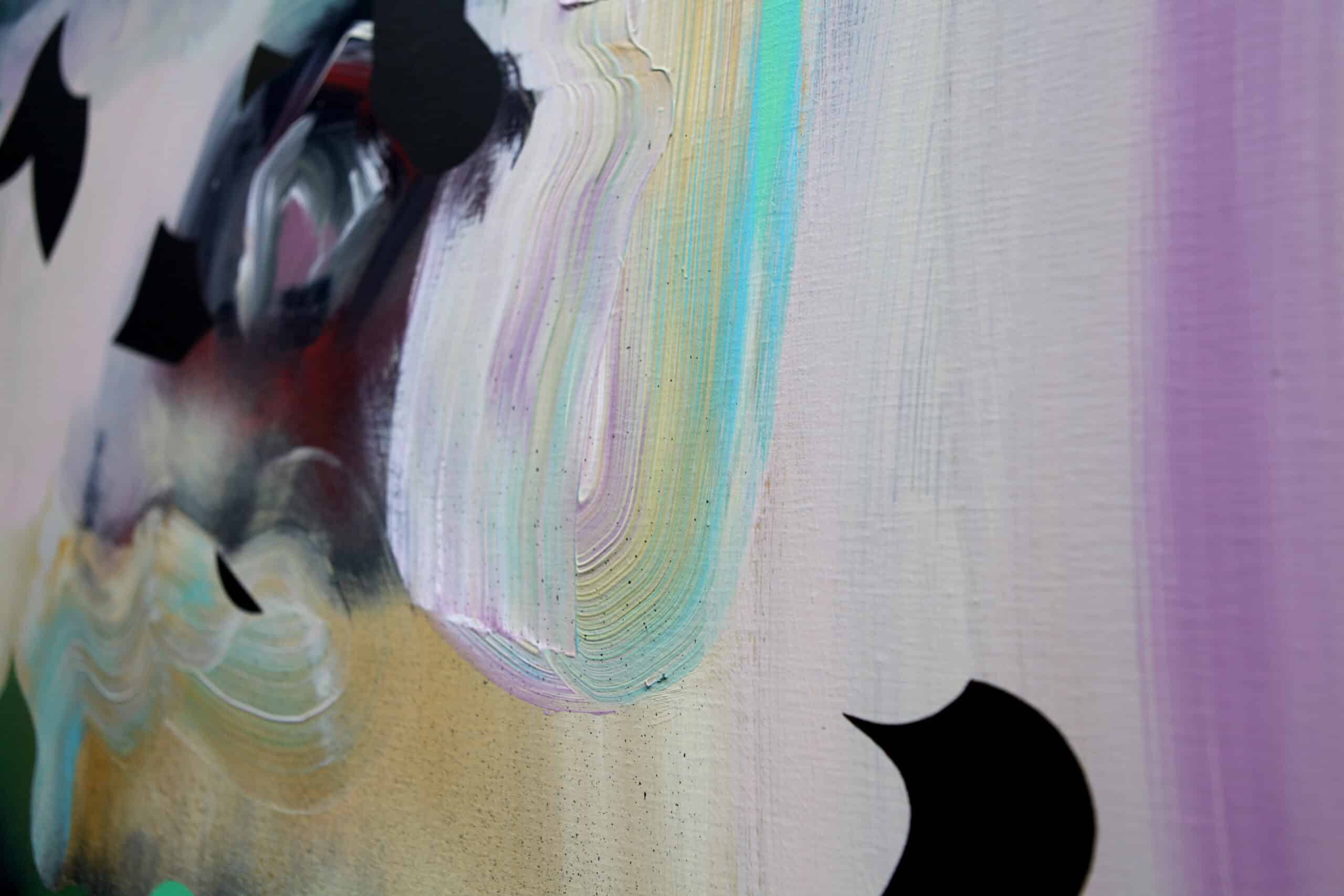
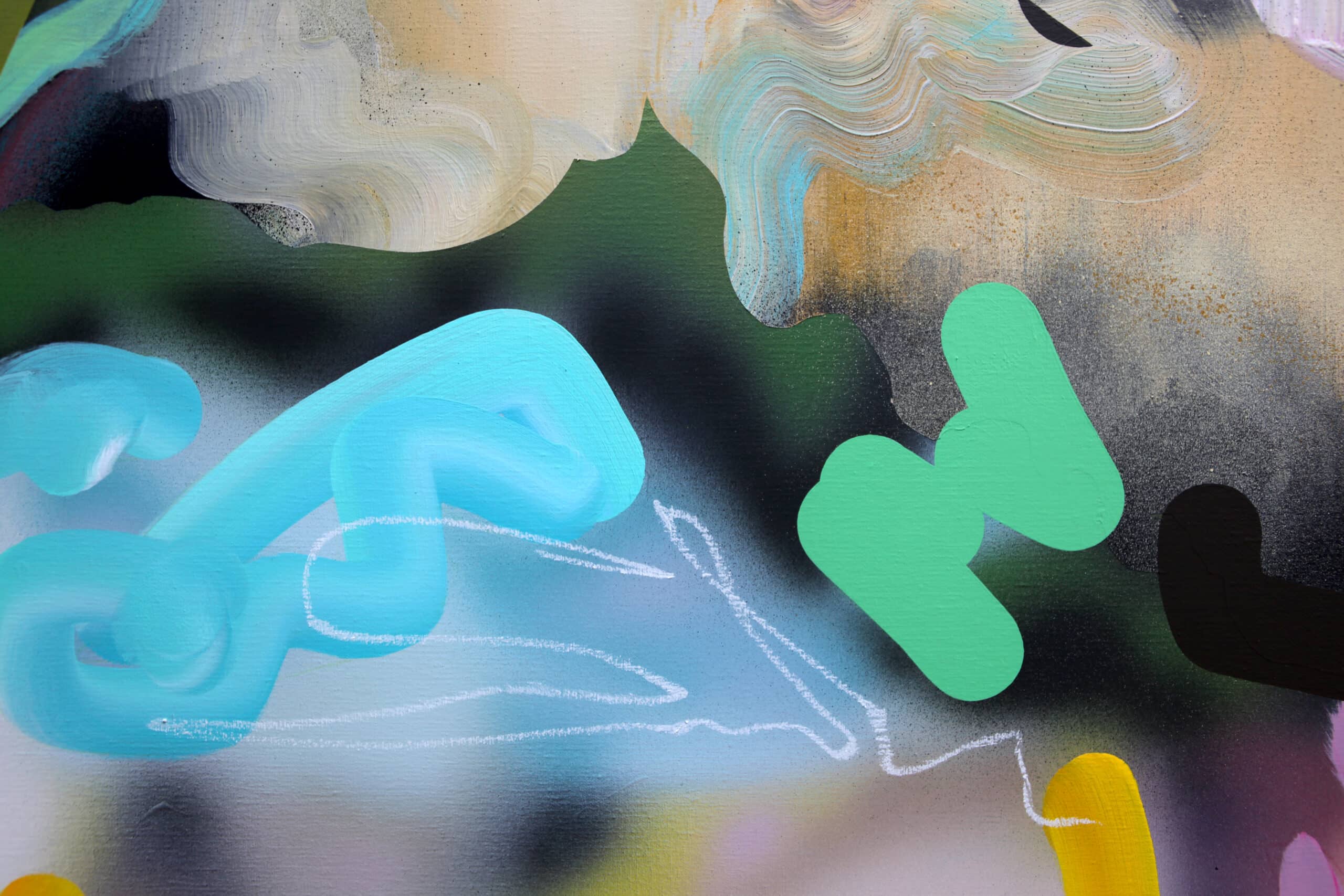
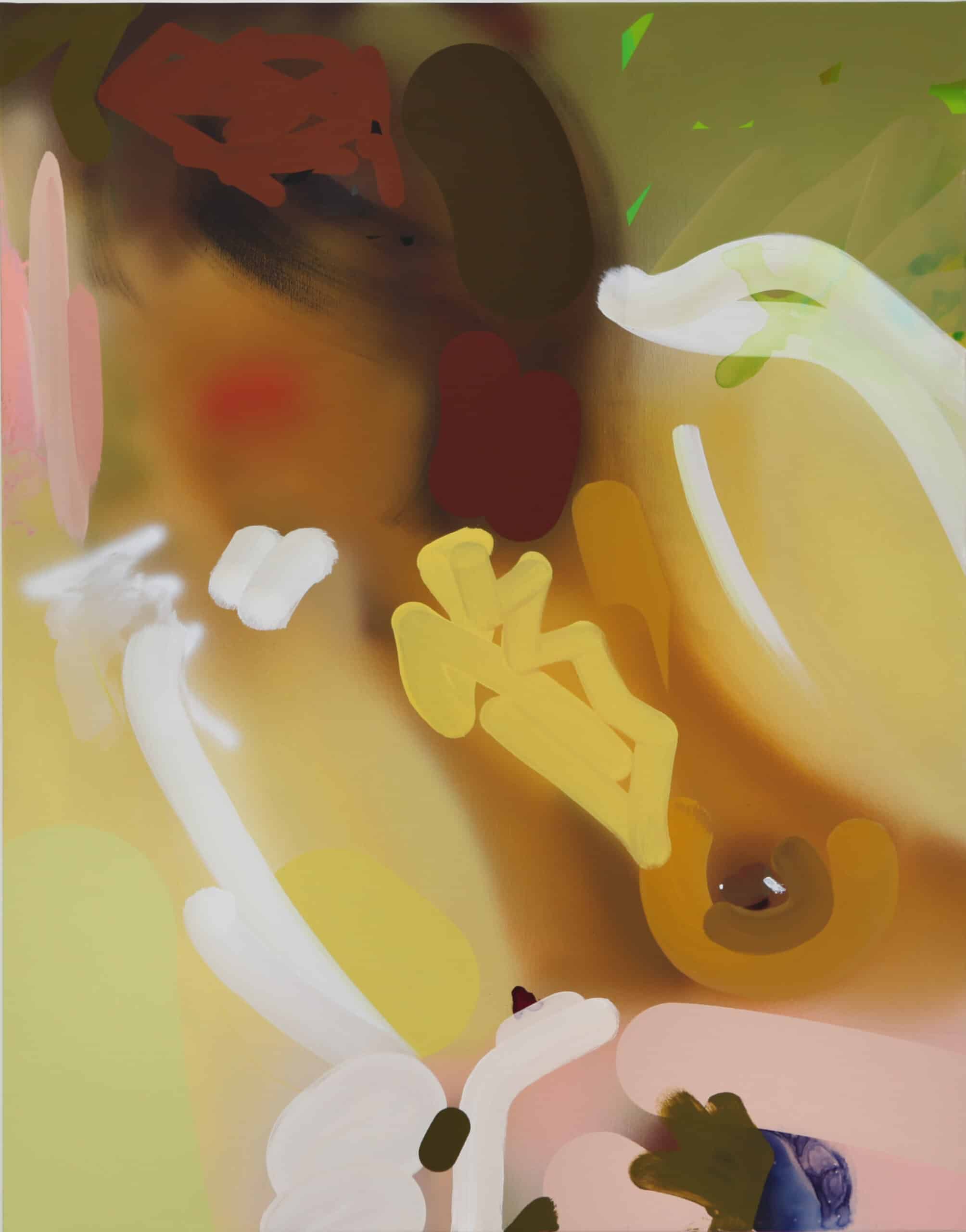
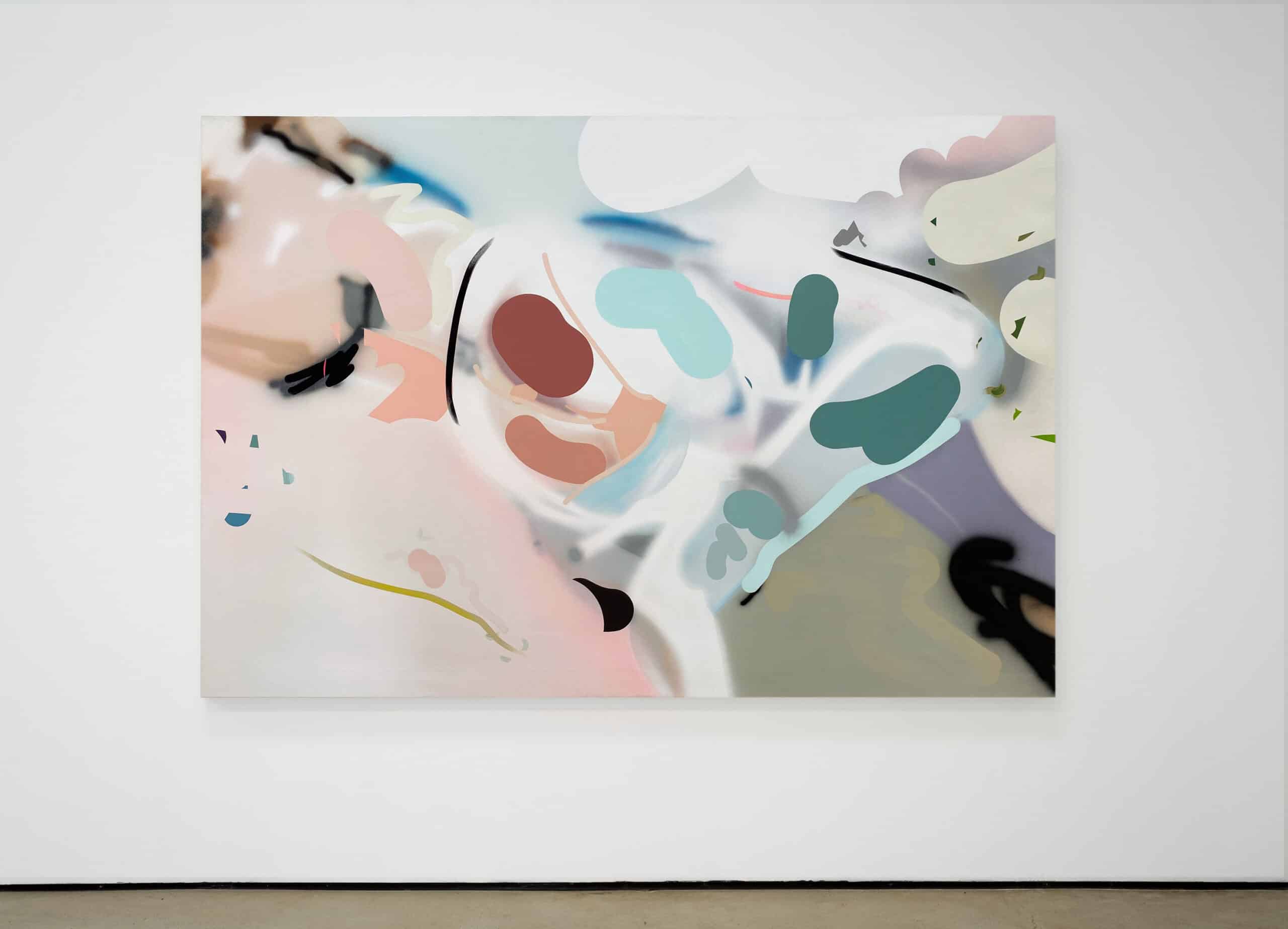
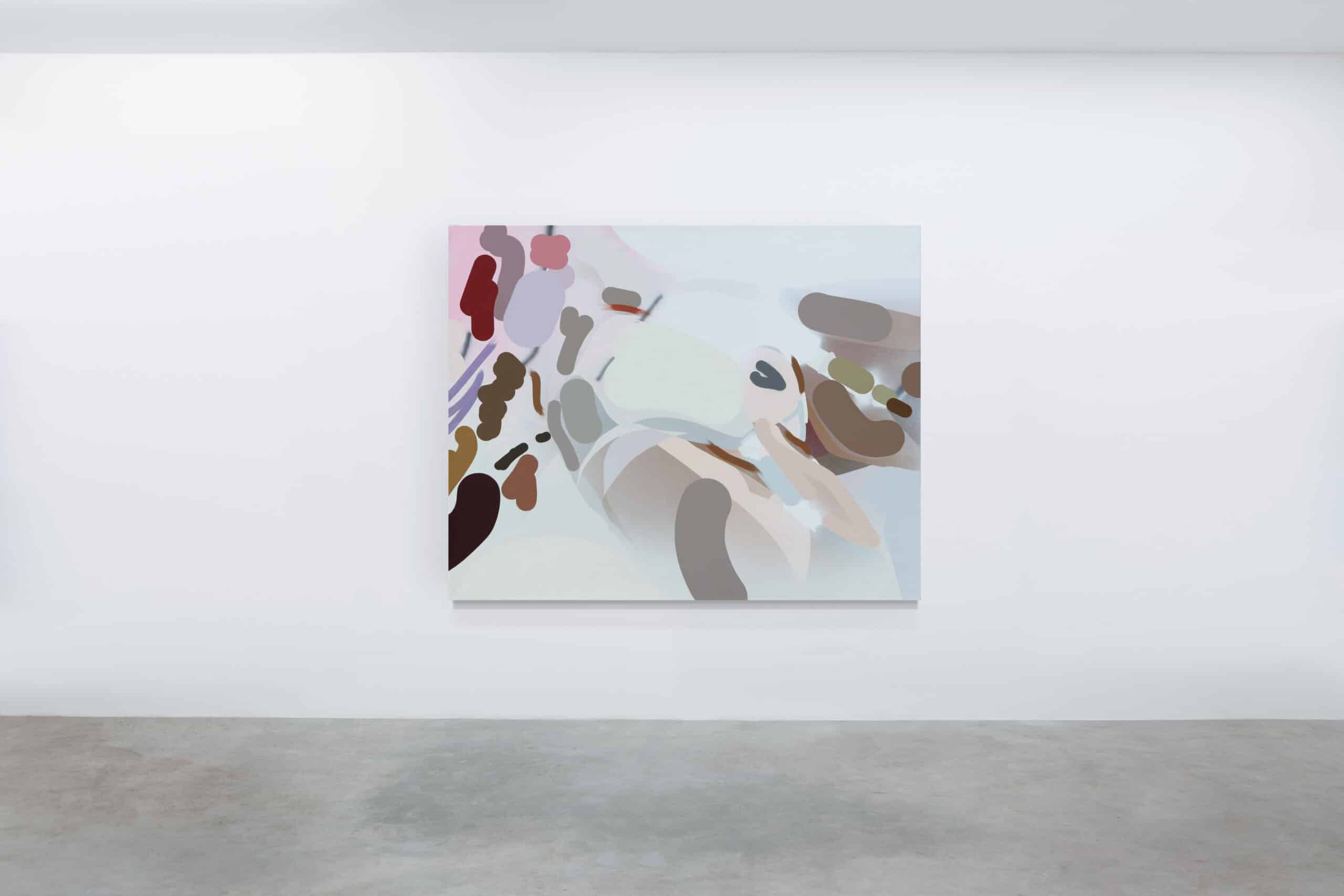
Before Sleeping
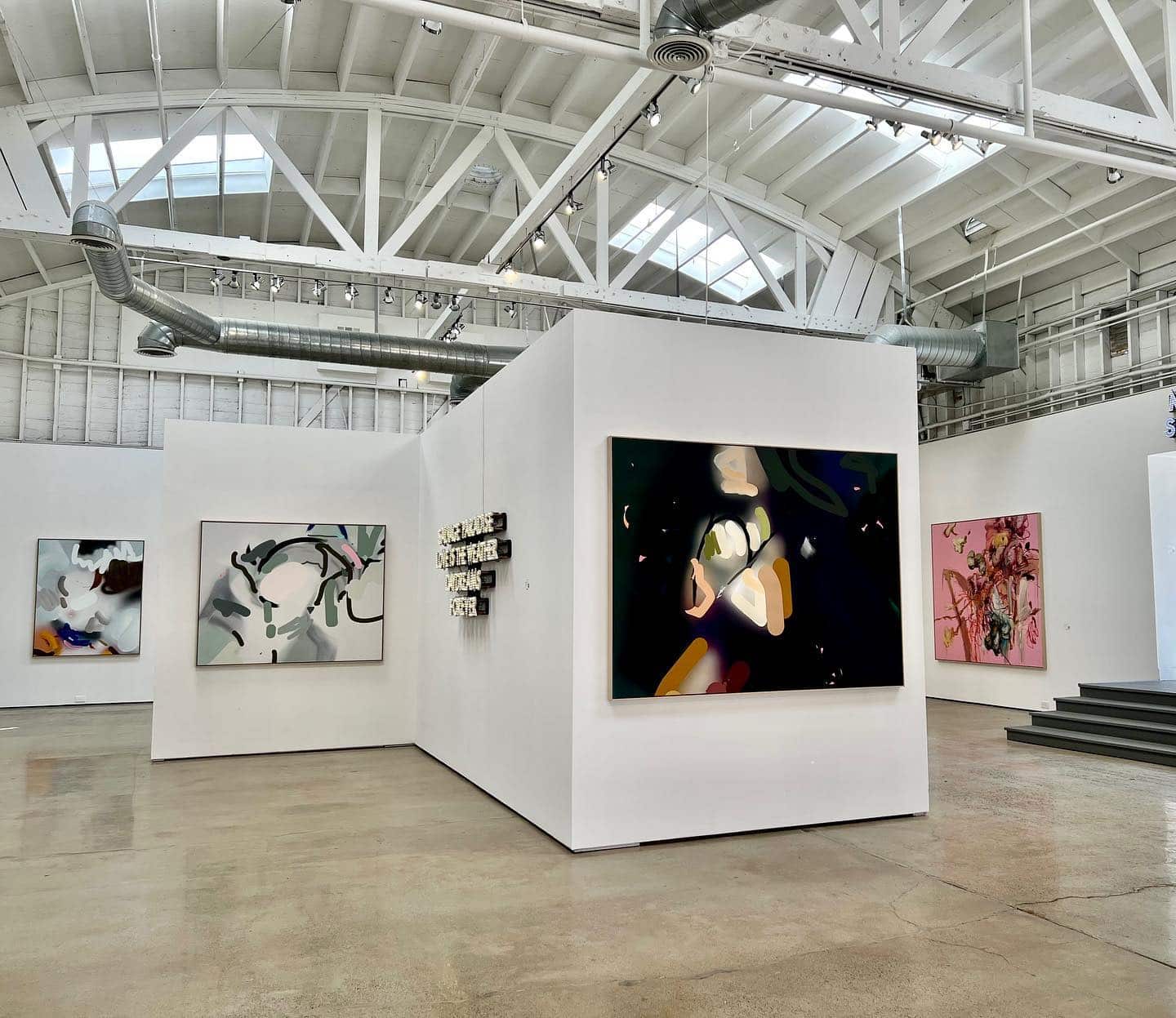
180×250 Madison Gallery Solana Beach USA
21H13
3×2 Acrylic on linen
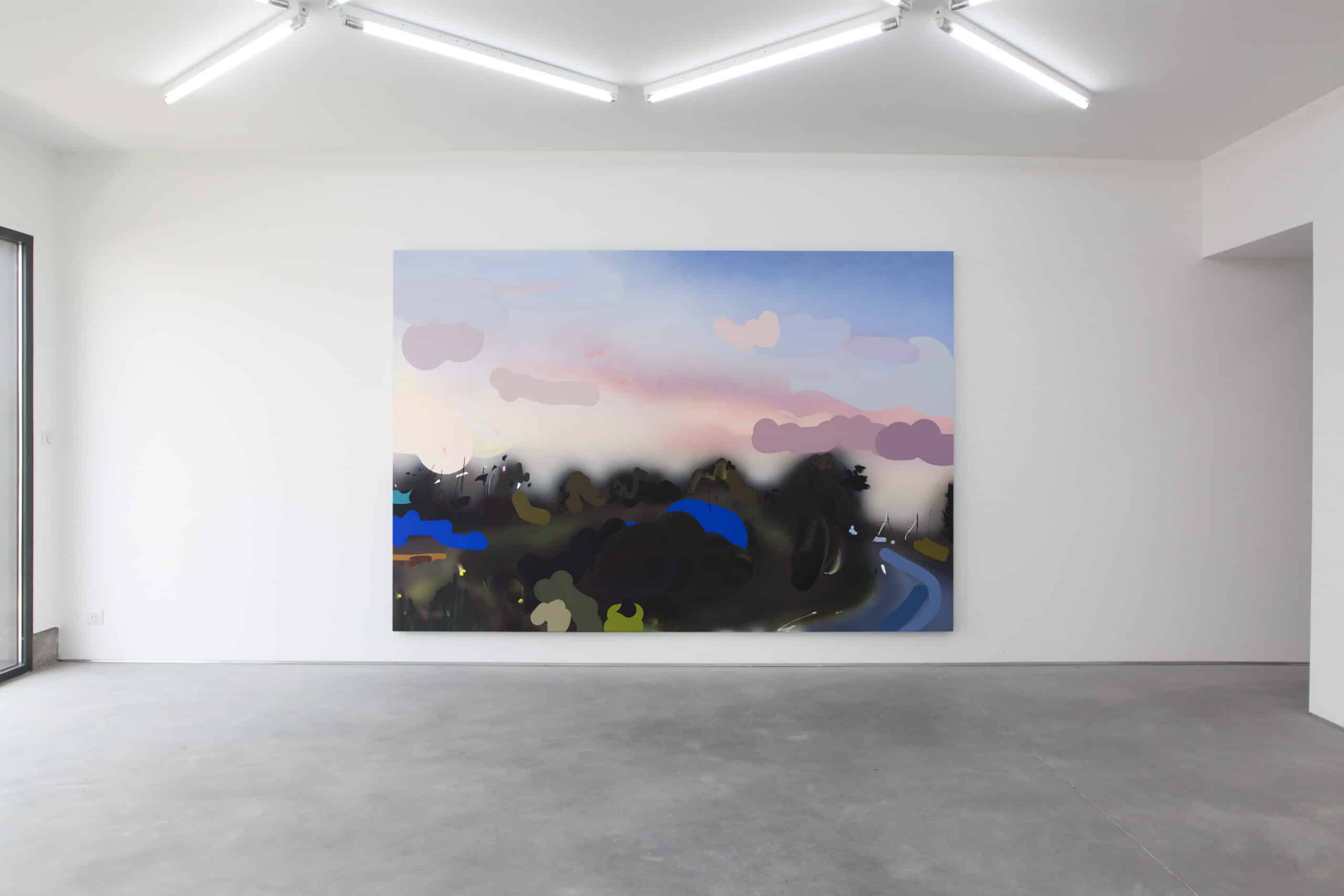
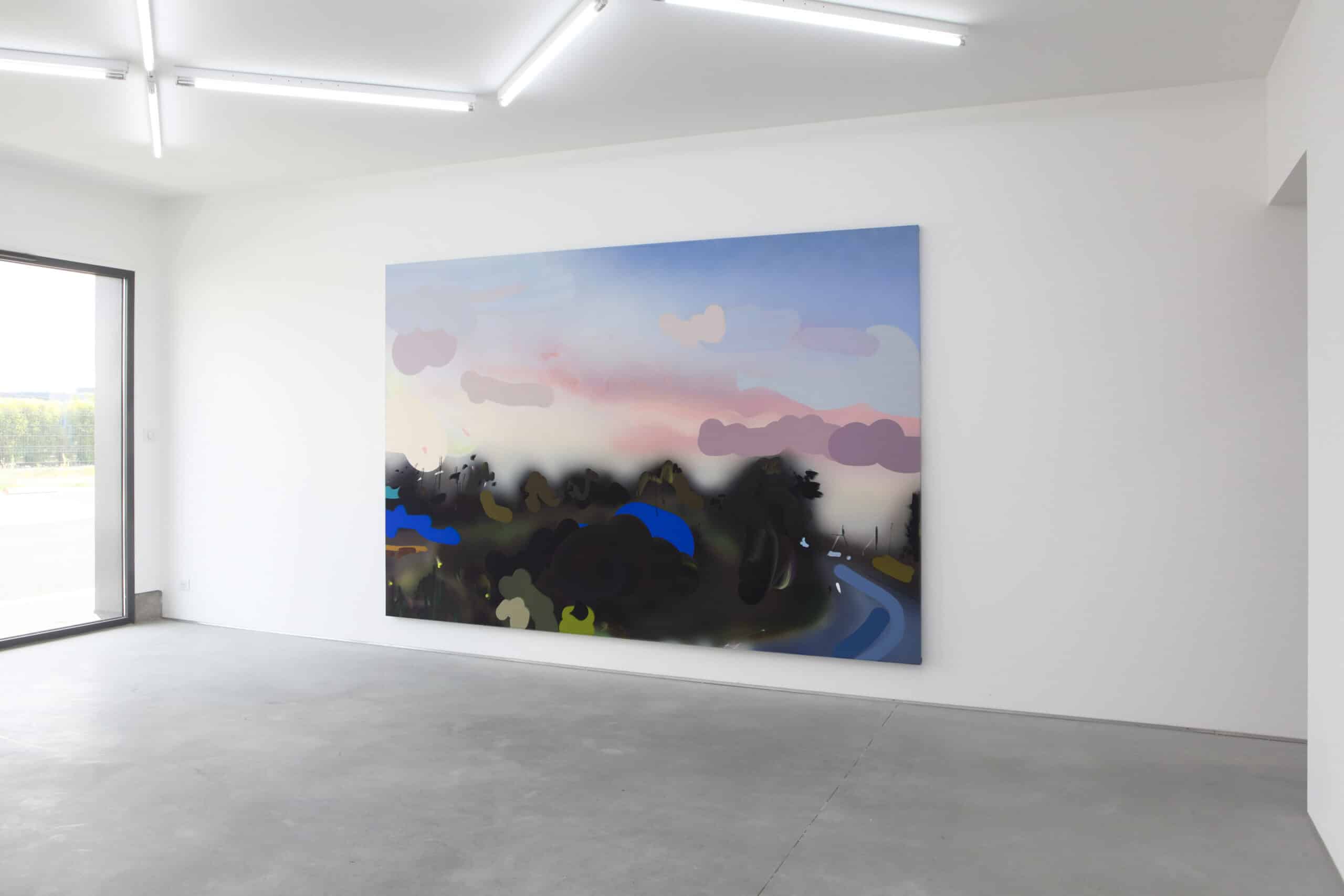
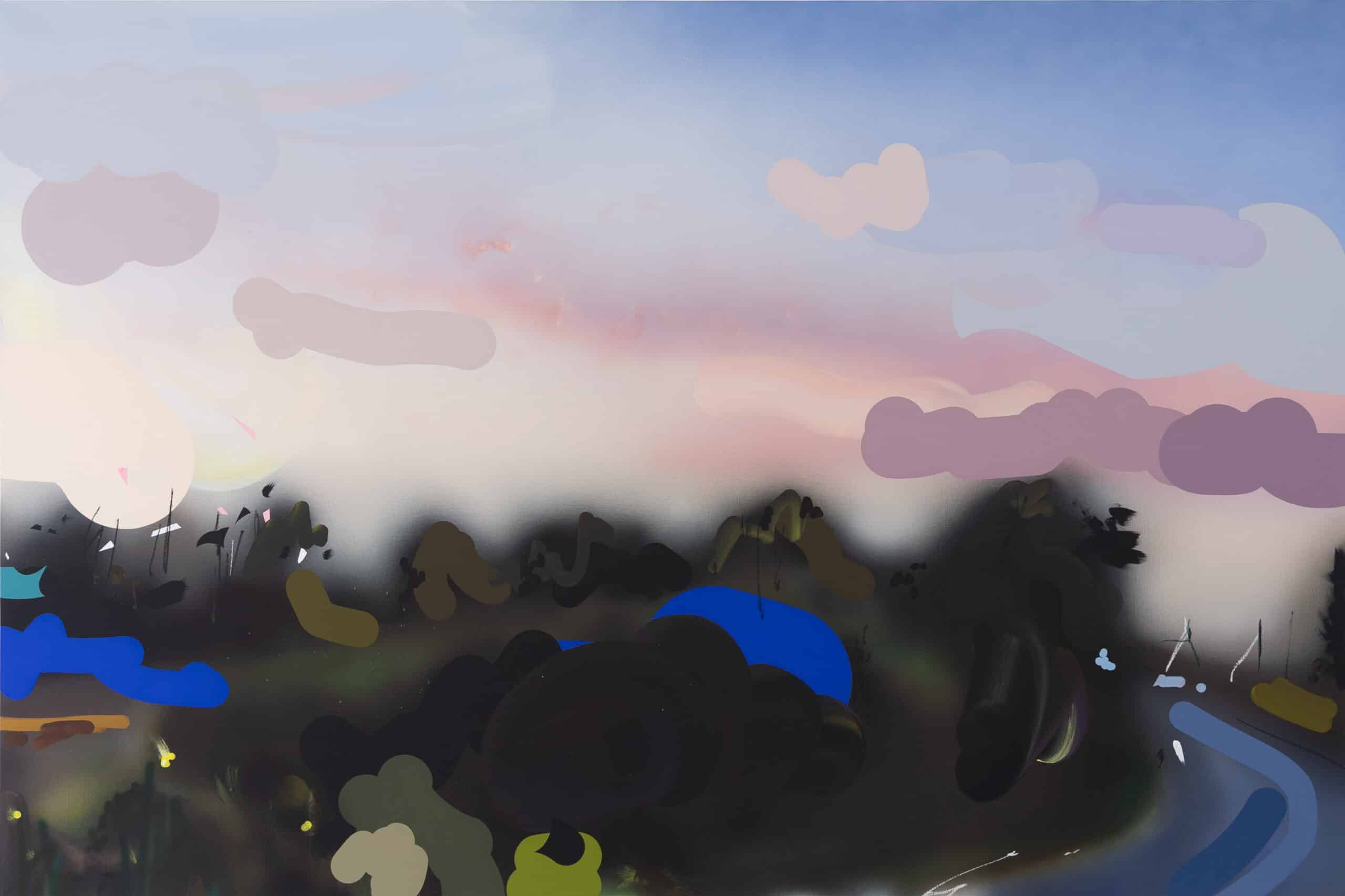
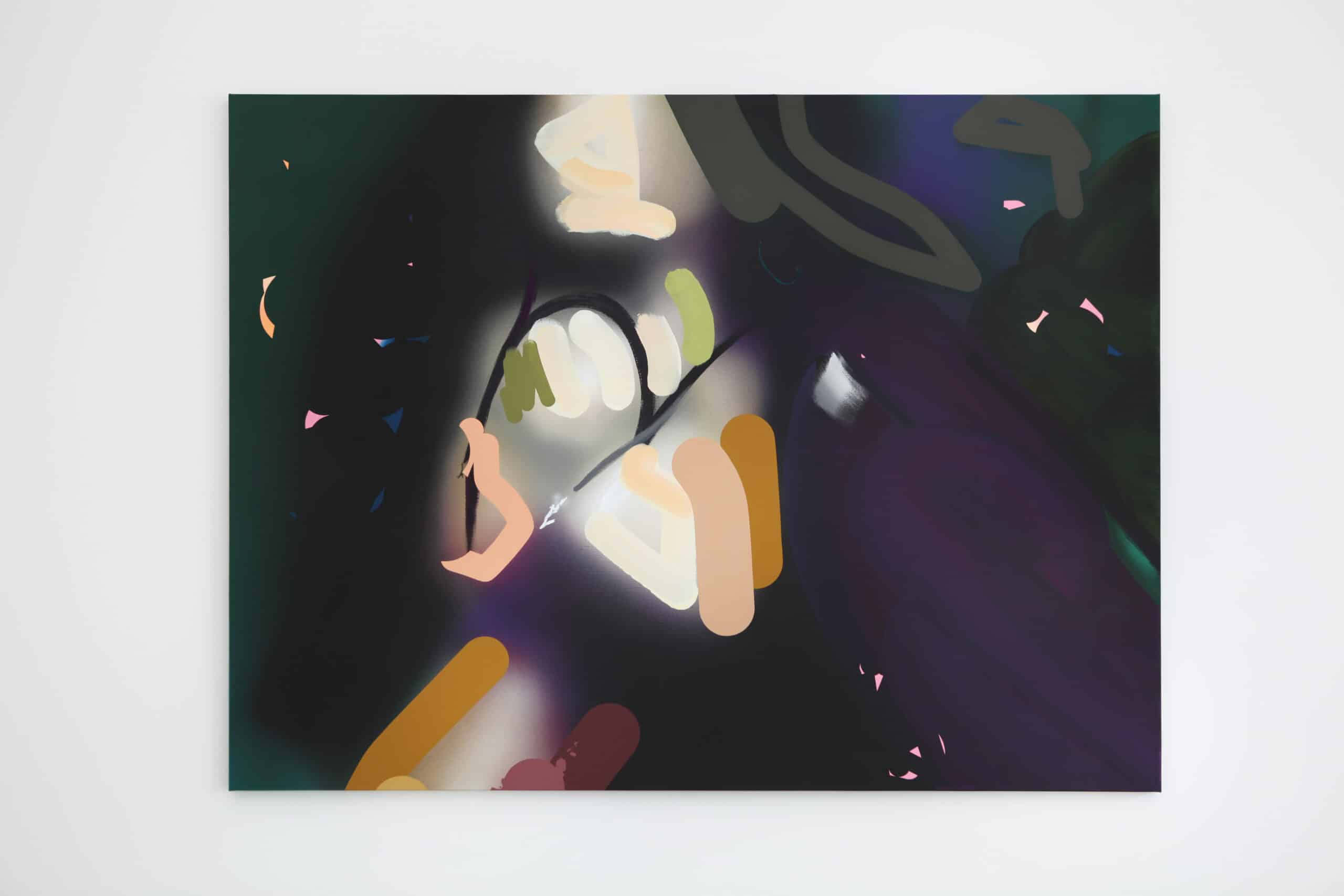
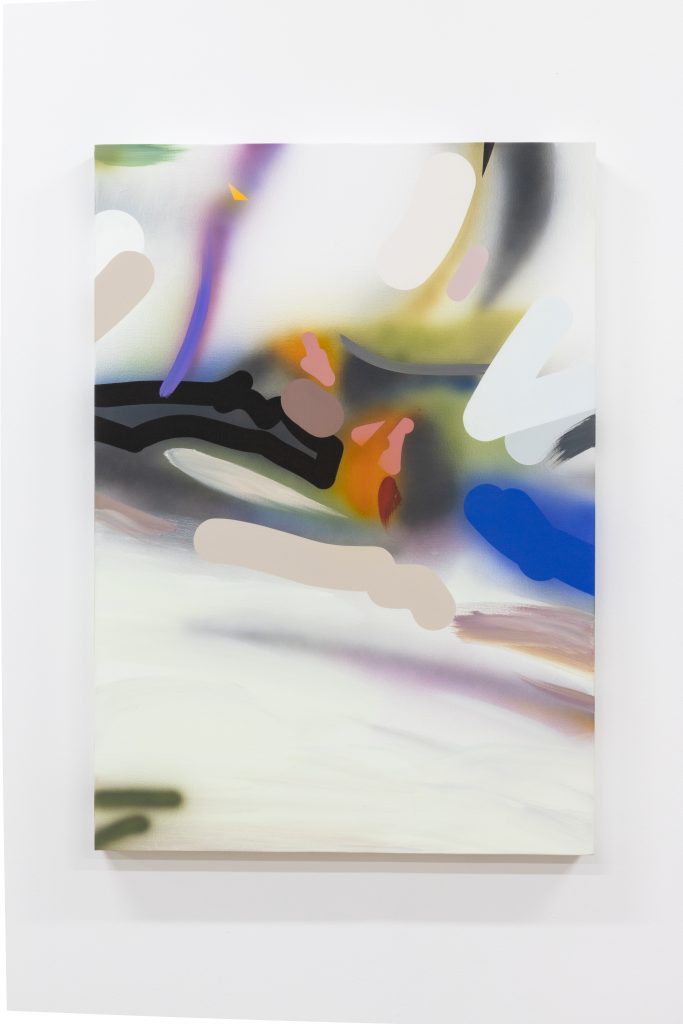
On Our Bed Sheets
acrylic on linen59.1 x 78.7 inches (150 x 200 cm). Madison Gallery USA
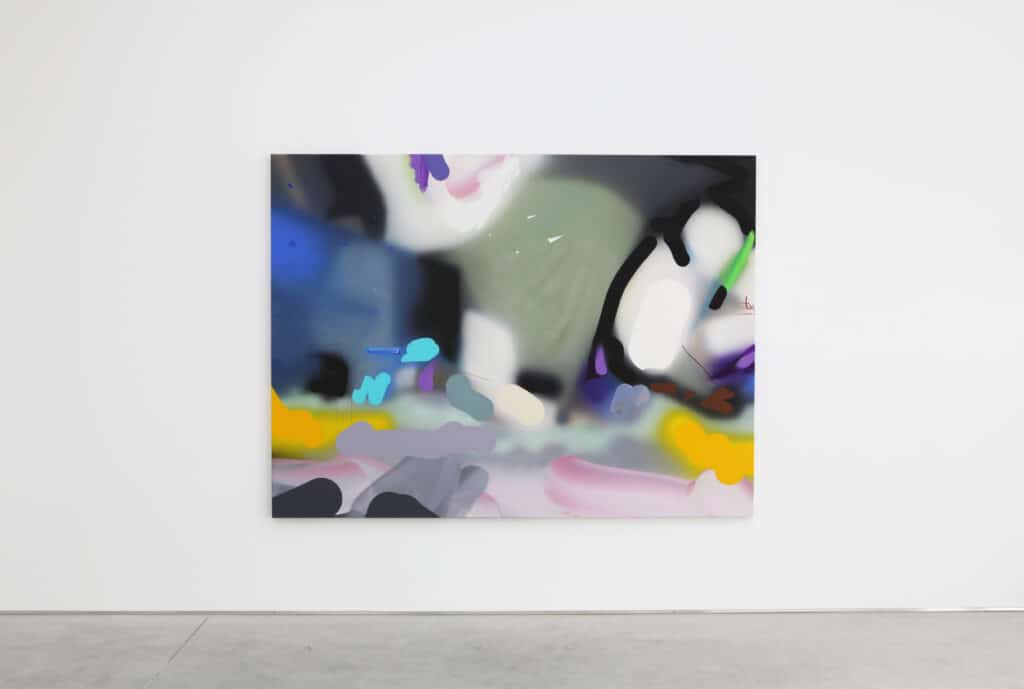
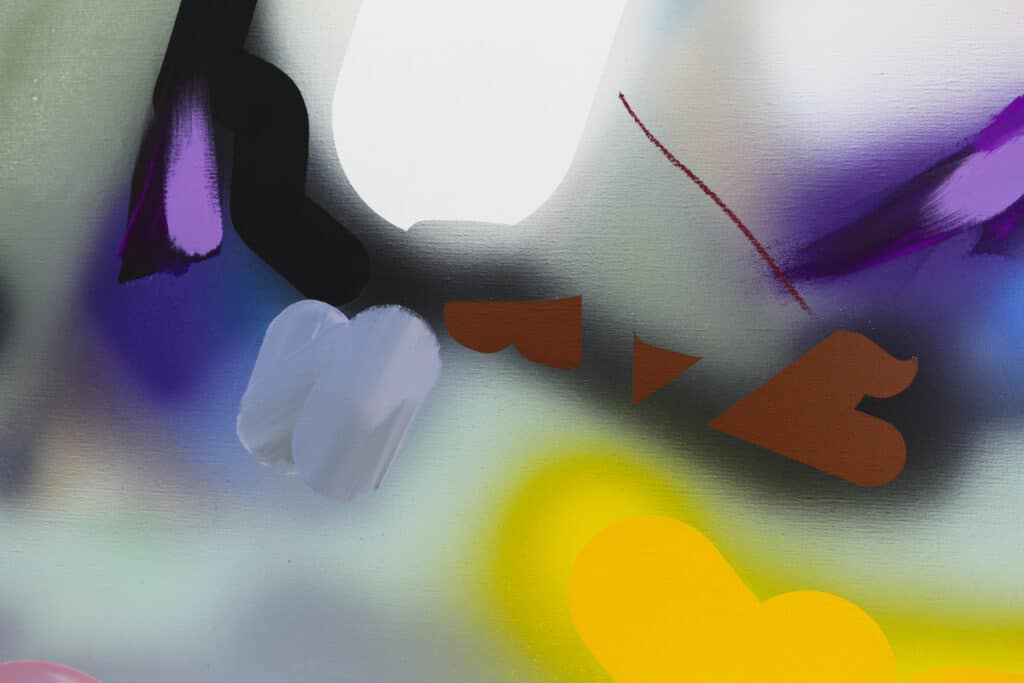
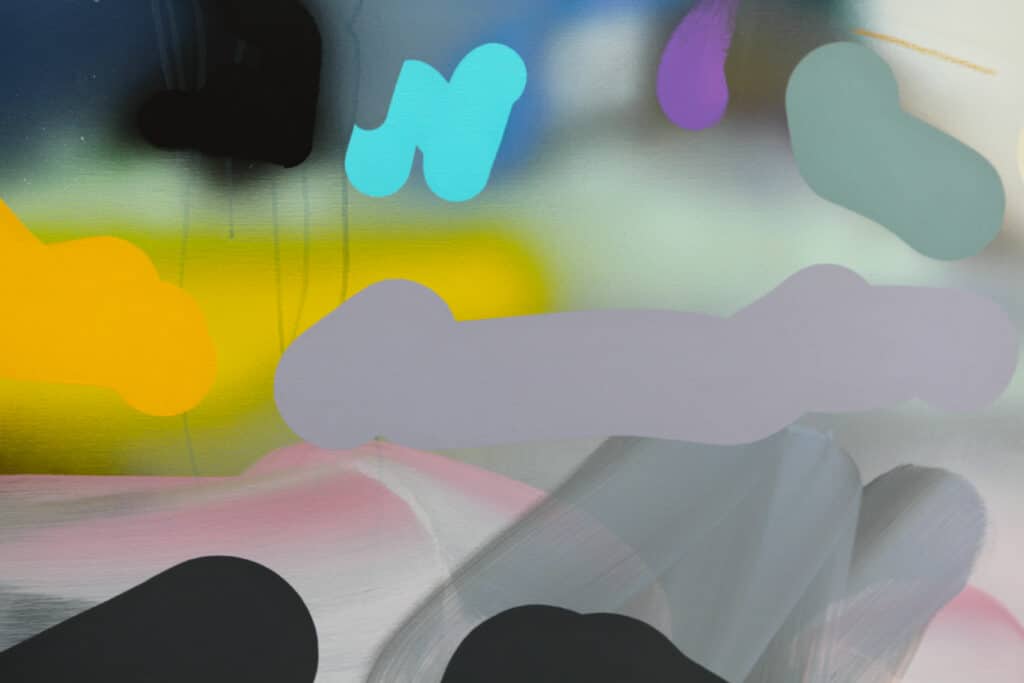
Sensual dreams
Madison Gallery US Solana beach
“Abstraction? Figuration? The two spaces coexist here without ignoring each other with the hope of a possible symbiosis between what the painter and the lover know, what they can say and everything that vibrates beyond exhausted words. Because the image freezes within the limits of the form. However, time has told us, love is a dance where the fluidity of each new movement calls for possibilities, suggestion and resonances of the eternal.” – Cédrix Crespel
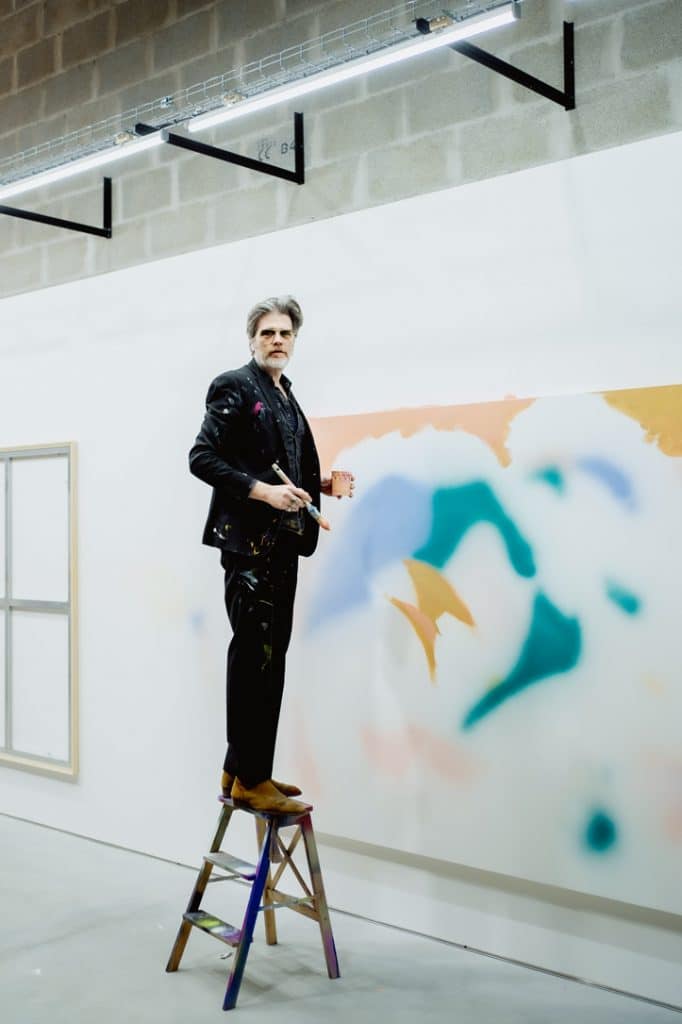
Cédrix Crespel is an artist who symbolizes a generation open to its era culture. He examines the representation of one woman. In the middle of the 90s, aware of the need for artists to lay down roots in their culture, he soon abandoned academic drawing, renounced pencils and lines, inventing a figurative form of expression. His painting is a sensual odyssey an adaptation of images of independent and passionate women who defy roles that society wants to give them. He teaches us, whether we like it or not, to get rid of our certainties to enter a universe where his women love to be coveted in this way. From the tension in desire to the obsessions haunting him, Cédrix Crespel implies the sexual and sensual, and the reverse. For four years now, it is no longer a question of painting the muse but of showing the couple in a relationship to absolute love.
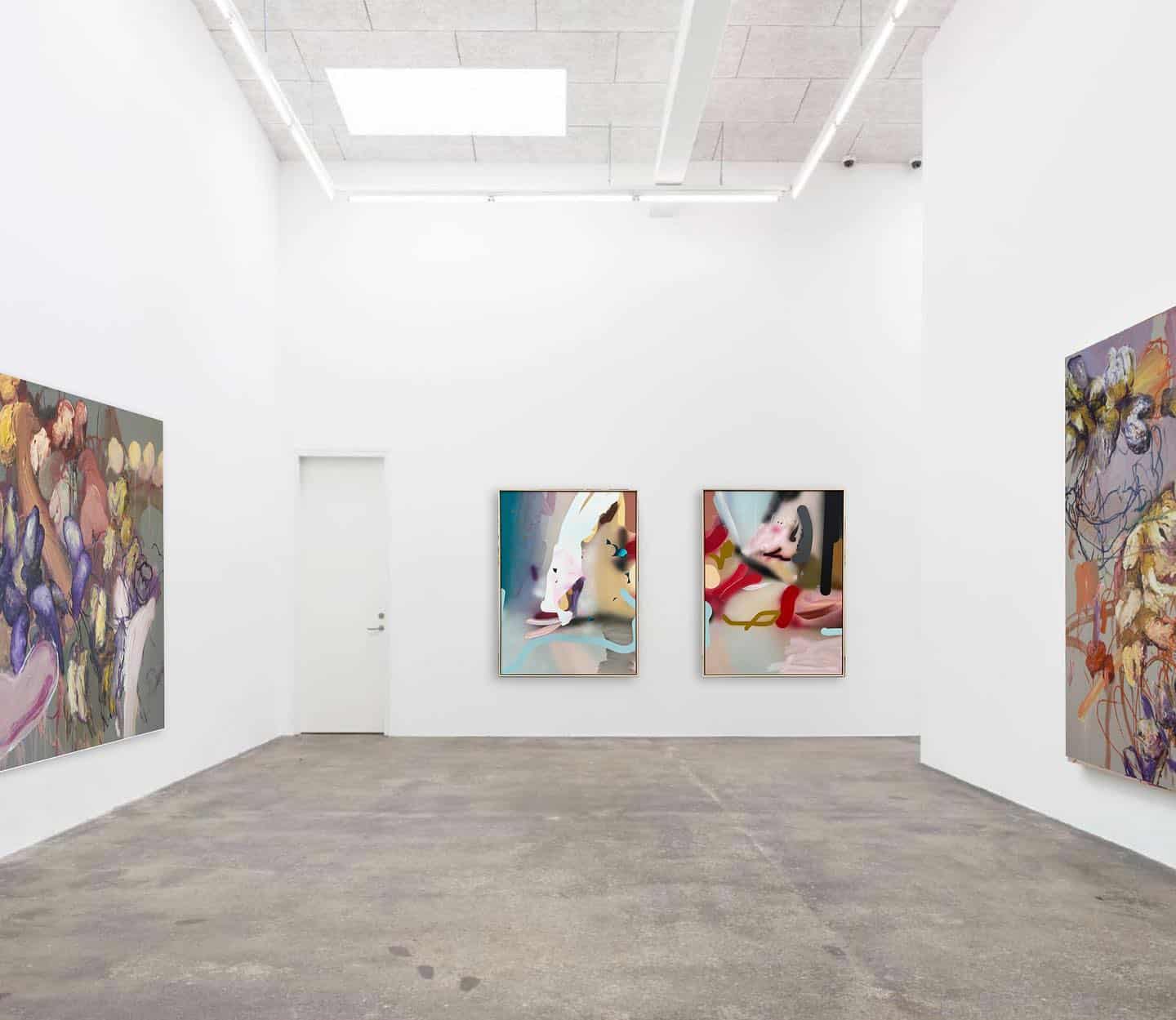
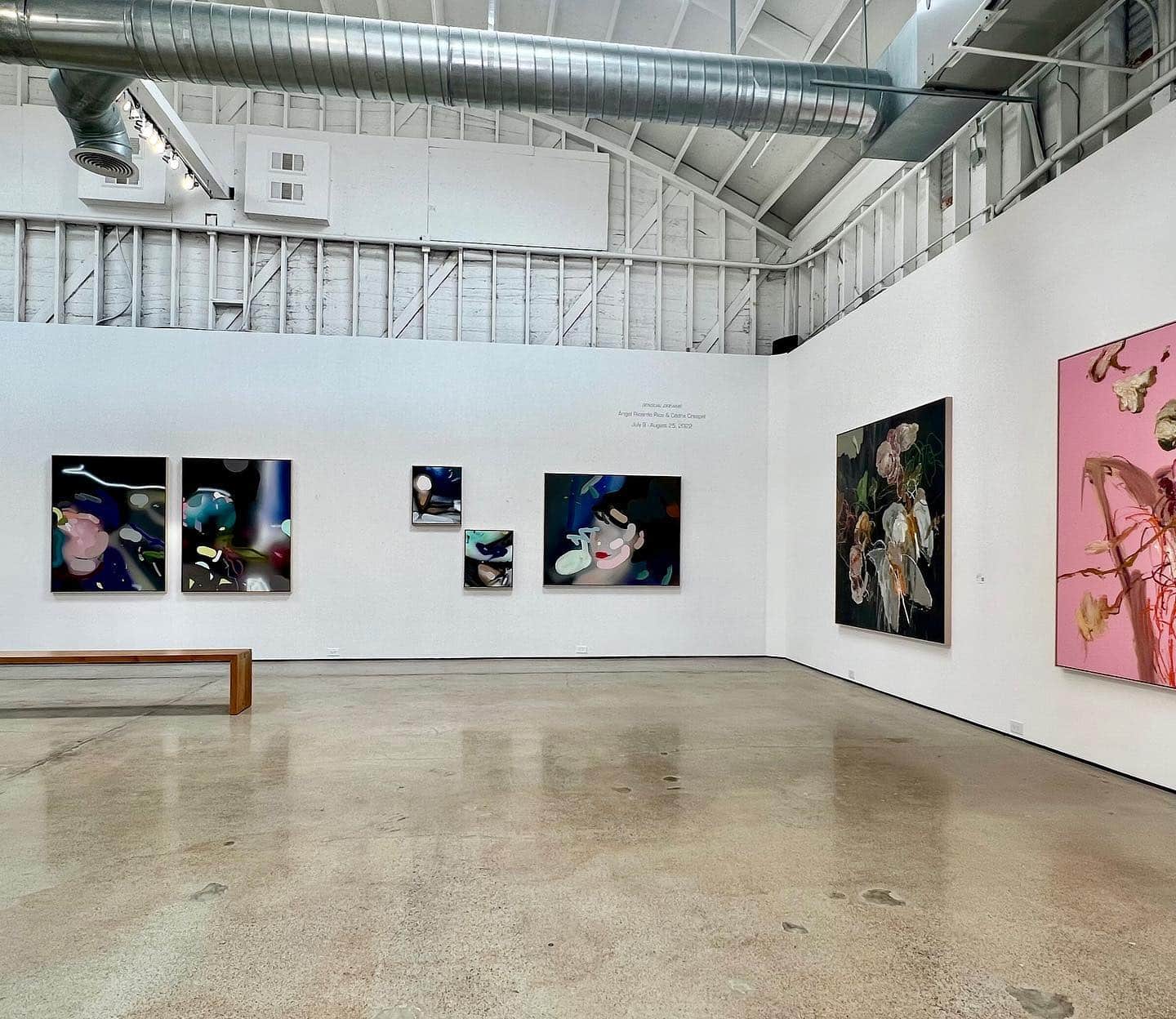
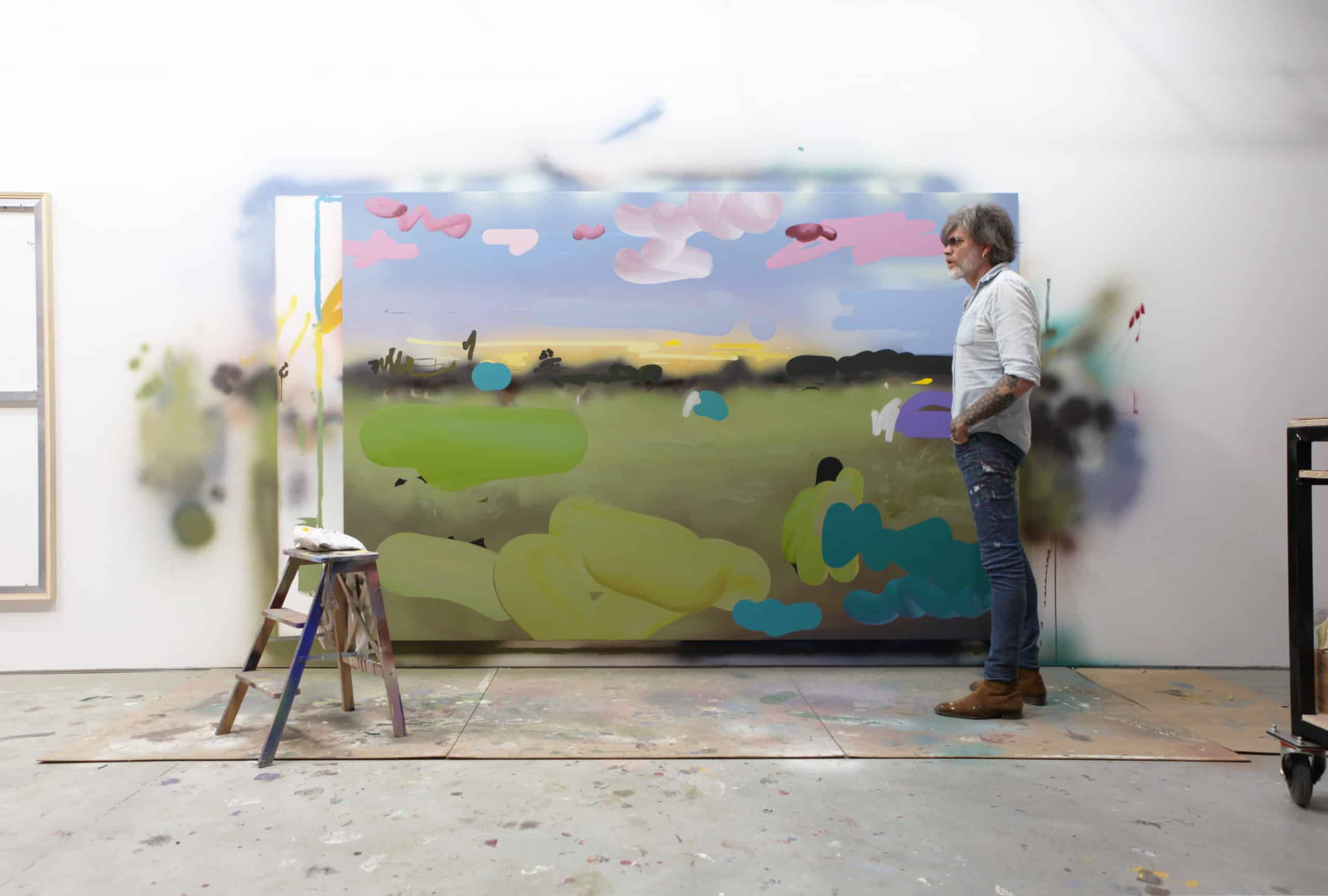
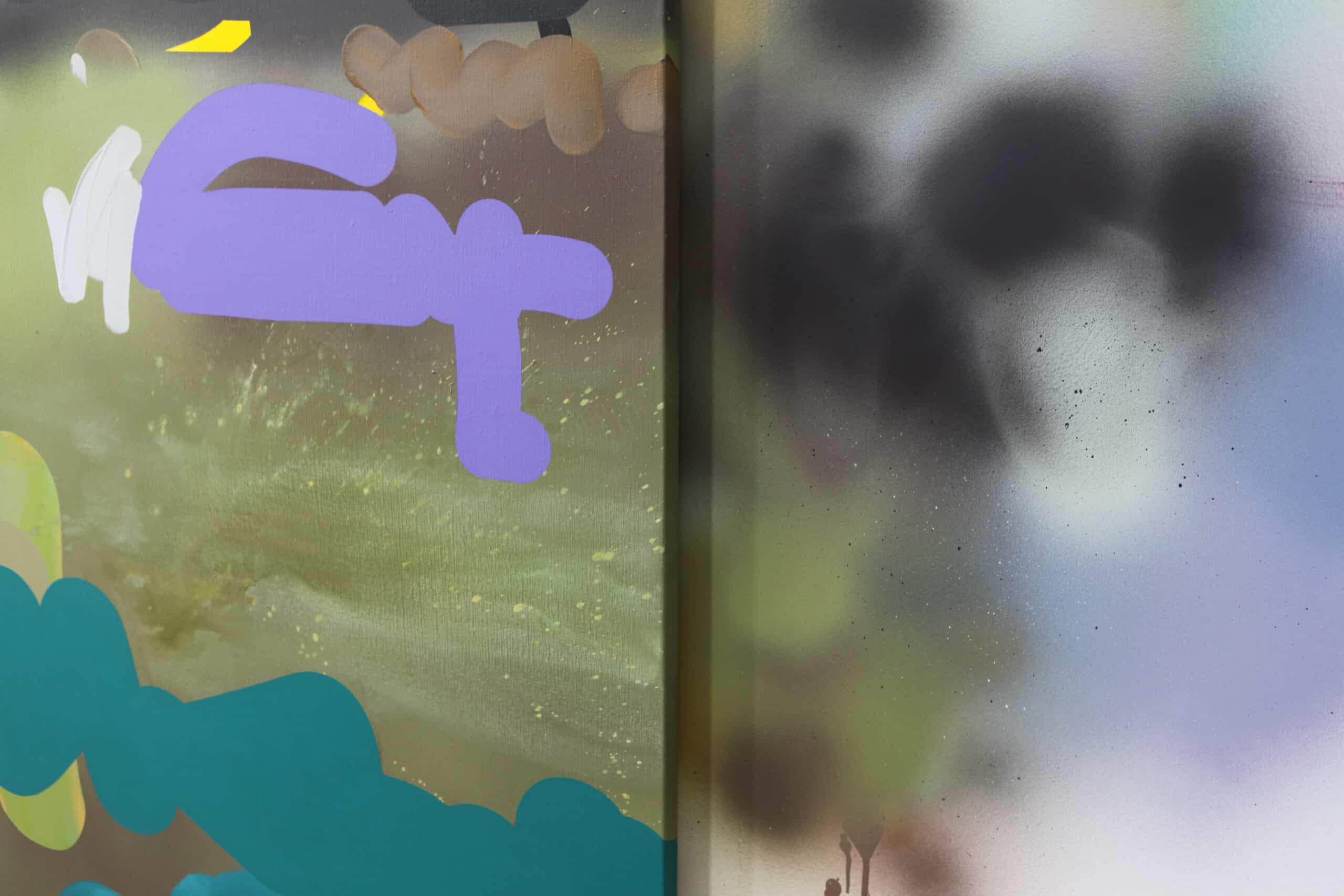
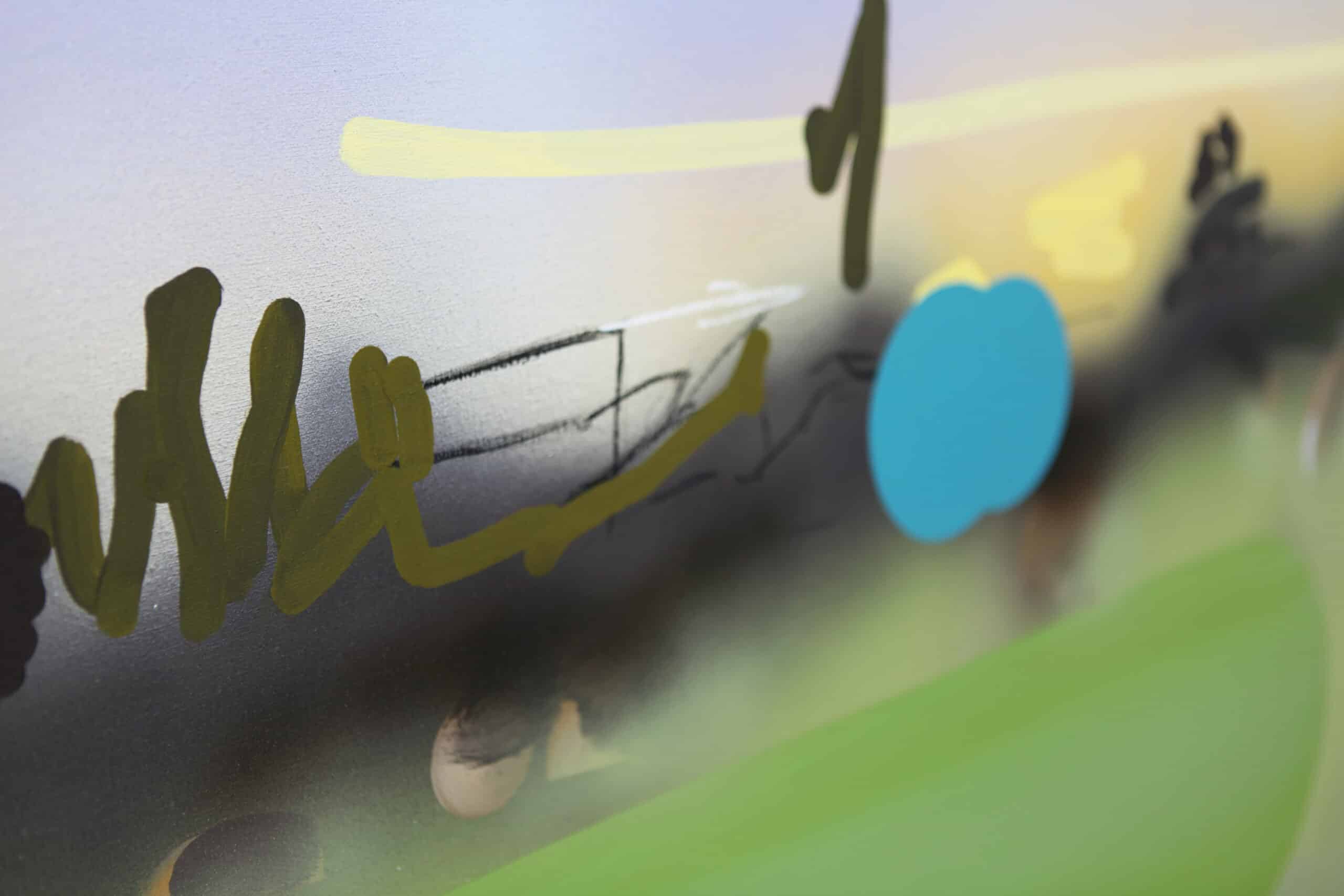
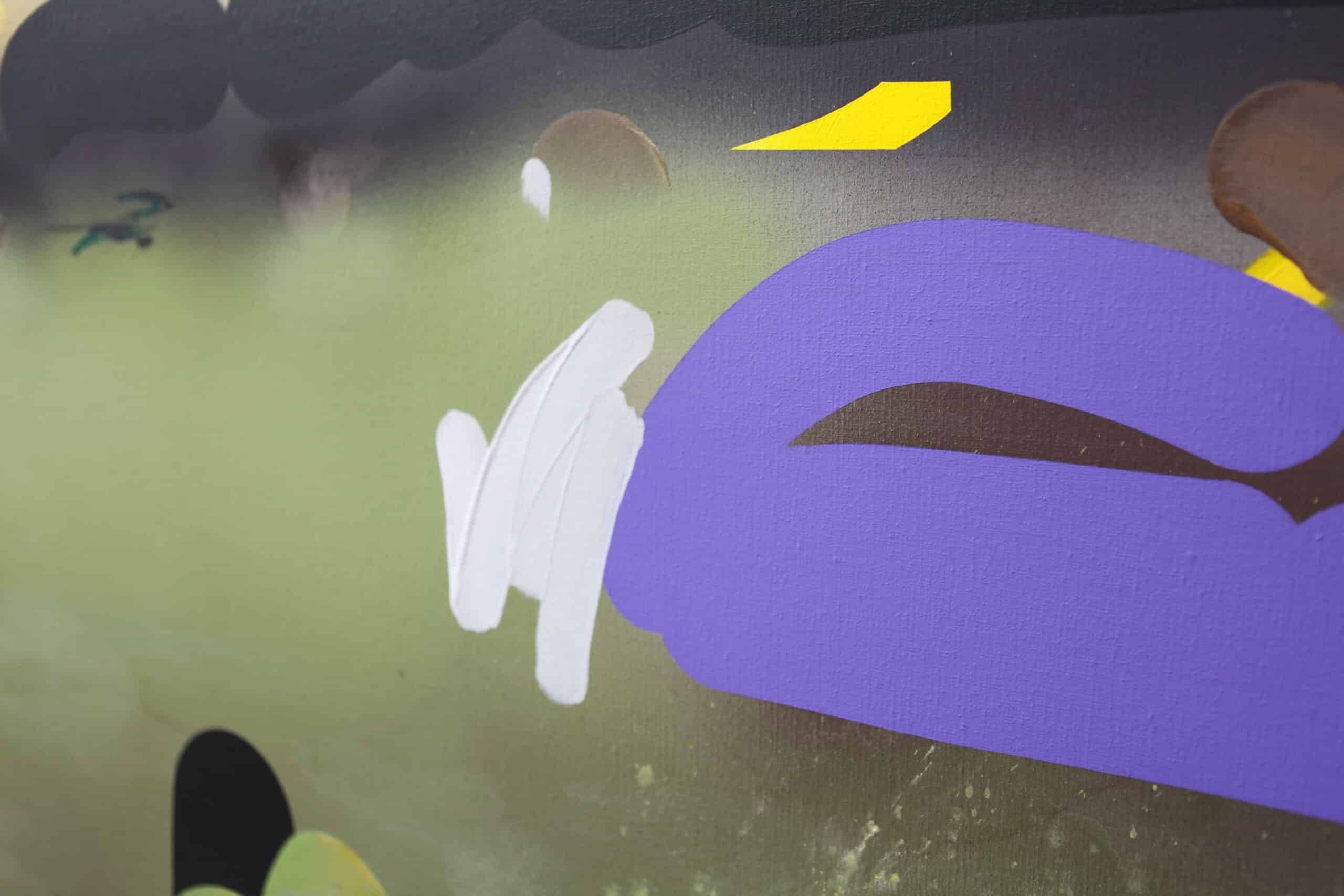
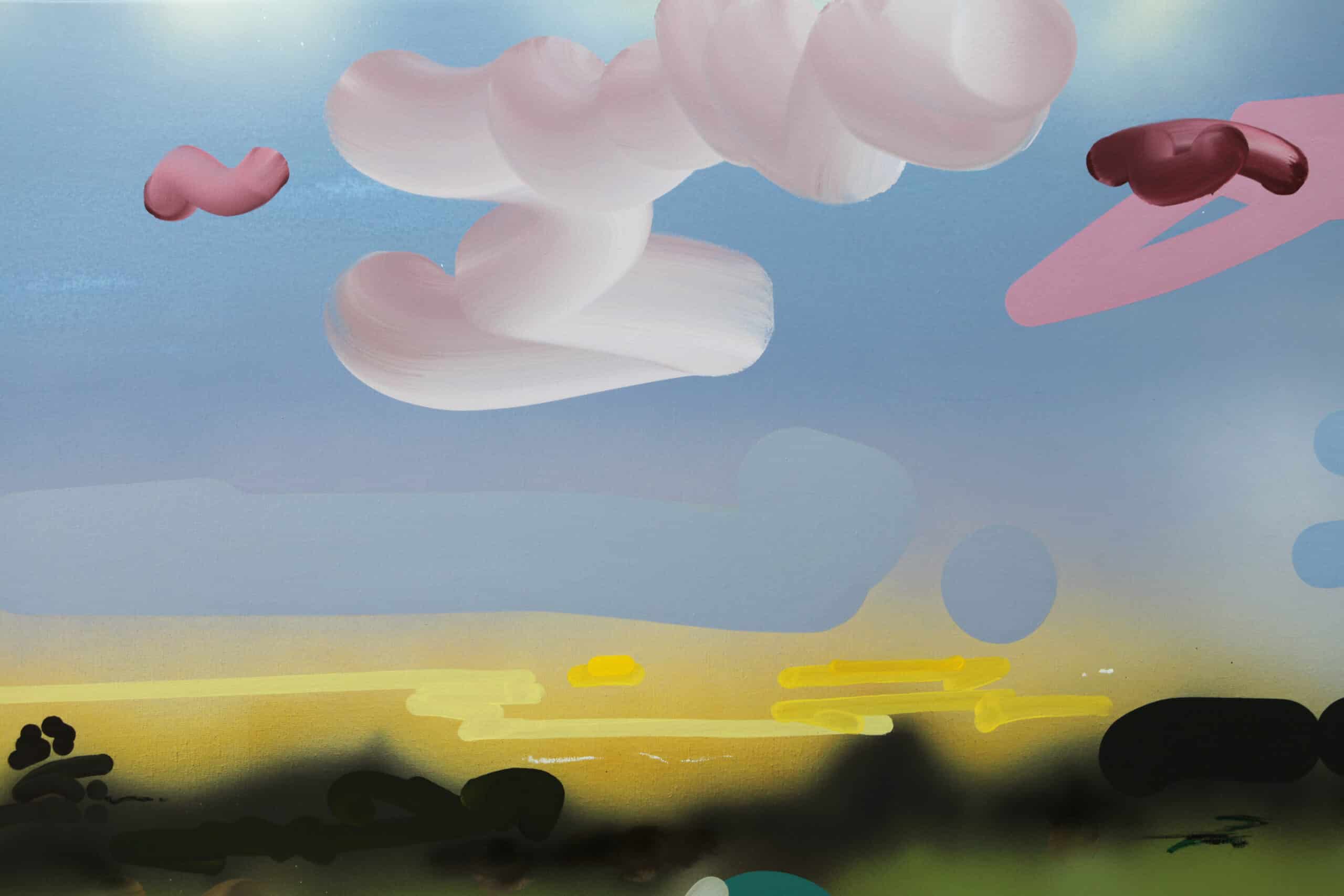
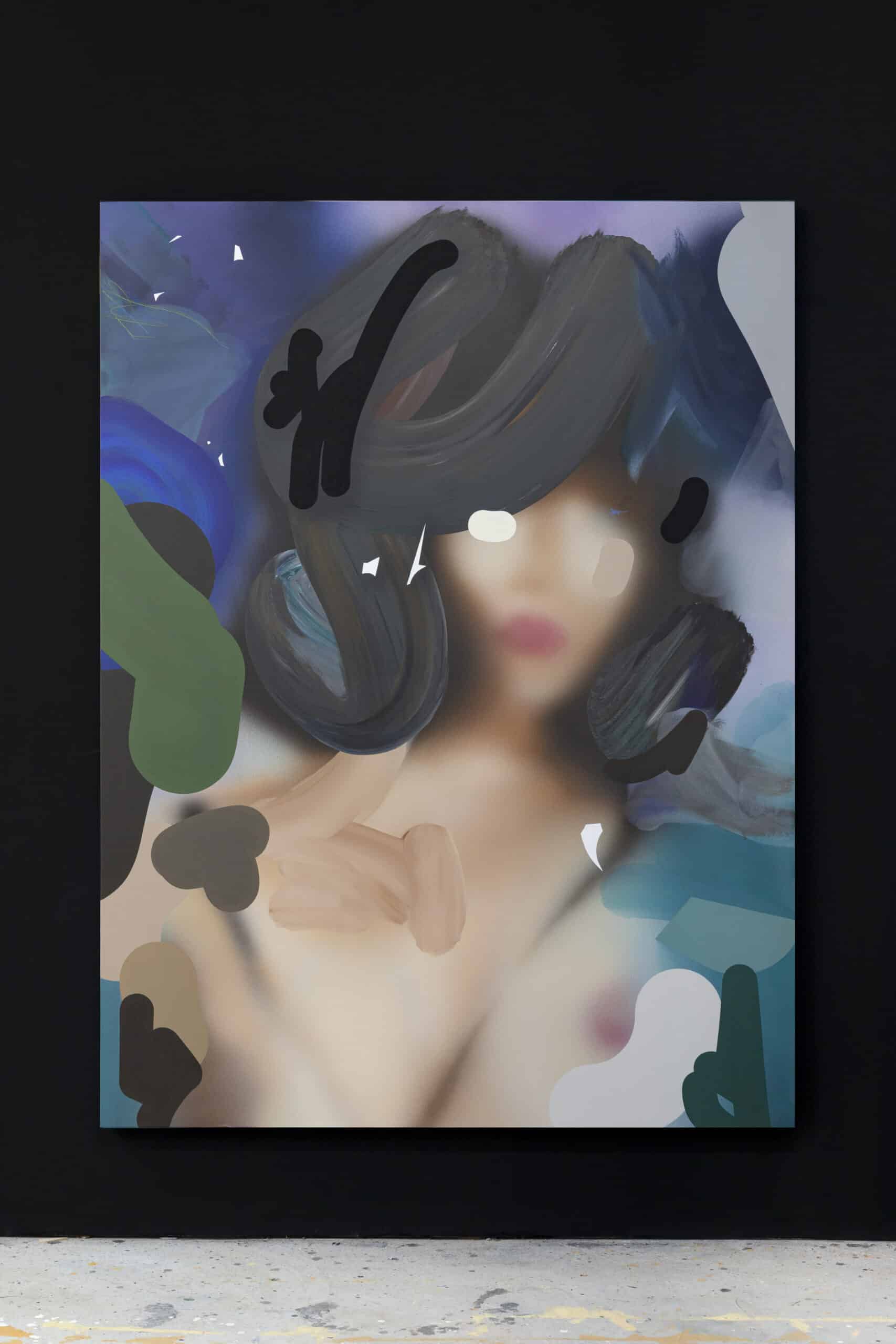
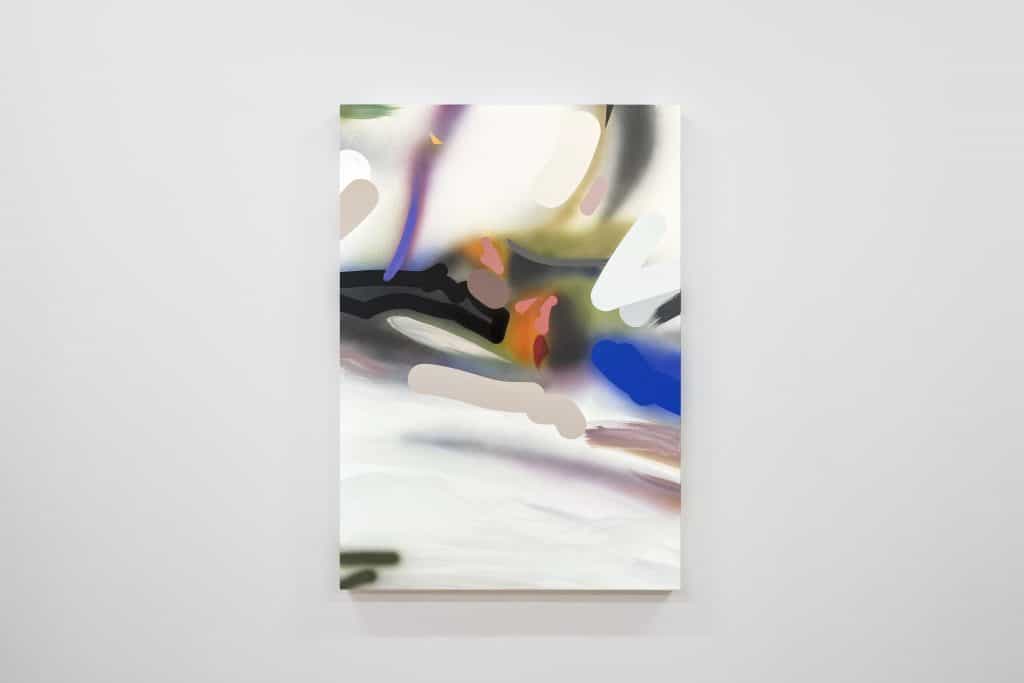
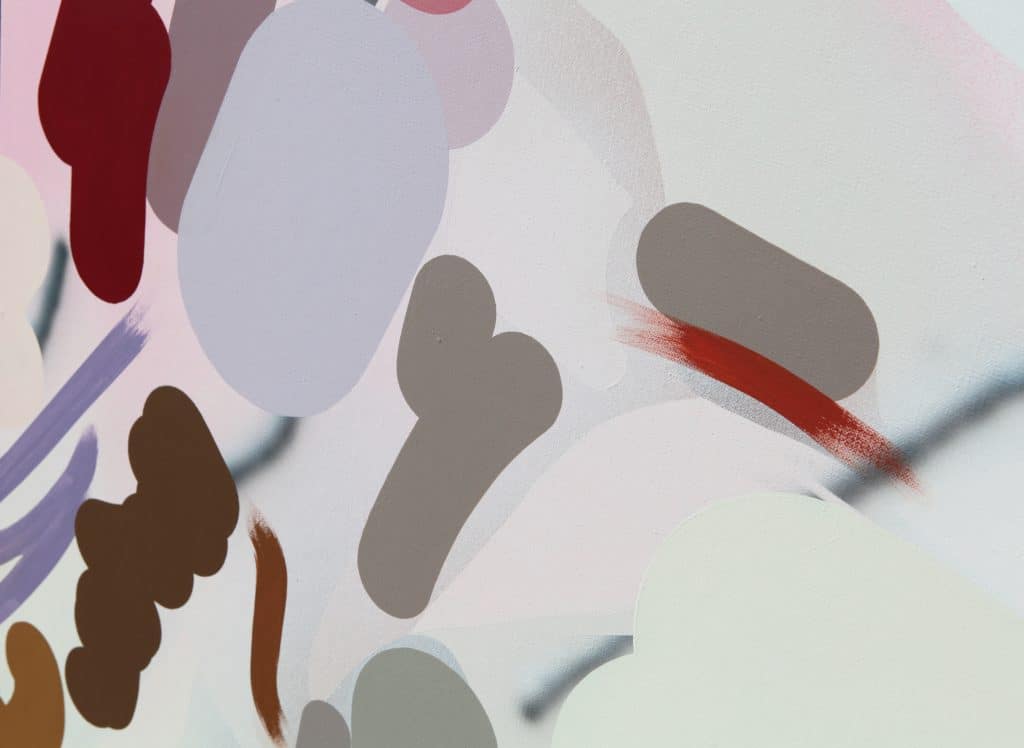
“The blur, the background, the underside is the subject. It fixes Her image. From a distance, on the surface, I apply what represents me with my historic practice. By these two techniques I create a depth of field comparable to photography.
The distance between these two layers is precisely what I focus on, what I seek to paint. a ‘3rd entity’ ‘the link that connects us’, the unpaintable, the unrepresentable.”
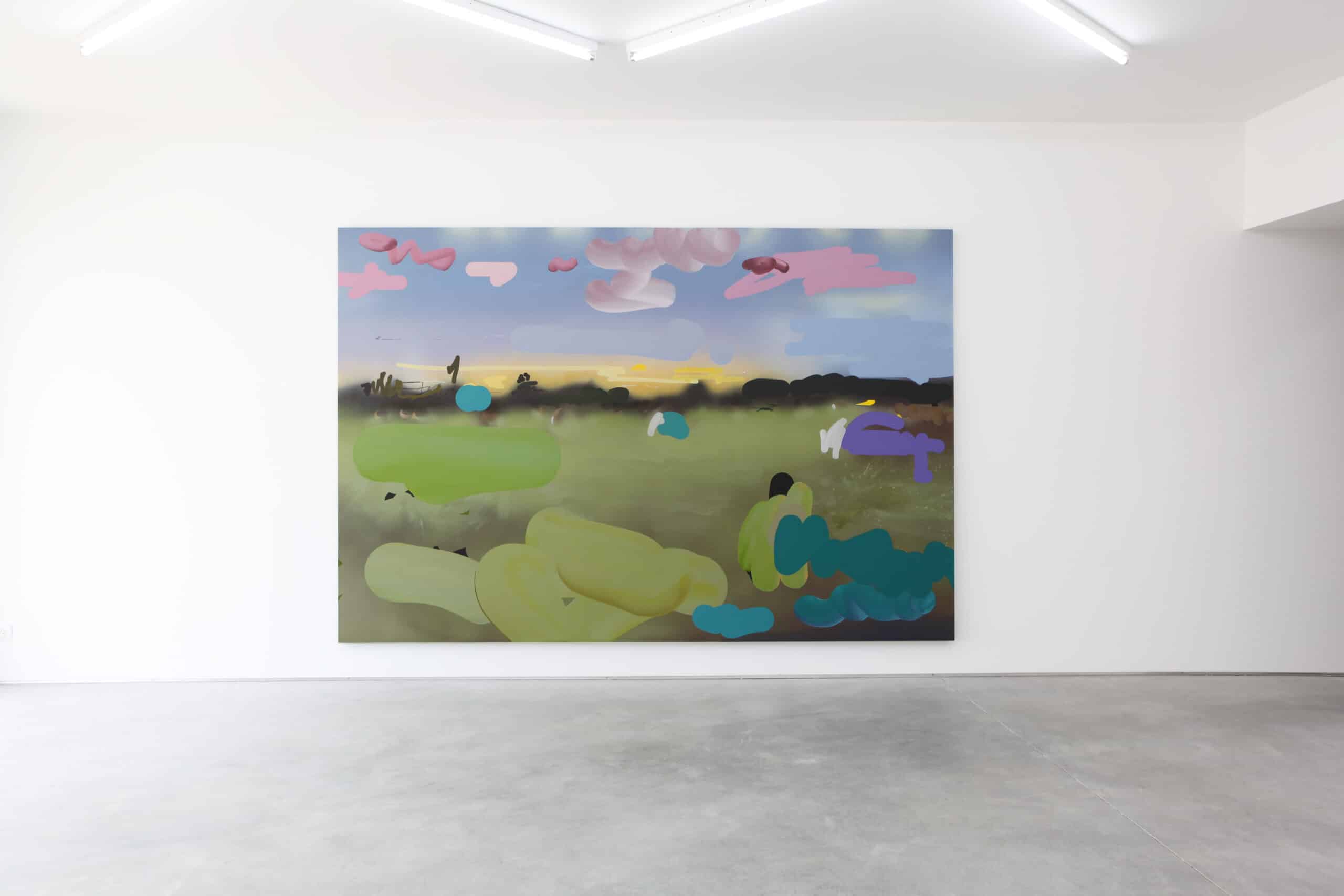
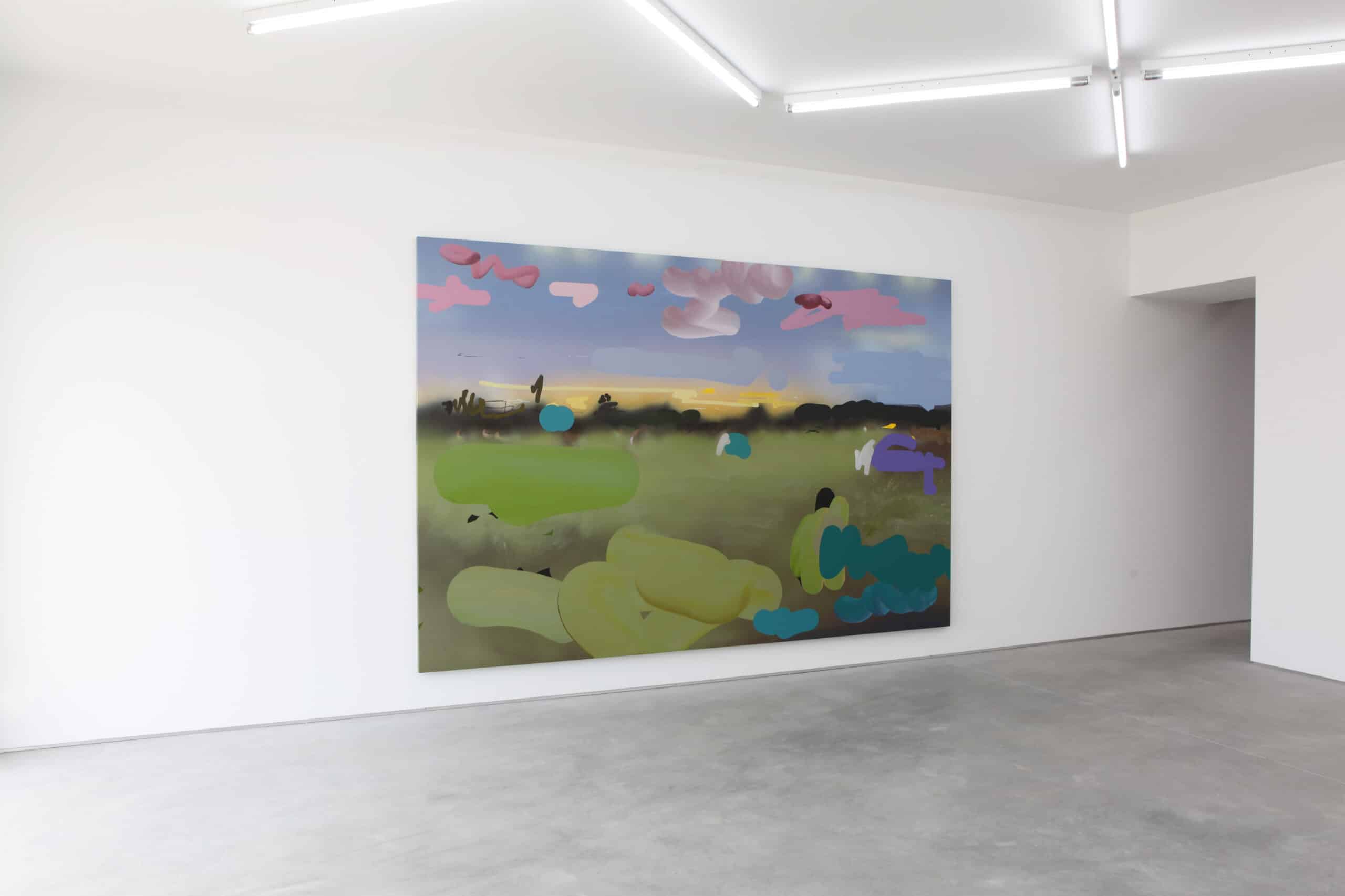
Landscape of Love
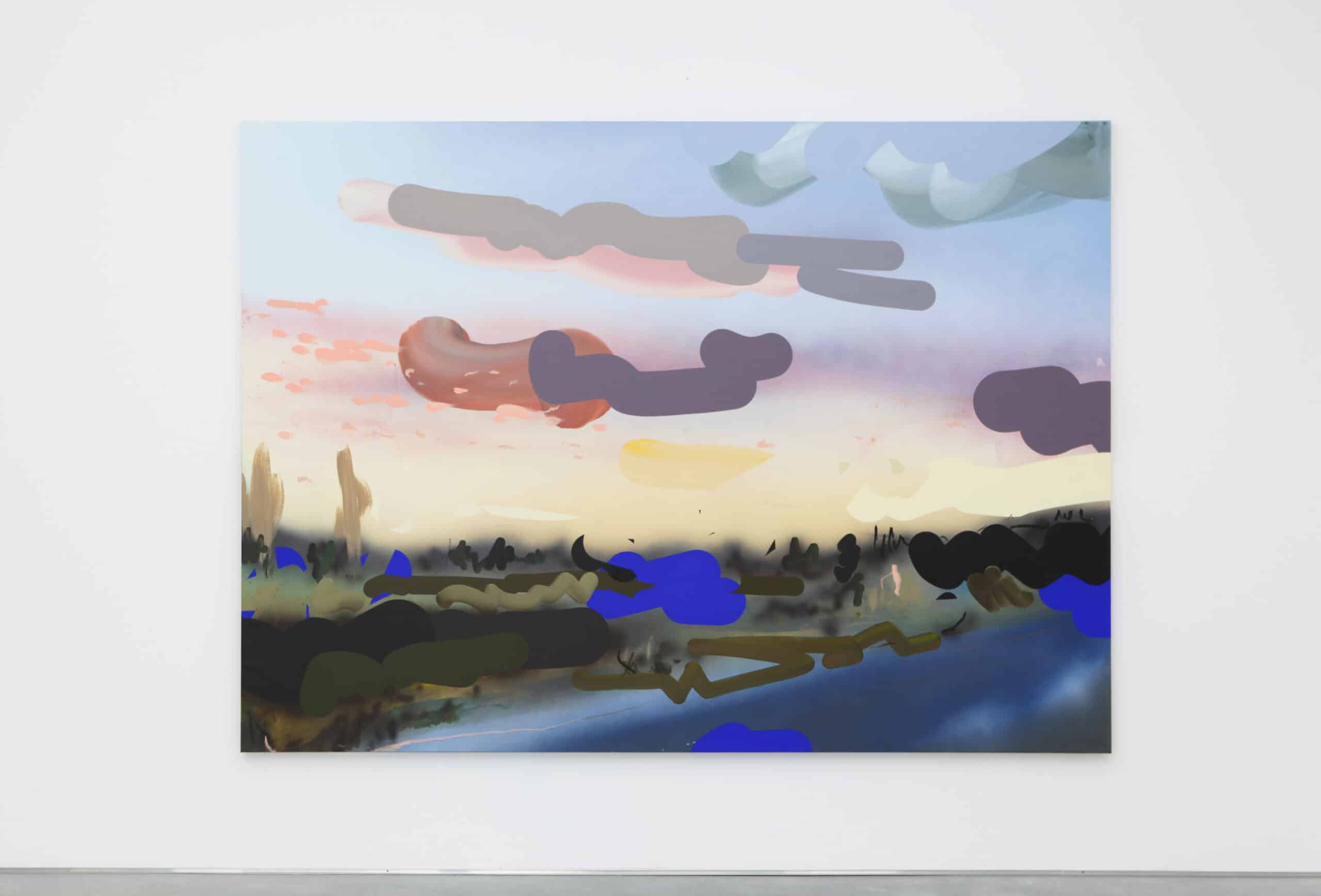
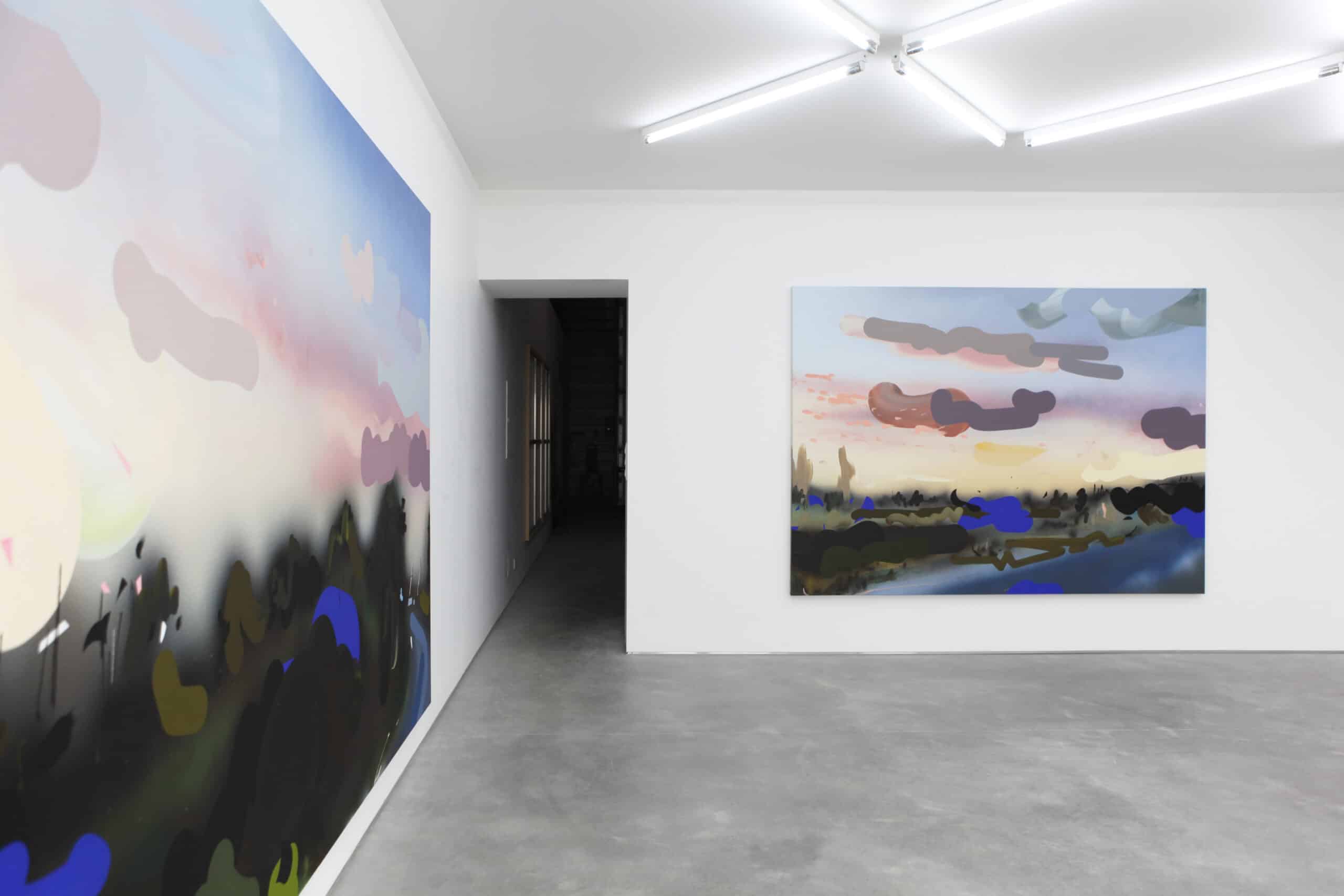
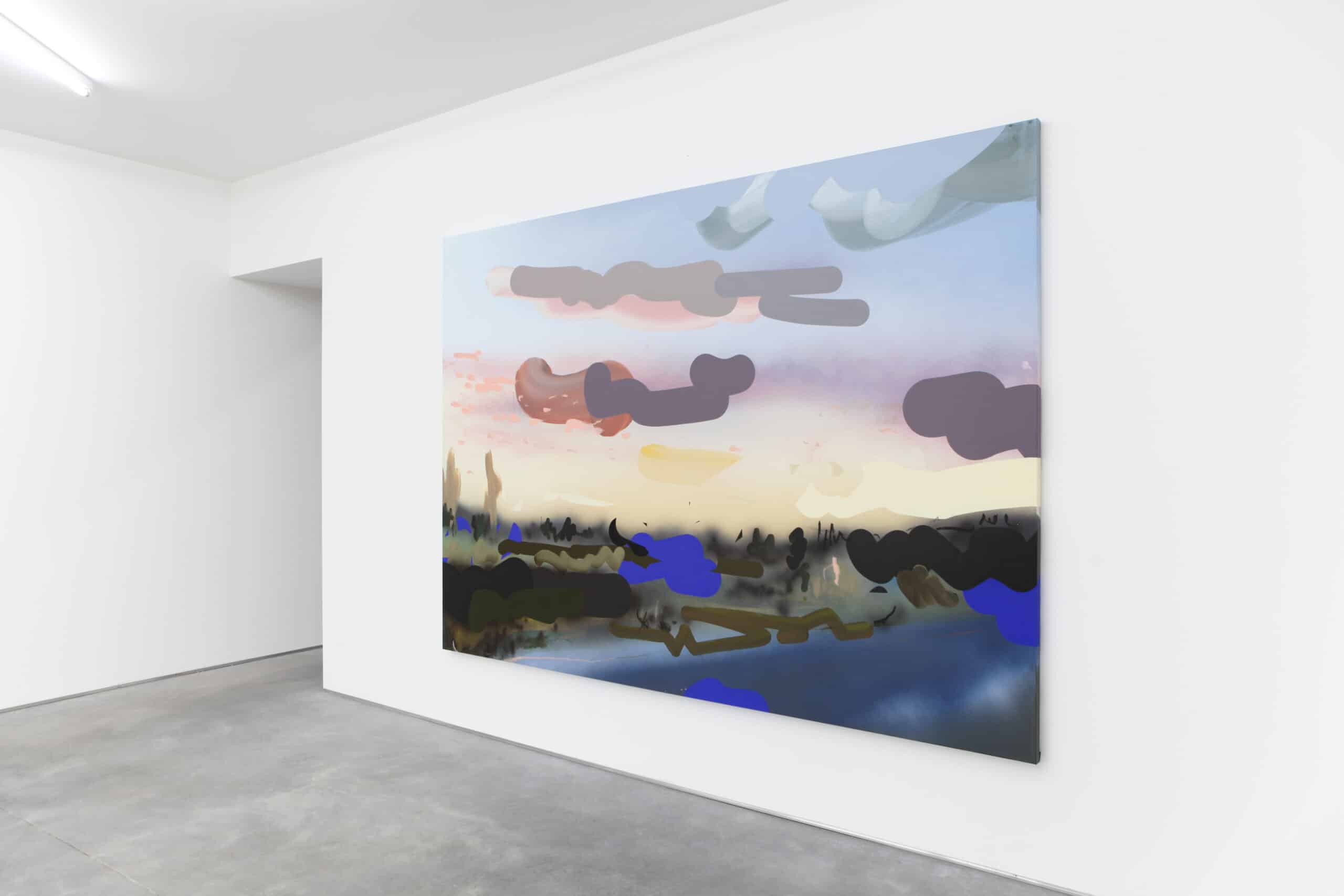
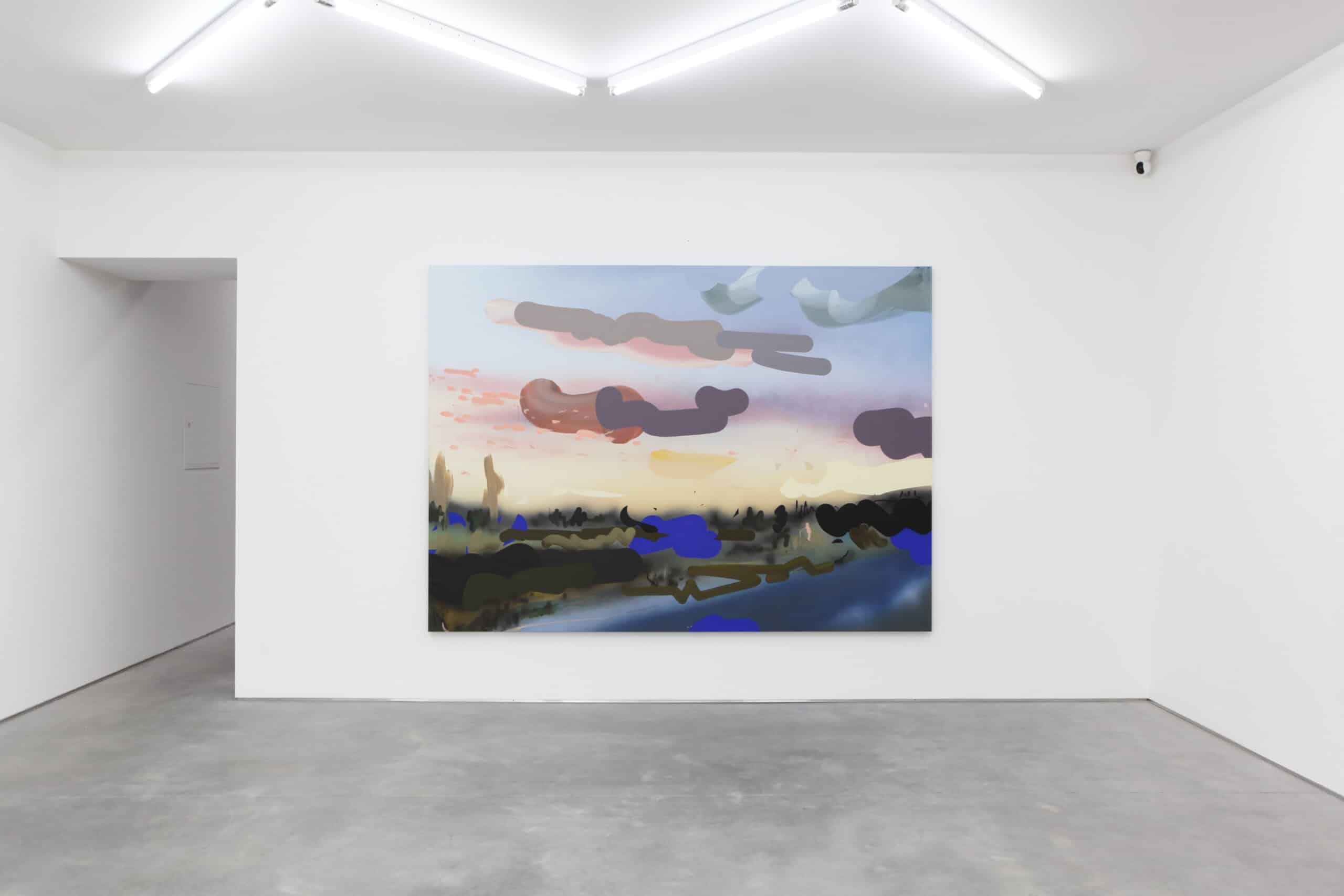
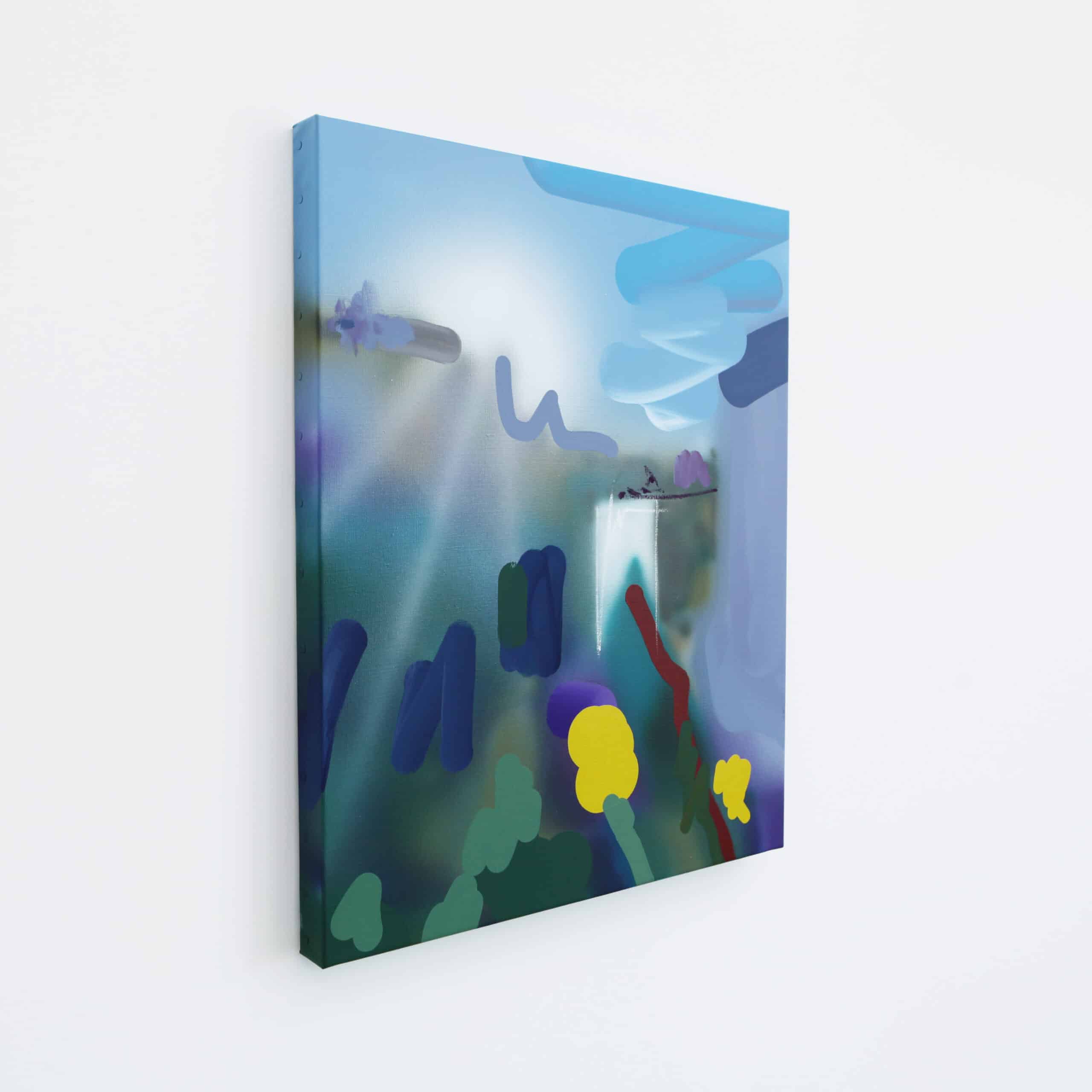
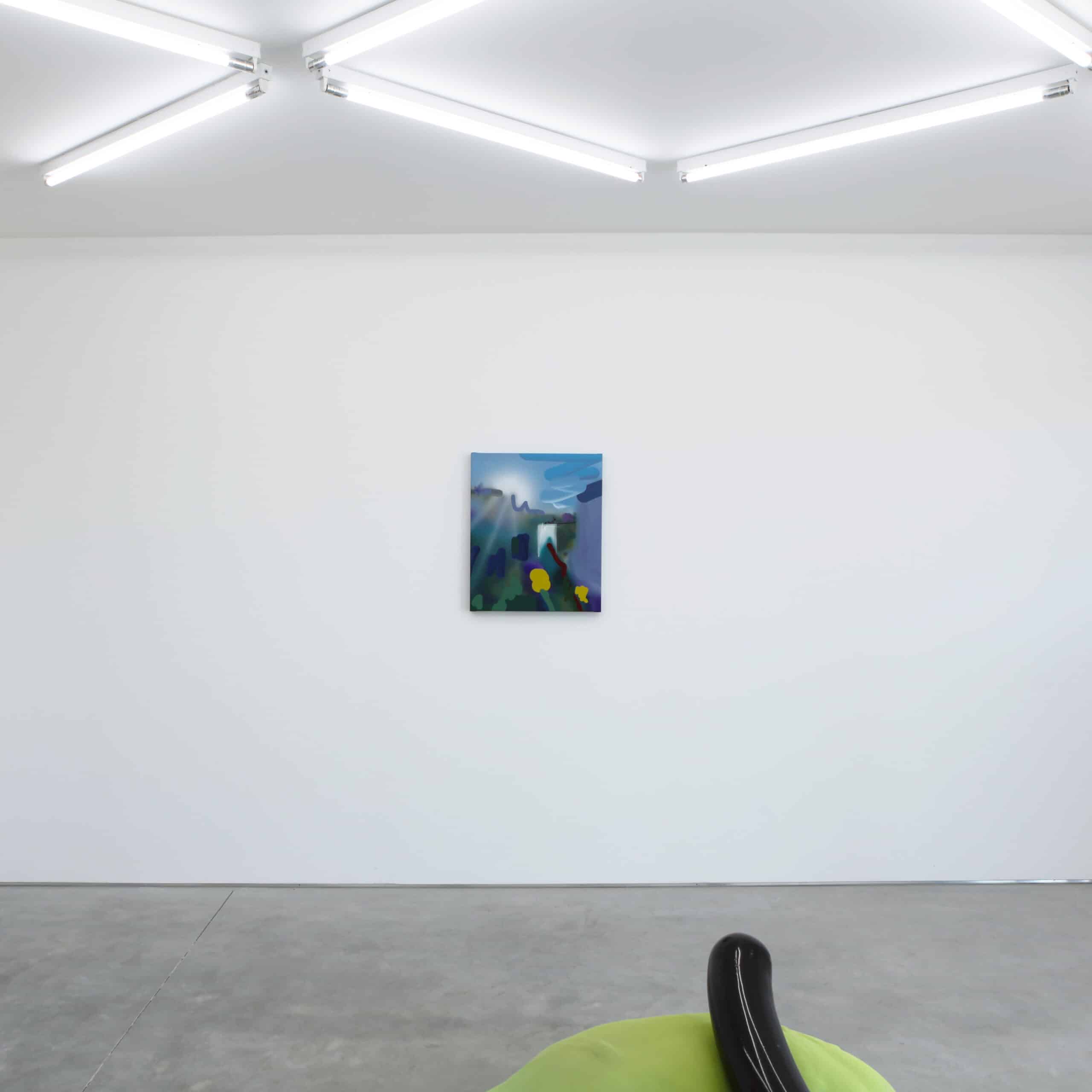
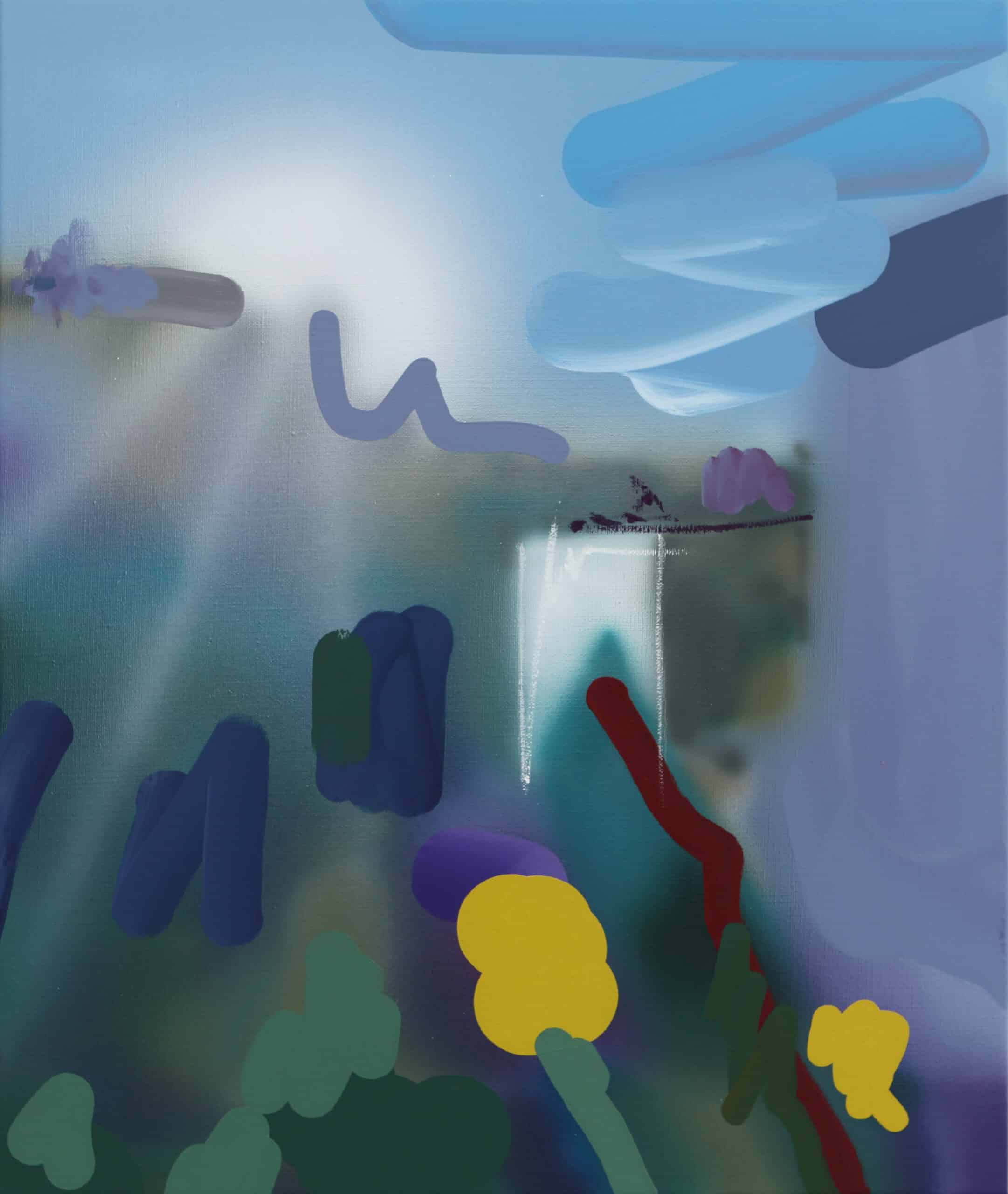
« Still in the will to represent the energy in the link, between Tiphaine and I, I setted up a new approachPainting a muse can reduct the subject by representing only a body or a face but the strength is elsewhere. It s more subtle and indefinableTo depict the vaporousness of love, the vibration that lack can generate, the projection of feelings.Painting emotions far more beyond of what could be seenWhen physically we re not together I take a photo in the axis of where she could be in the world, she does the same from her position to my axis. Both pictures are taken at the same moment.Landscape are then opposed and represents the distance between us. From her to me and vice versaA form of love landscape, showing what is normally can t be depicted »
2022




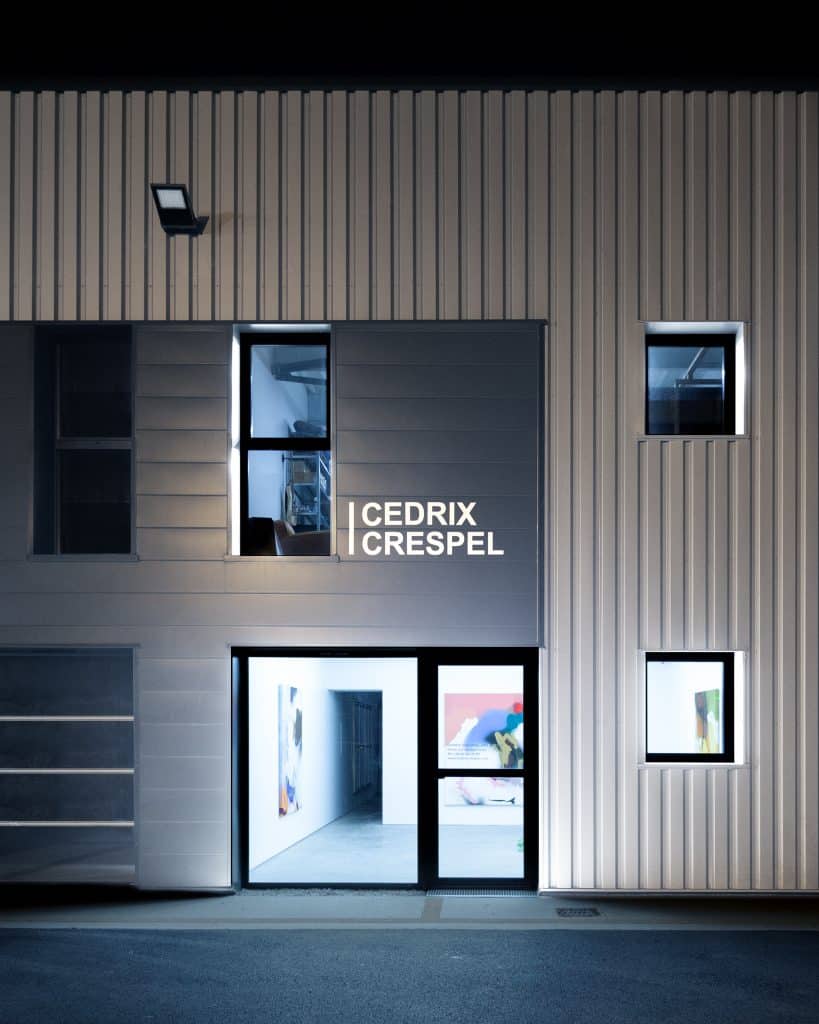
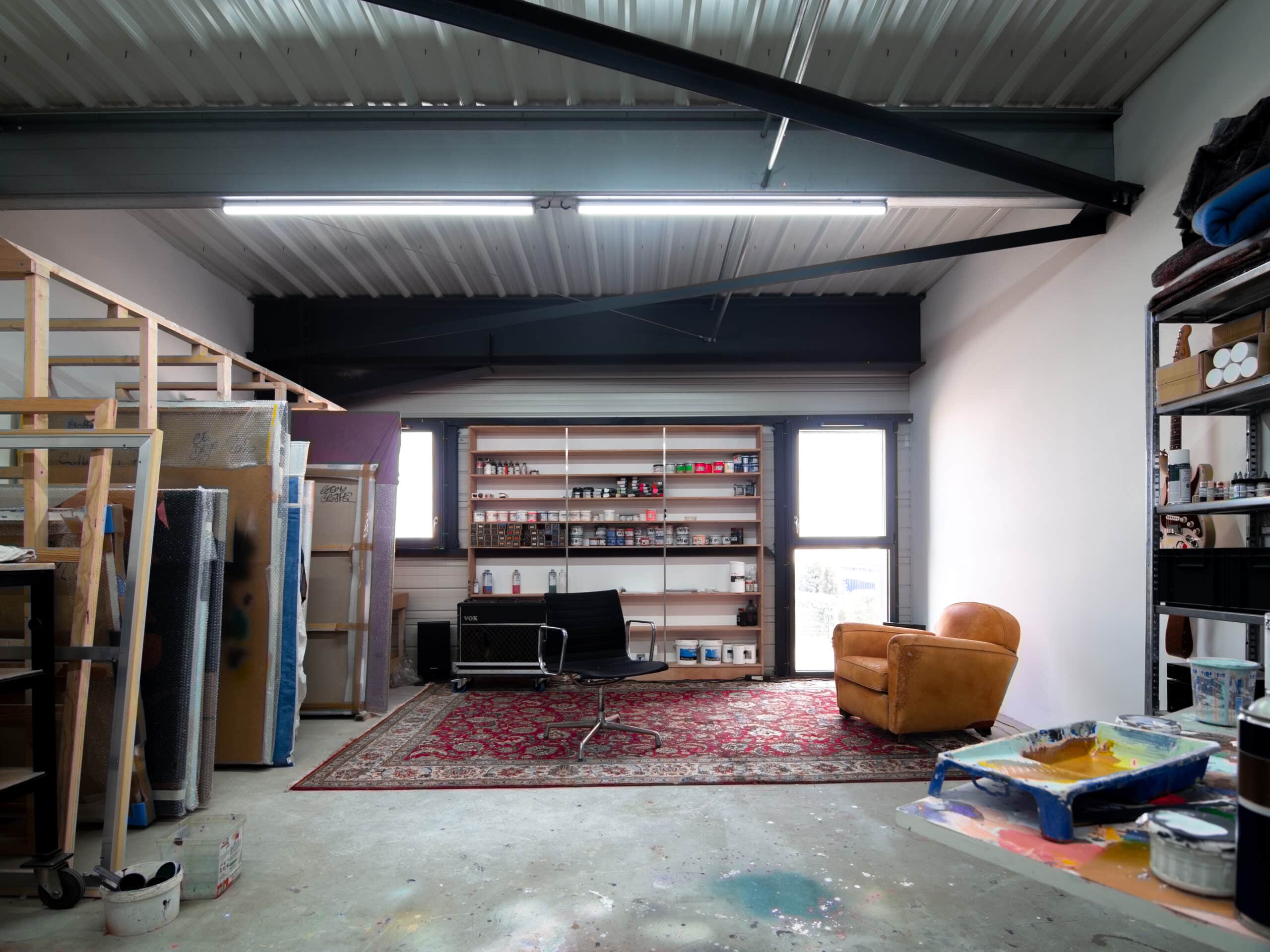
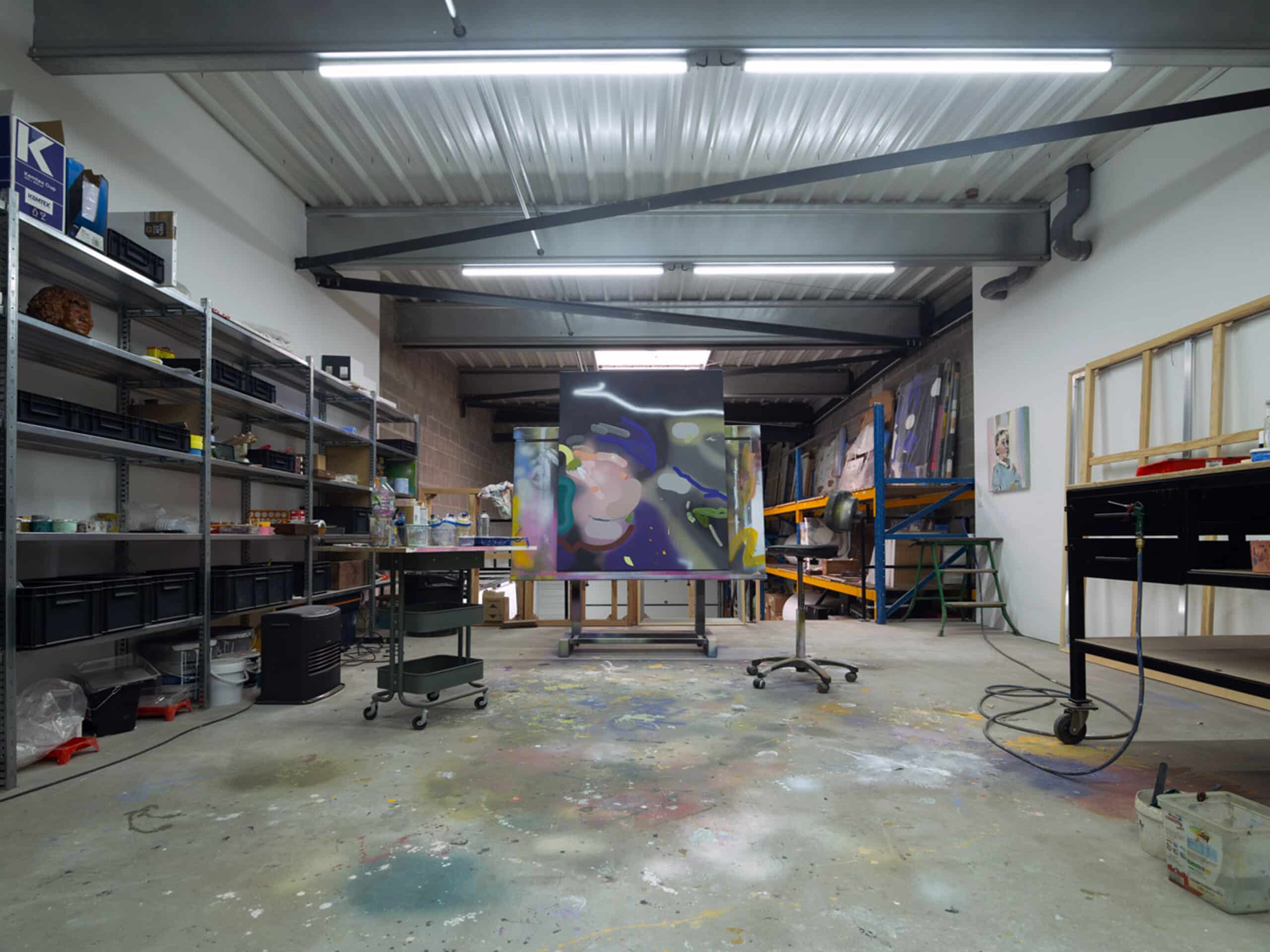
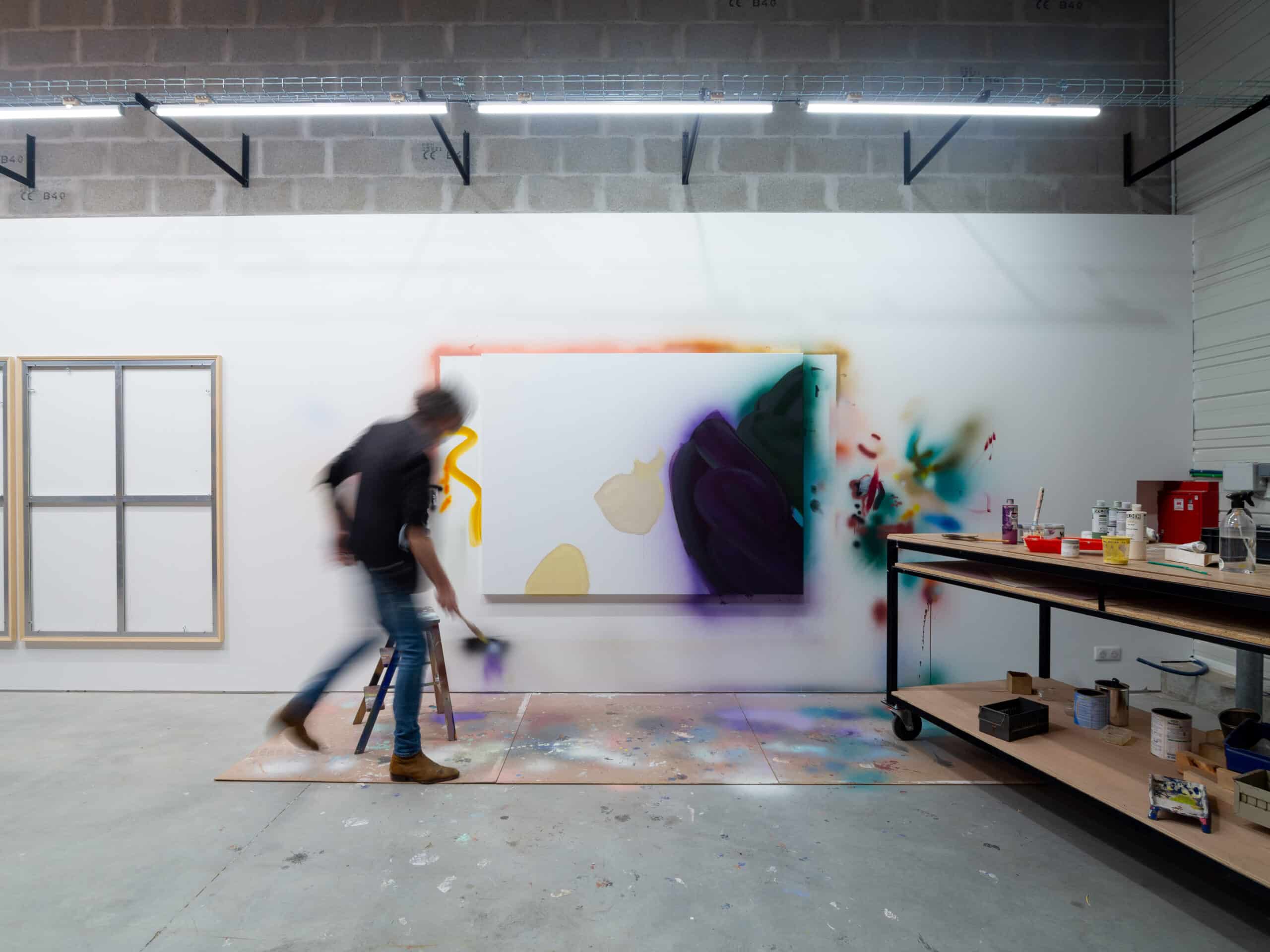
Art Studio 2022
Pics Fx Richard
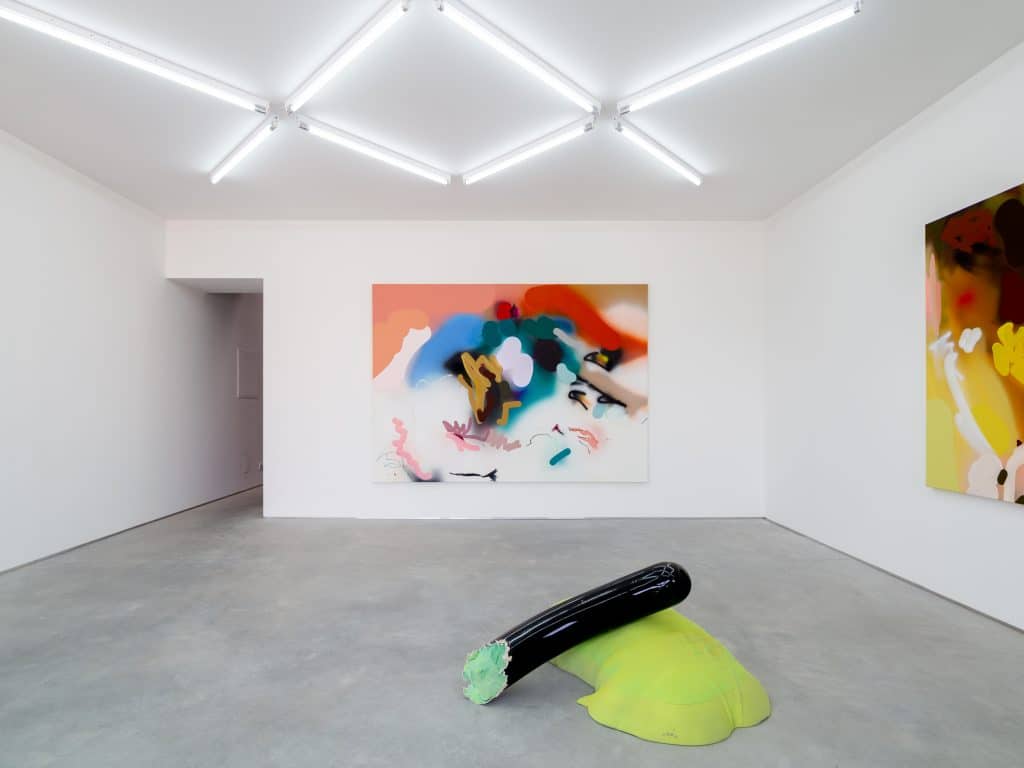
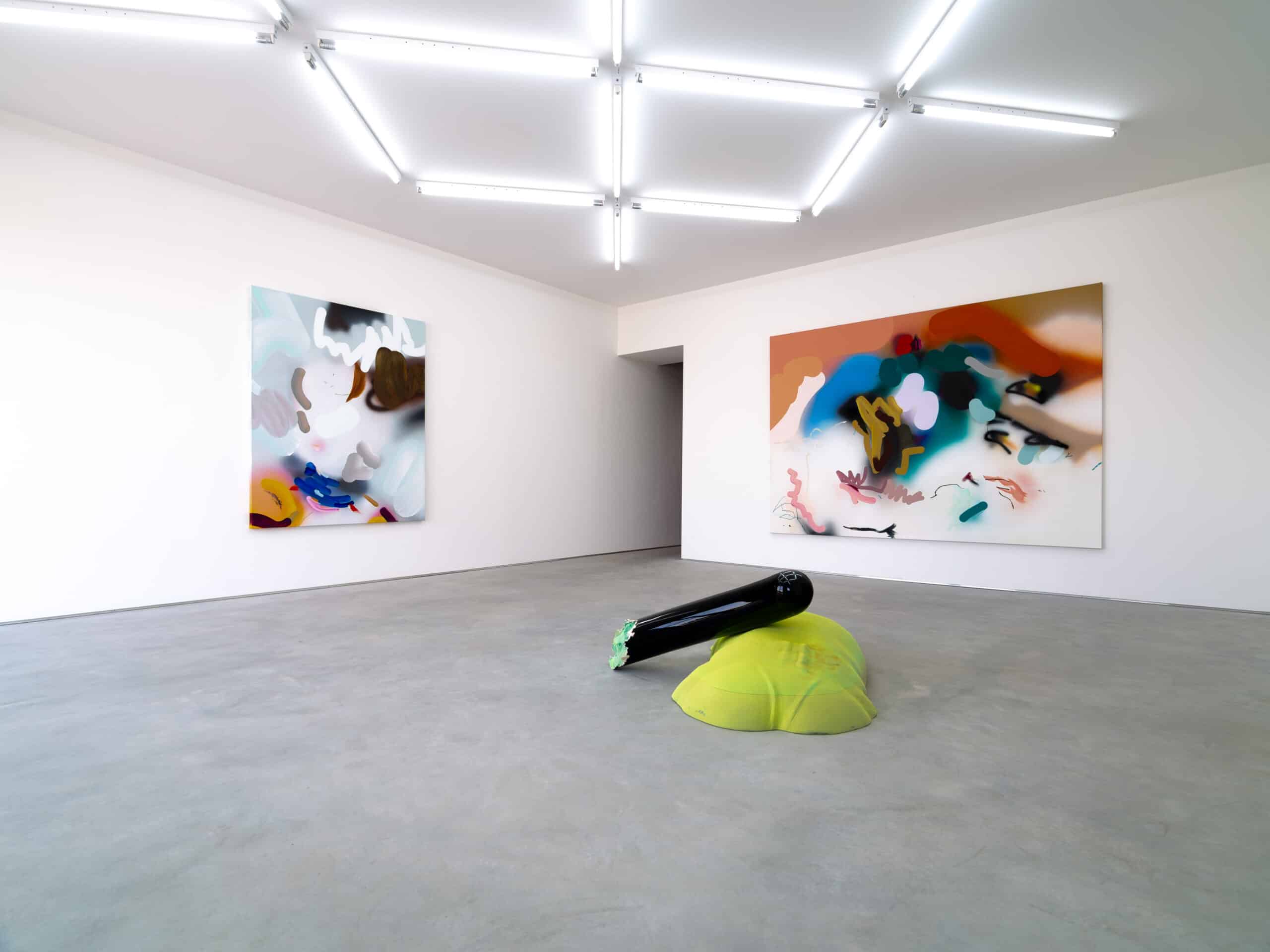
On Your Knees On My Bed
SENSUAL ET SEXUAL DREAMS Exhibition June 15th – August 25th, 2022
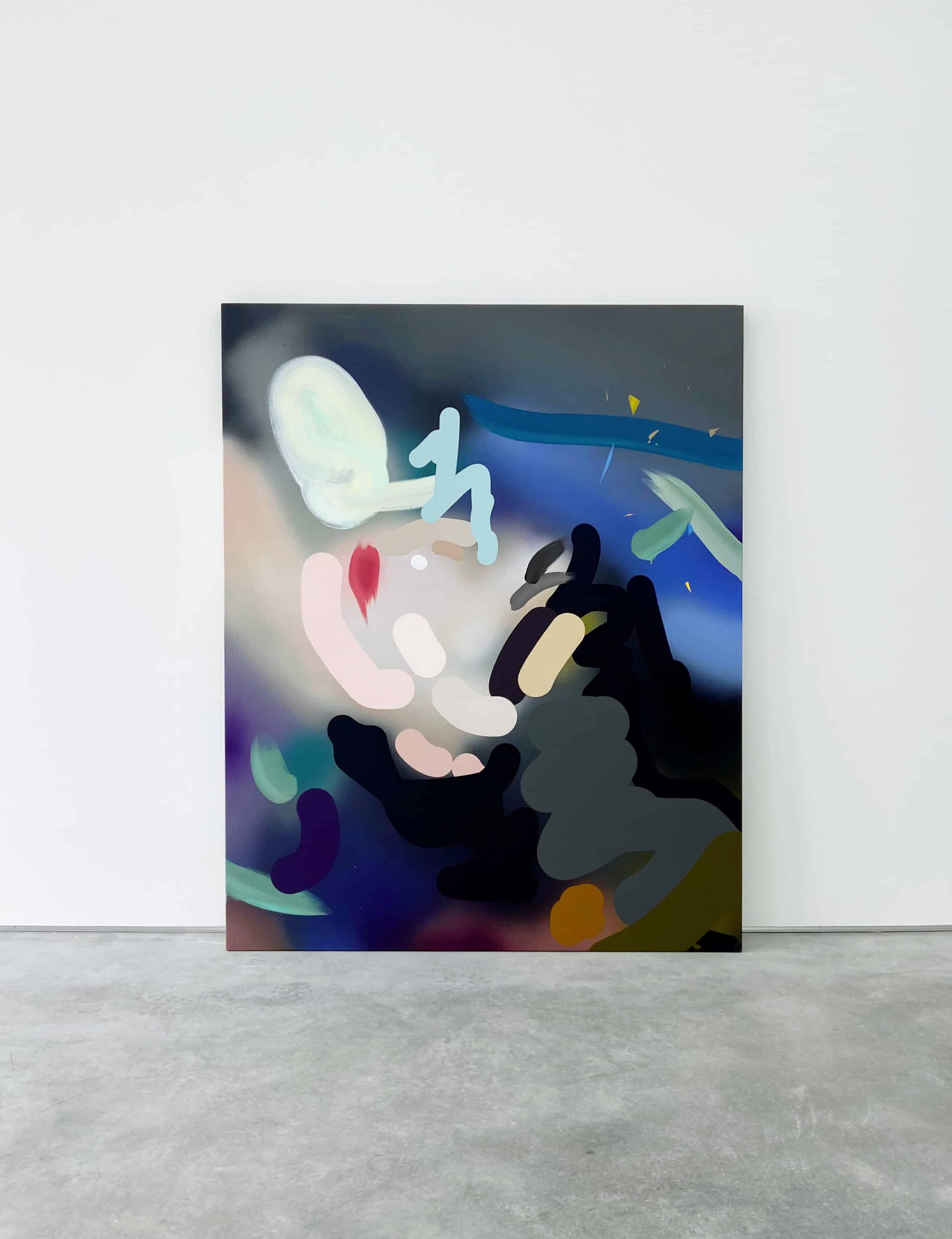
14/02/20XX
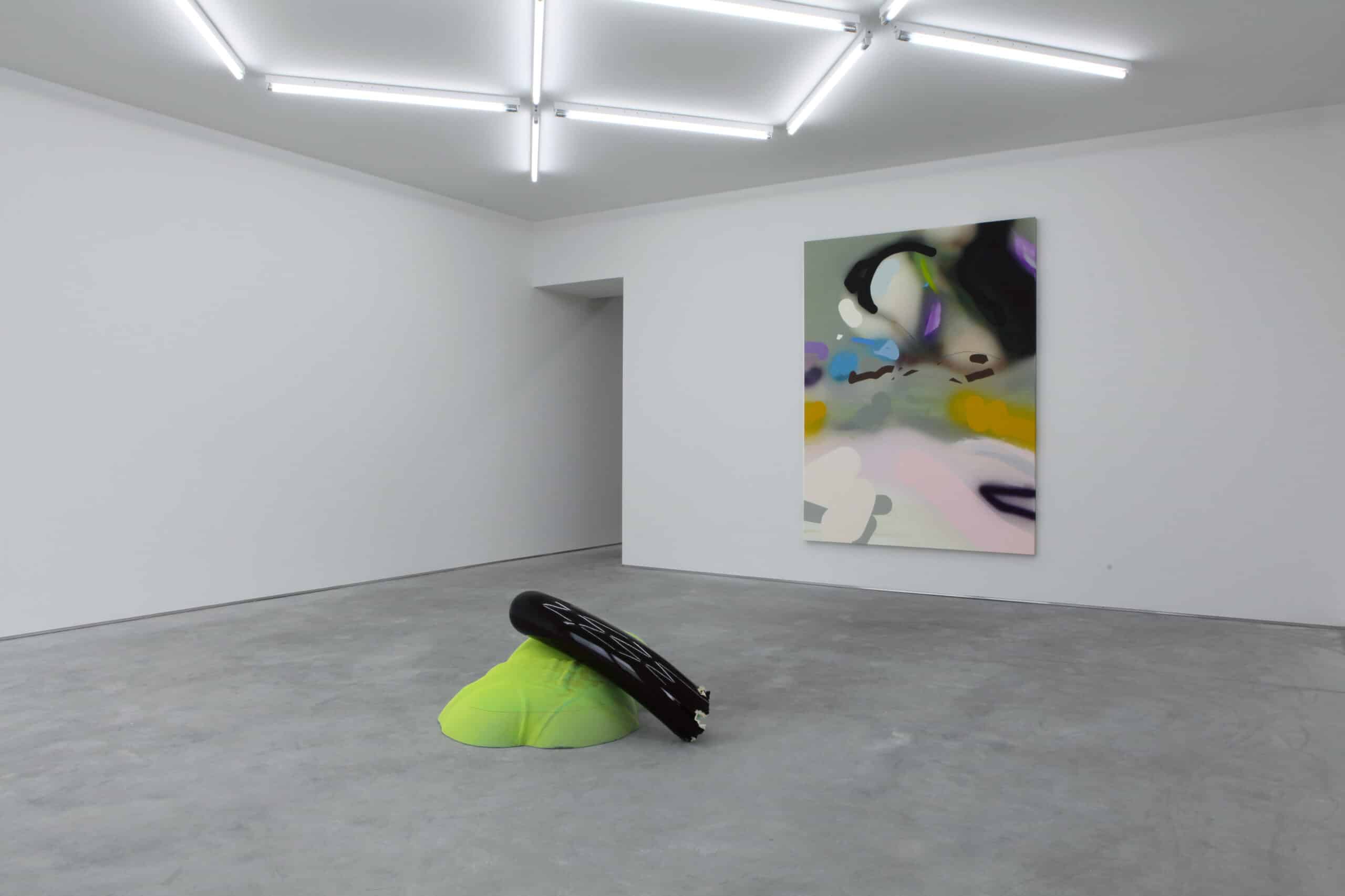
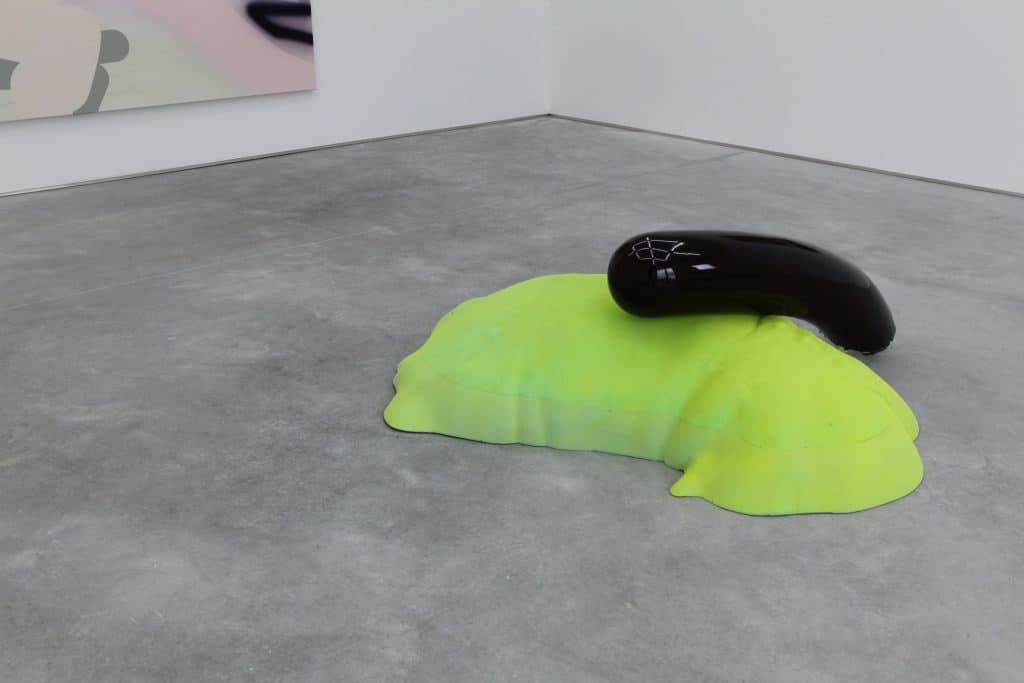
devisualisation
Montresso Art Foundation
Residence, Marrakech Morroco
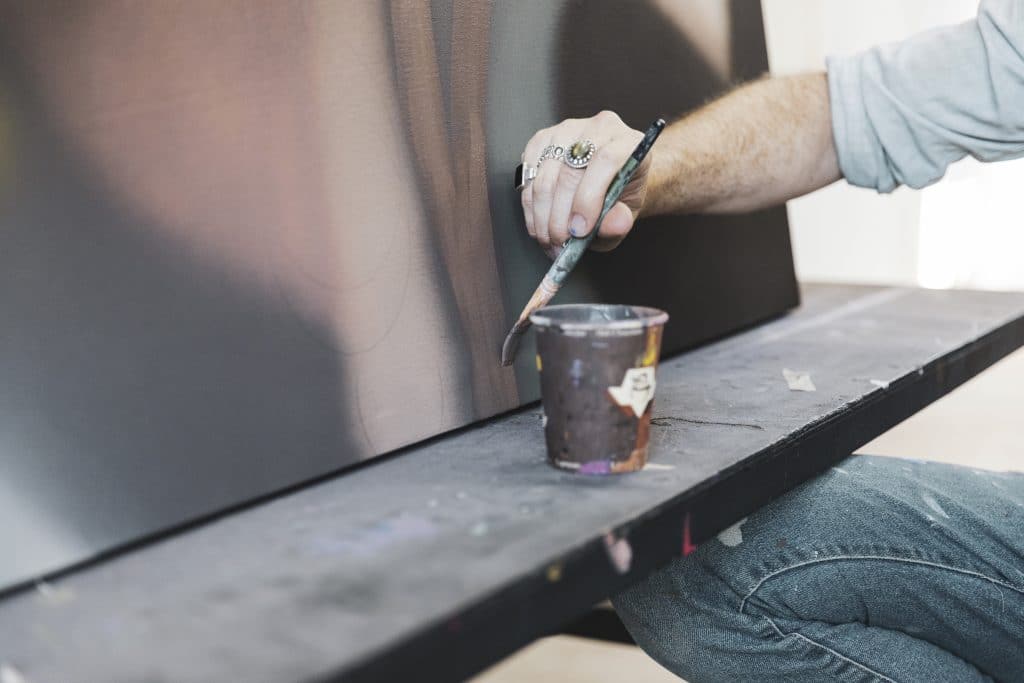
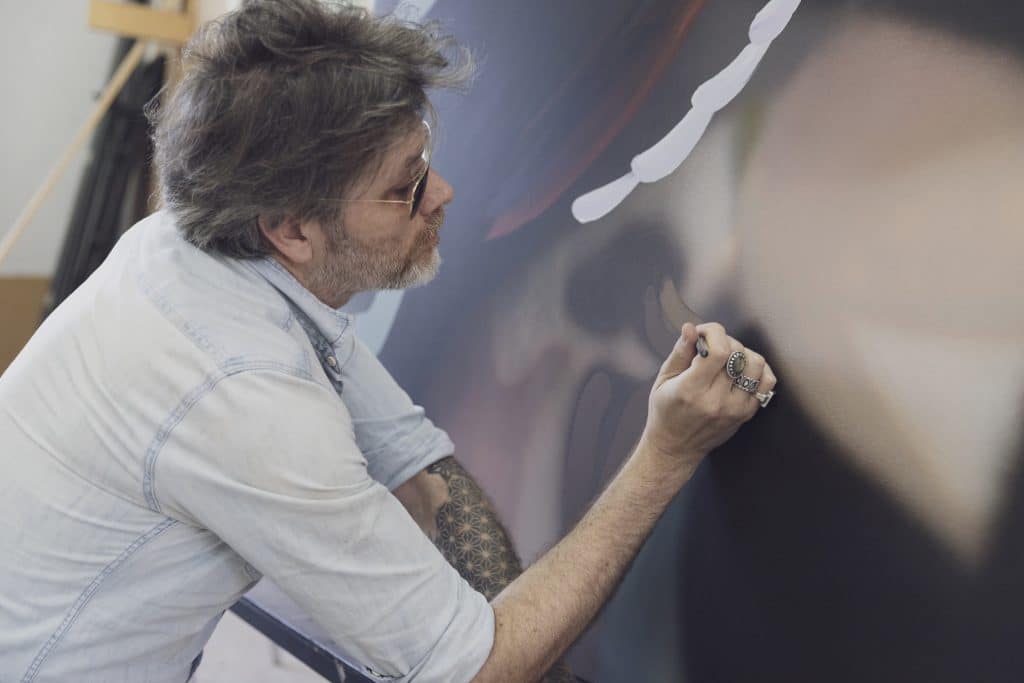
Born in 1974. He lives and works in Guérande (France).
@cedrix_crespel‘s painting is eminently linked to his life, to that of a man whose language of love and relationship to the sensual have been constantly questioned and broken down. In his paintings, the artist presents different representations of femininity and reinvents the codes of desire.
After two years of research and reflection, the artist is back at the Jardin Rouge residence. Under the volutes, vapours and veils of the visible, Cédrix Crespel’s paintings conceal a secret figuration. A body, its details, a sensuality: Tiphaine, obviously. There are no thunderous declarations. At their peak, her love and desire prefer the modesty of the intimate. And so it is in a dialogue of silences and subtleties that he immortalizes the materiality of the flesh and the lively emotion that accompanies it.
—
Né en 1974. Il vit et travaille à Guérande (France).
La peinture de Cédrix Crespel est éminemment liée à sa vie, à celle d’un homme dont le langage amoureux et le rapport au sensuel ont sans cesse été questionnés, décomposés. L’artiste décline dans ses toiles différentes représentations de la féminité et réinvente les codes du désir.
Après deux années de recherche et de réflexion, l’artiste est de retour à la résidence Jardin Rouge. Sous les volutes, les vapeurs et les voiles du visible, les tableaux de Cédrix Crespel dissimulent une figuration secrète. Un corps, ses détails, une sensualité: Tiphaine, évidemment. Point d’esclandres, de déclarations tonitruantes. A leur apogée, son amour et son désir préfèrent la pudeur de l’intime. Et c’est donc dans un dialogue de silences et de subtilités qu’il immortalise la matérialité de la chair et l’émotion vive qui l’accompagne.
Madison Gallery
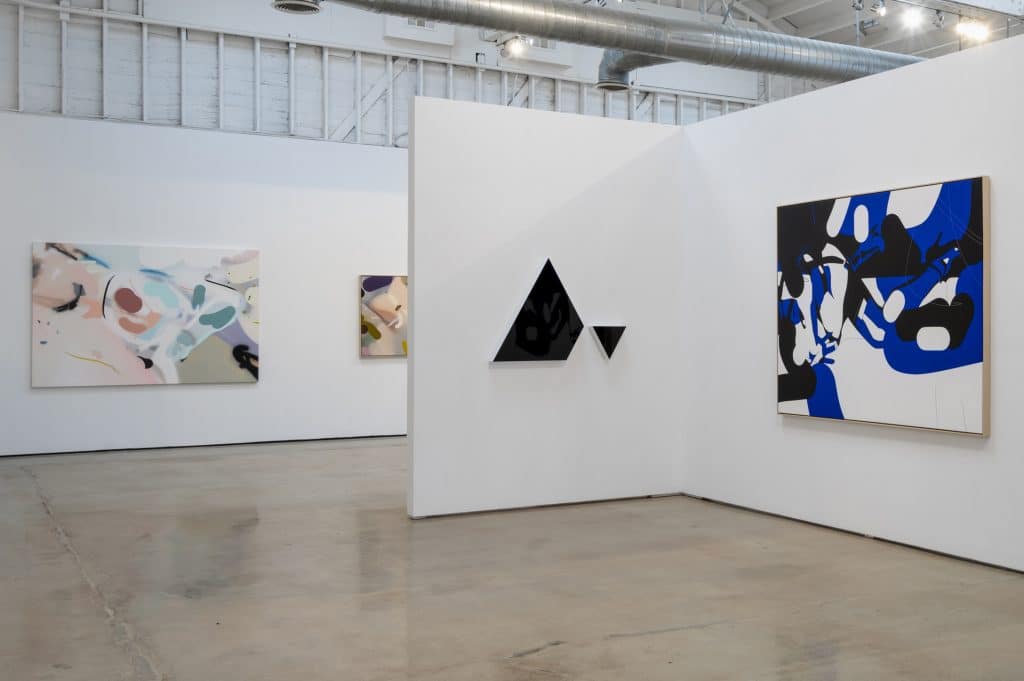
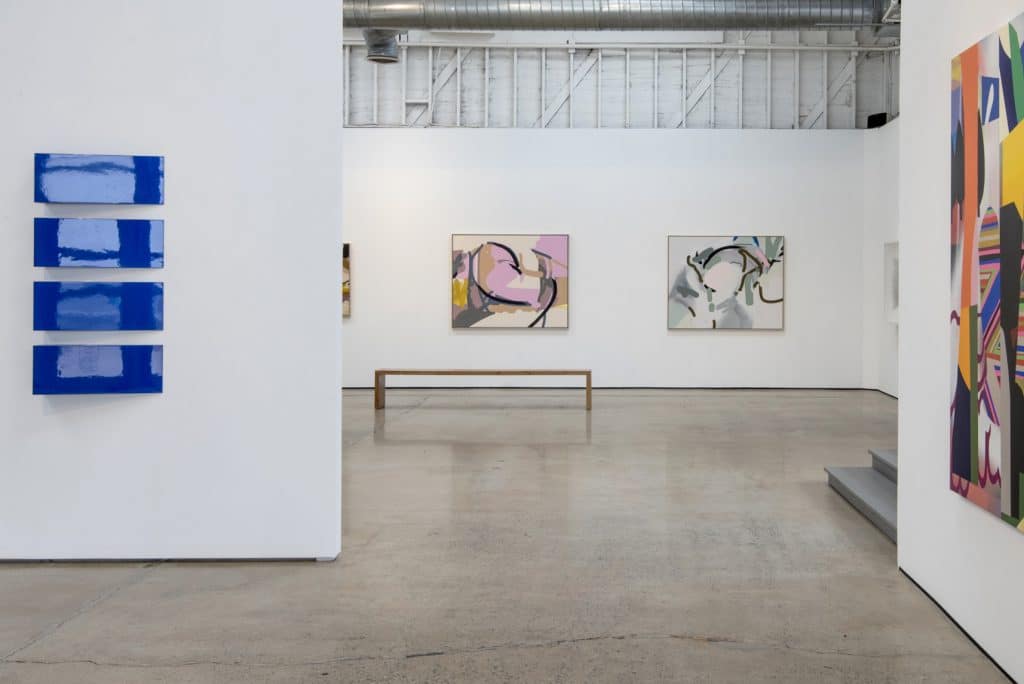
Dorénavant, mon travail sera représenté par la Madison Gallery en Californie pour toute la côte ouest des Etats Unis.
My work will be represented by the Madison Gallery in California for the entire west coast of the United States.
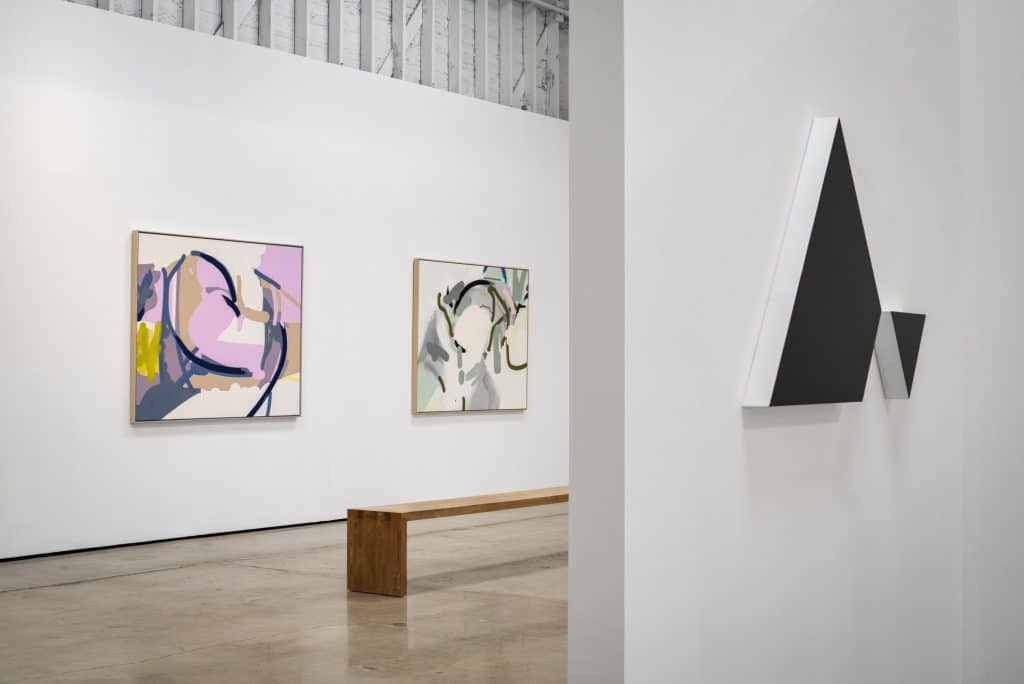
http://www.madisongalleries.com/
Deposits green
Madison Gallery San Diego US
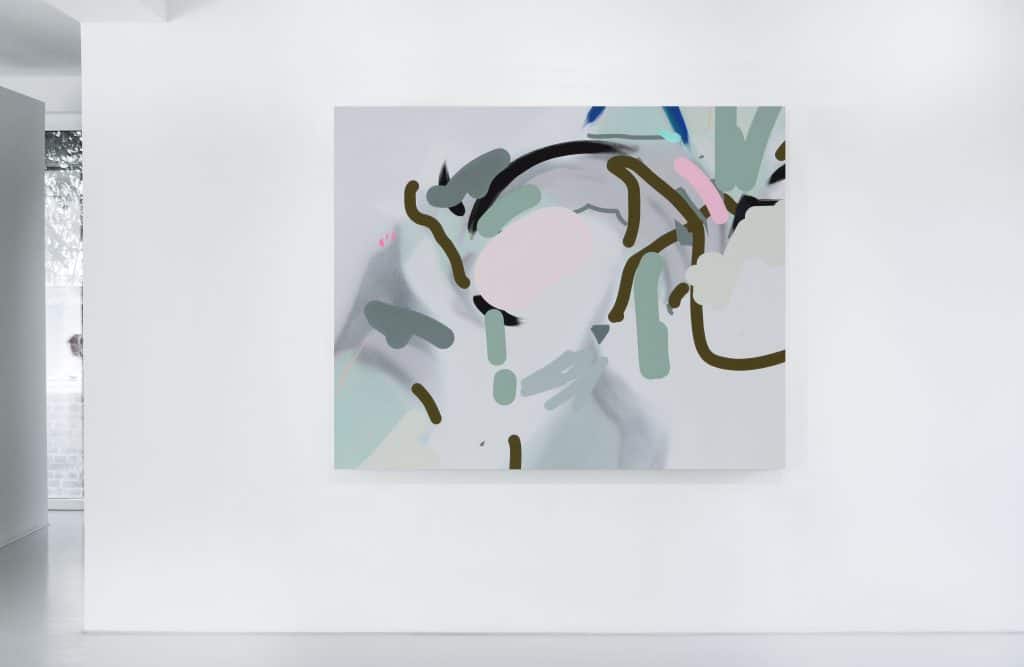
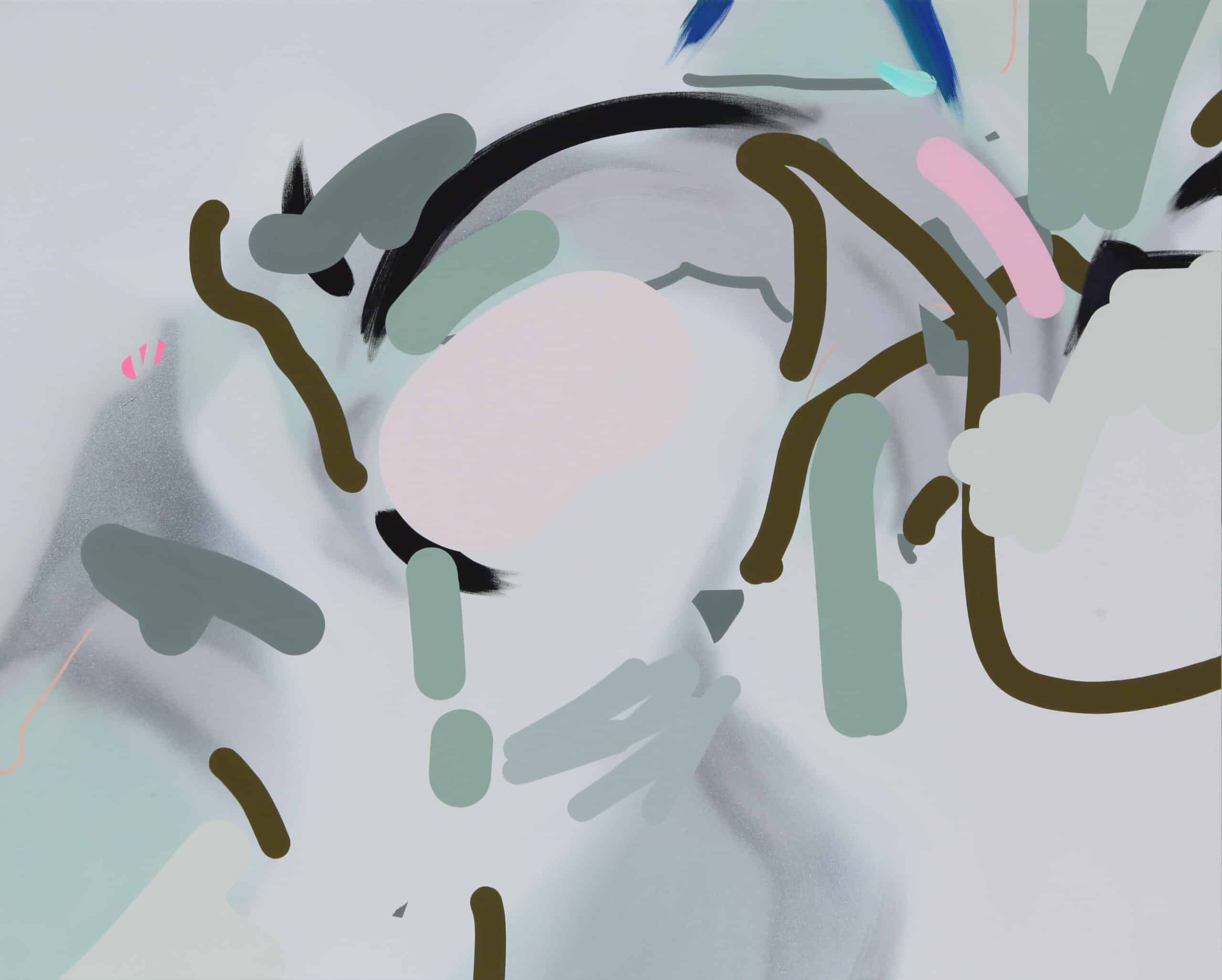
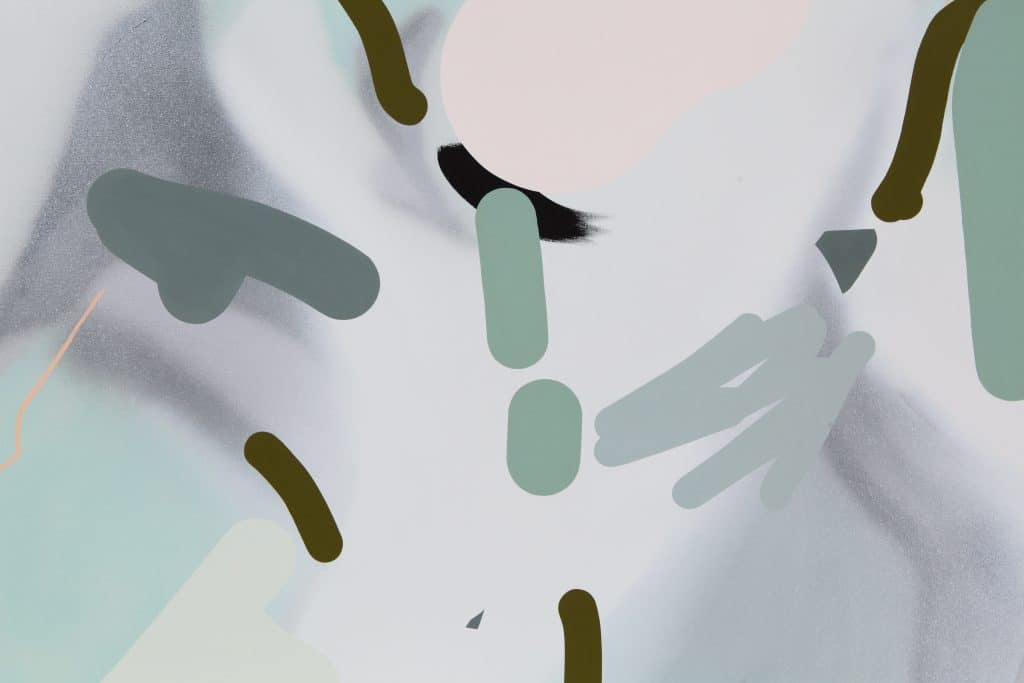
A Blurred Spring
Madison Gallery San diego US
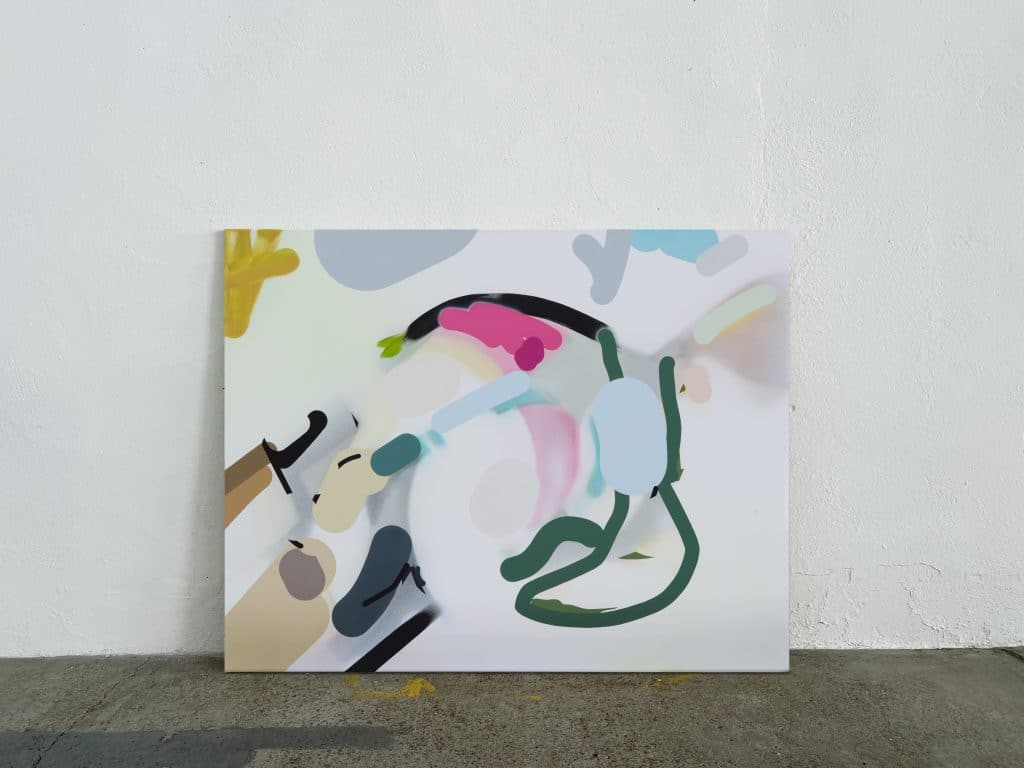
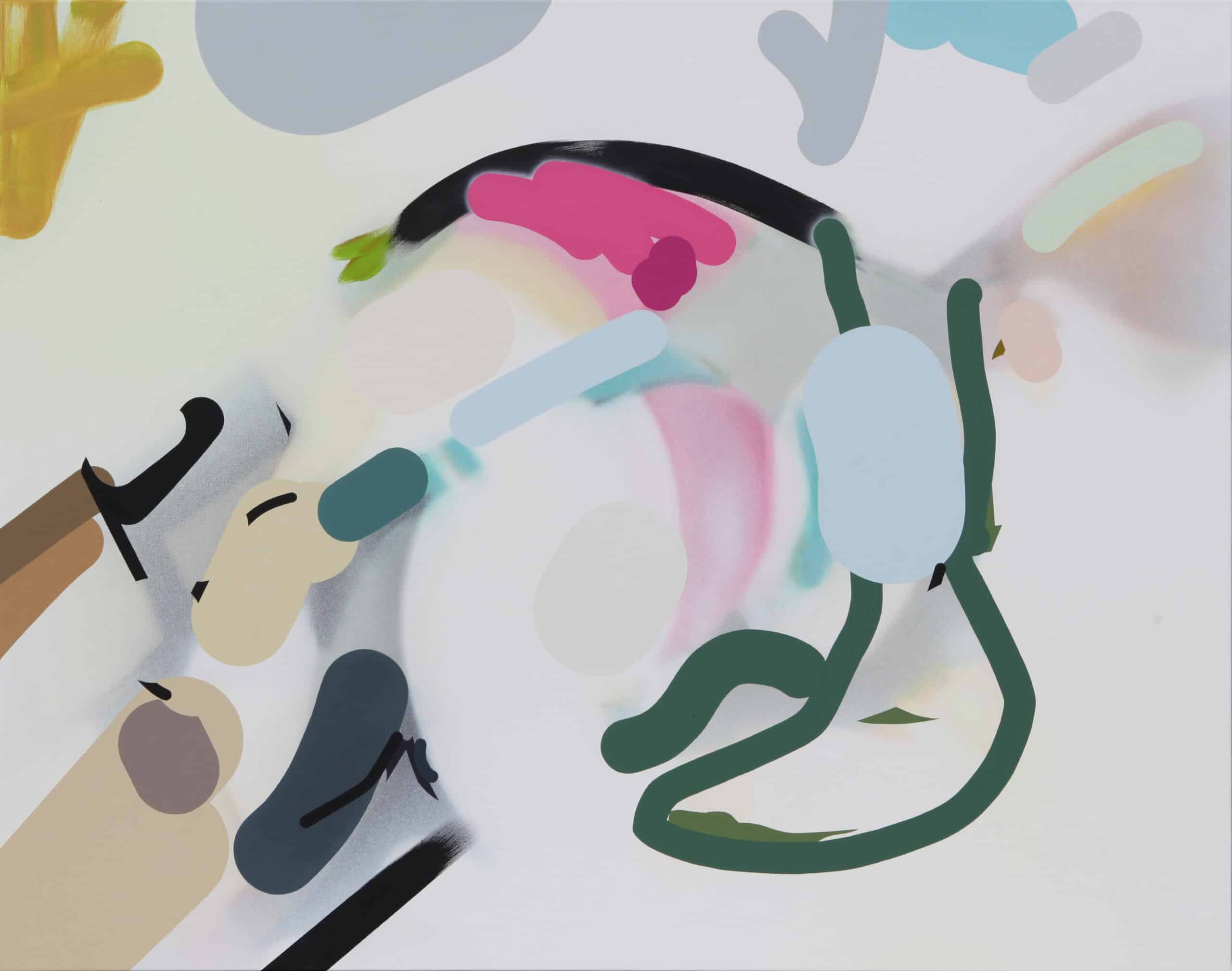
+&-
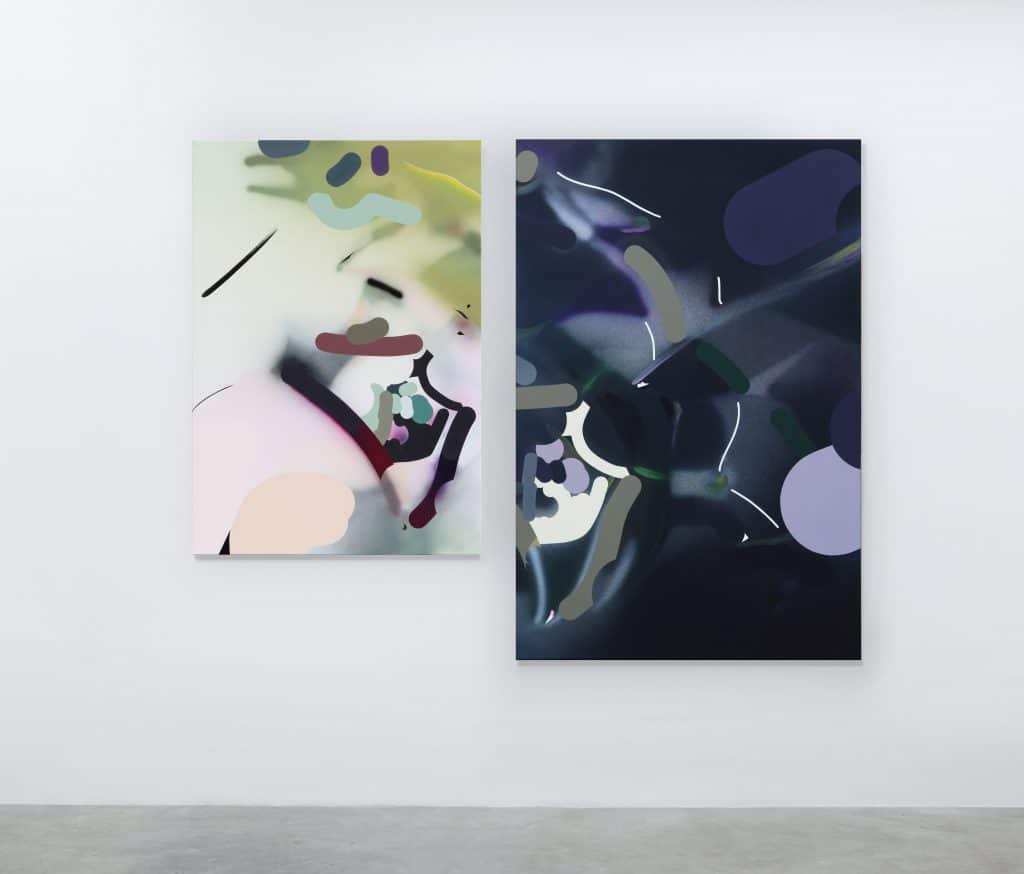
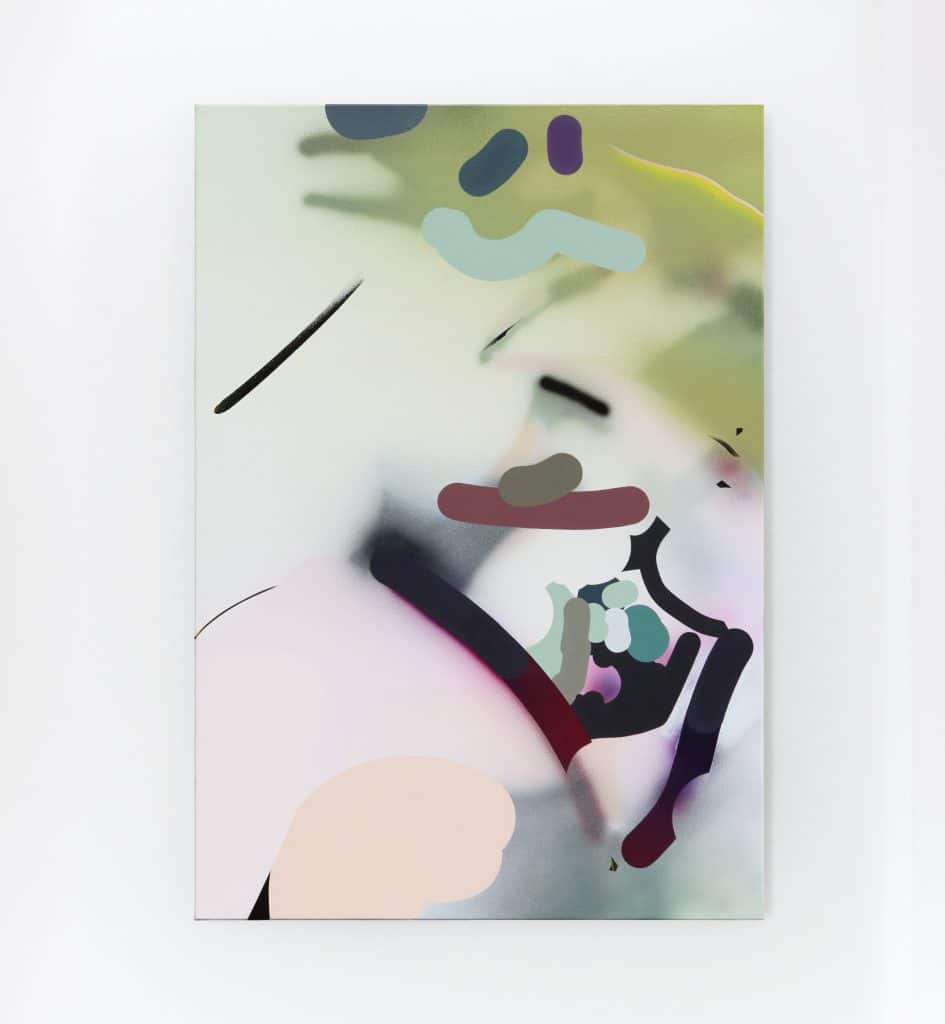
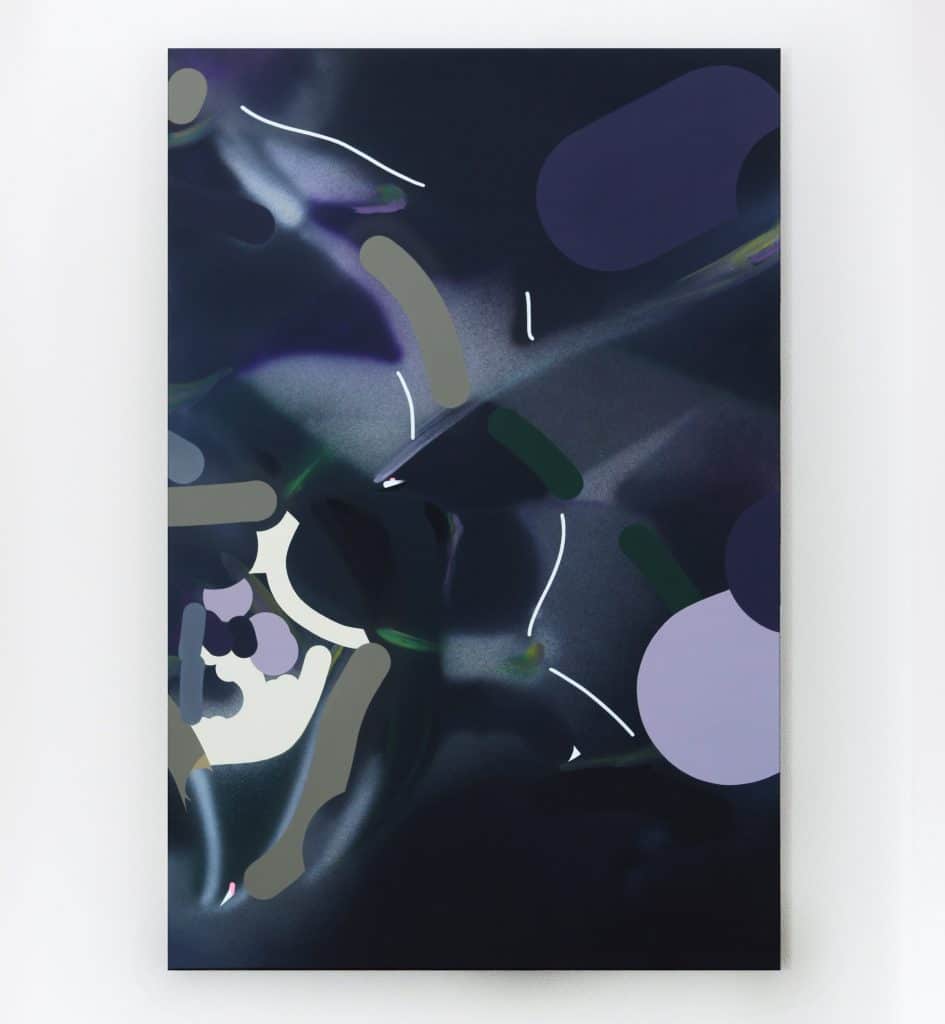
Grey the real pink
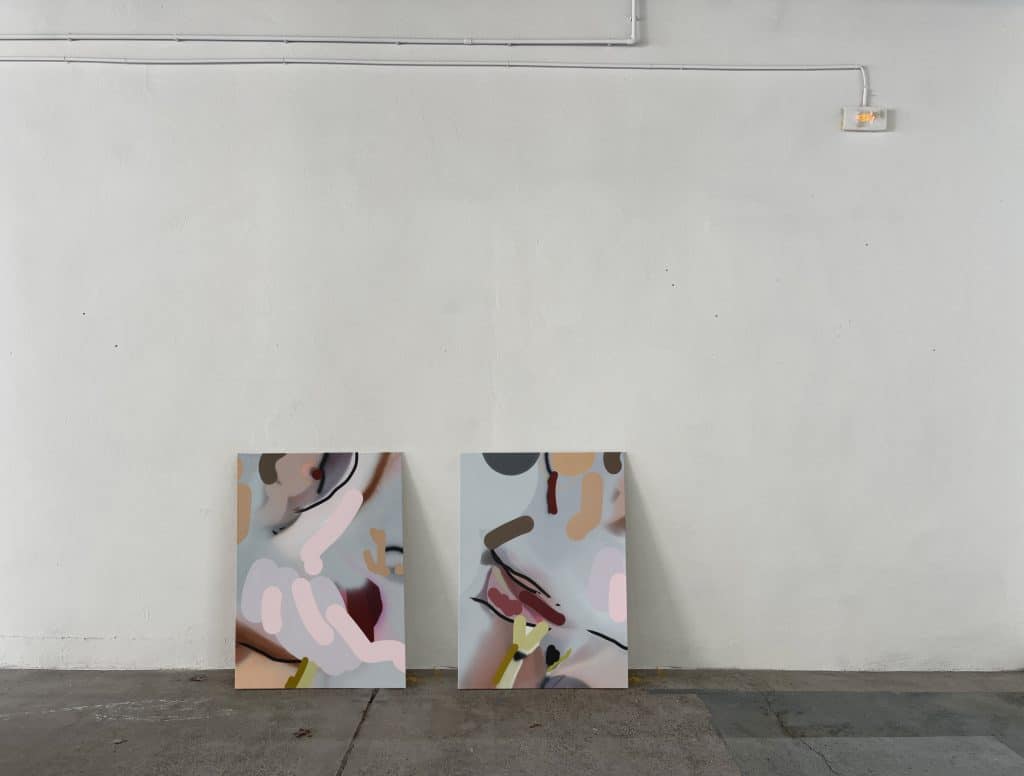
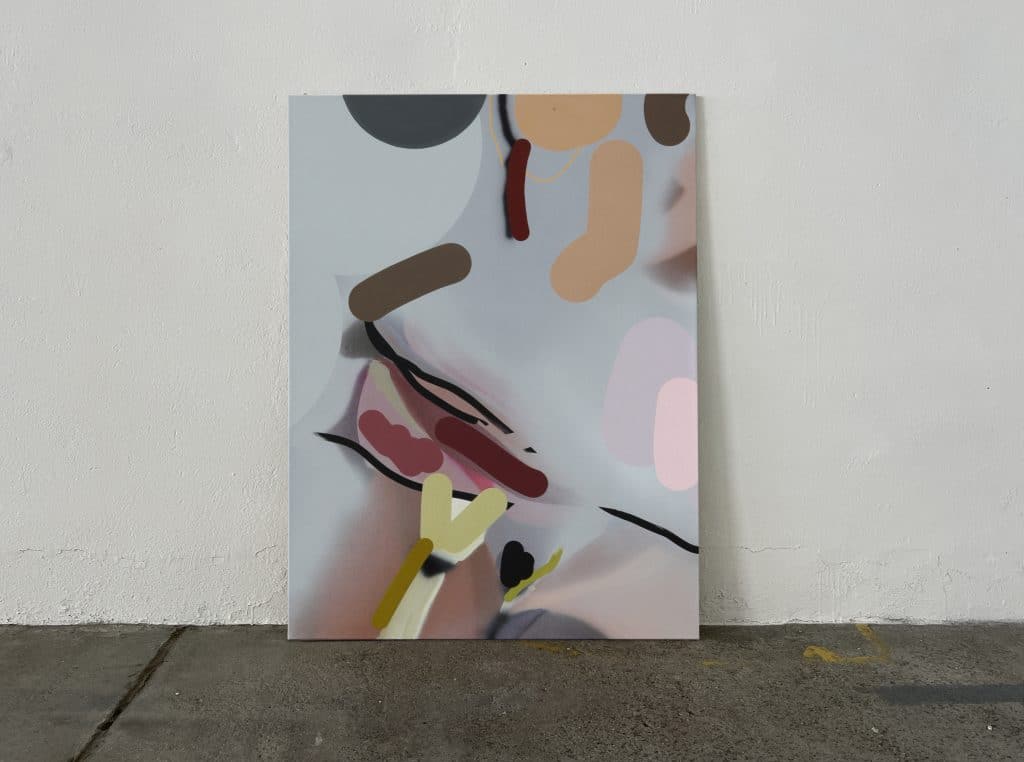
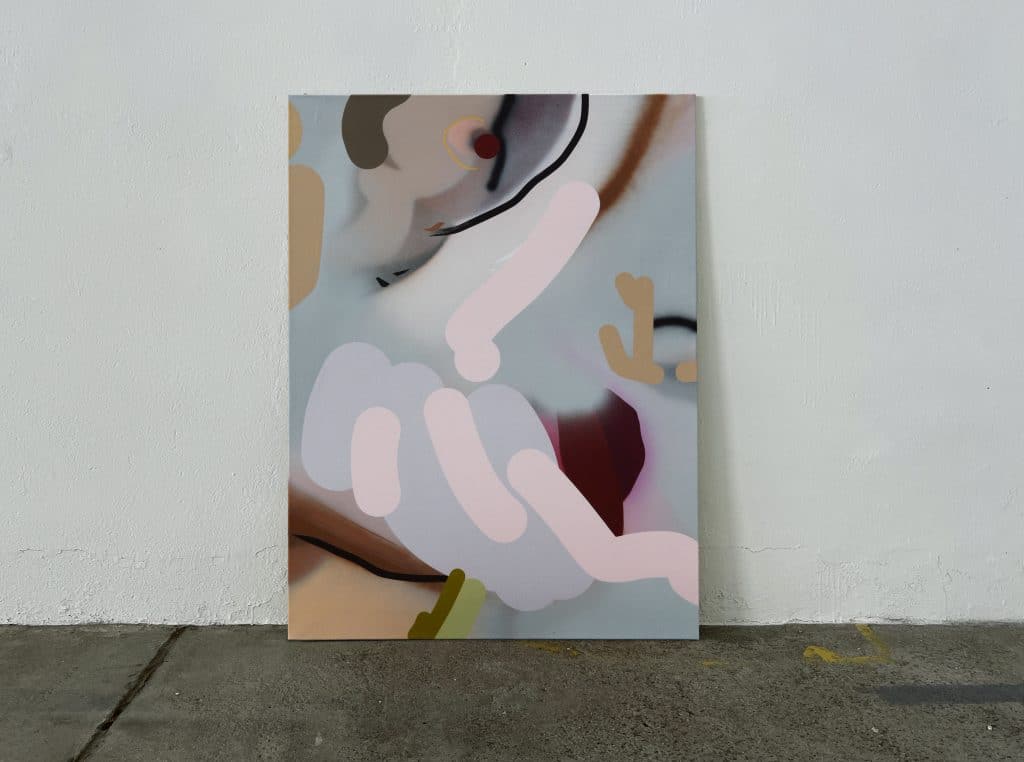
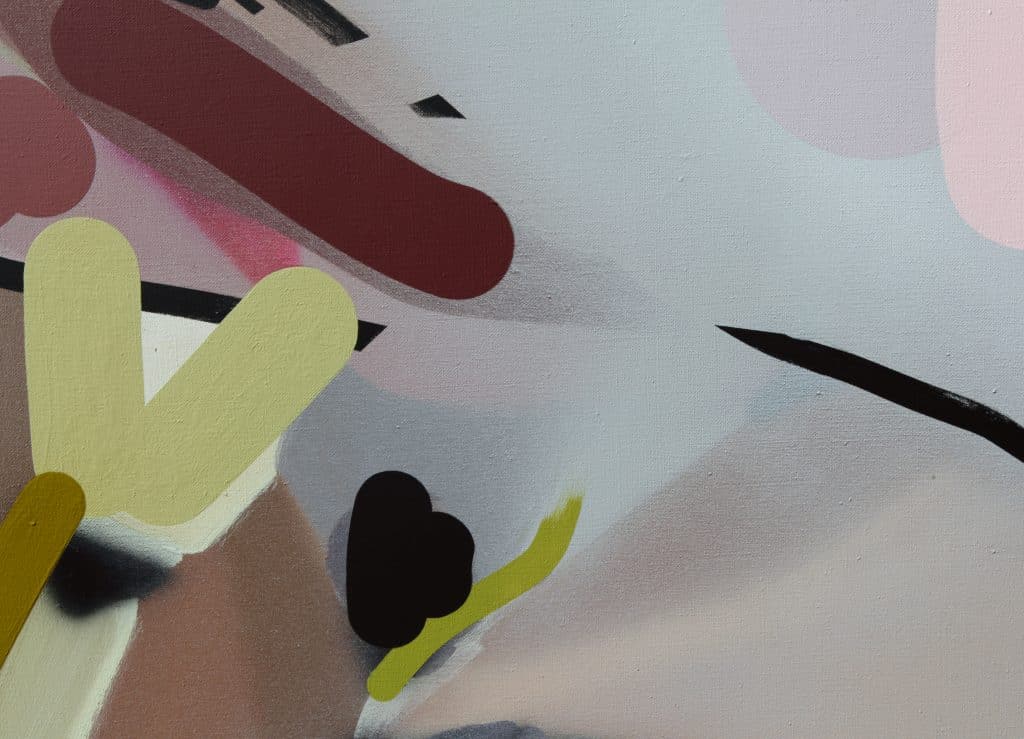
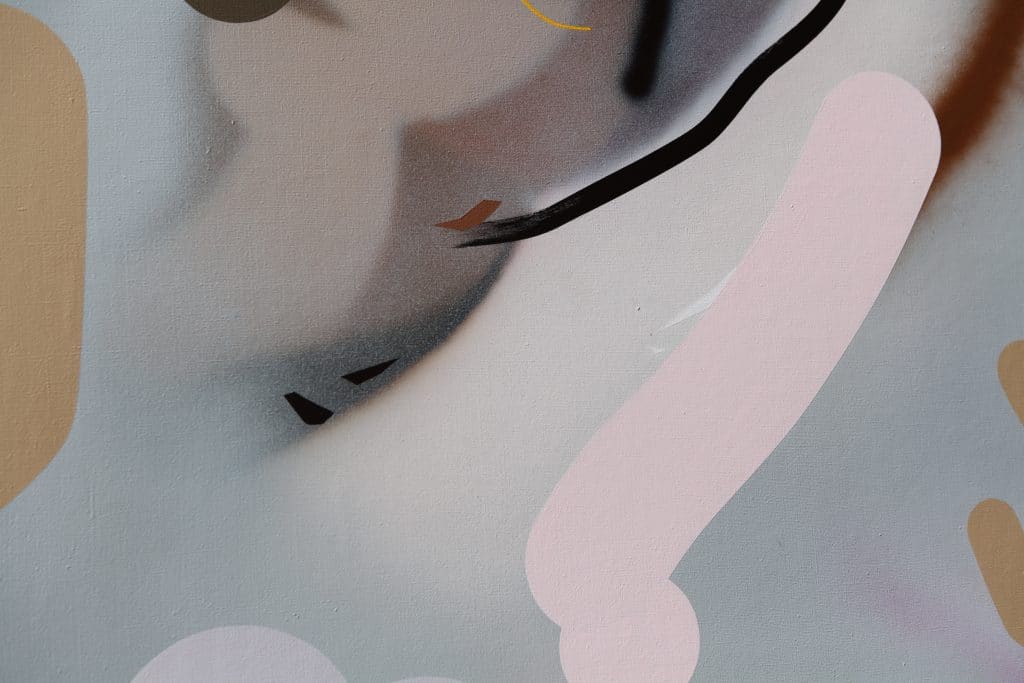
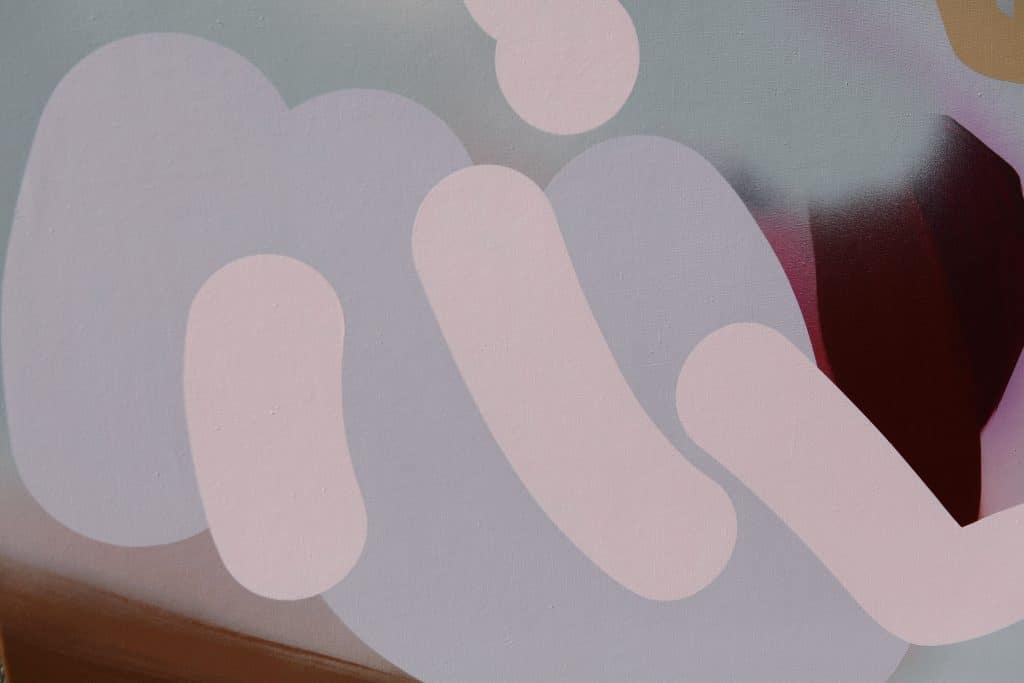
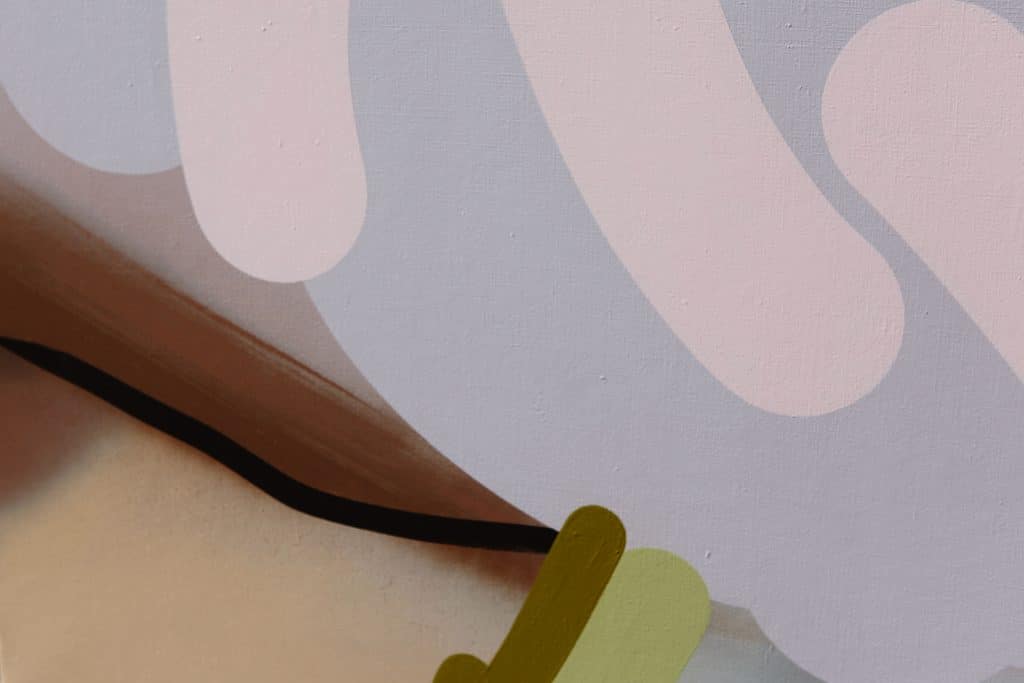
Z,Y,X 2021
« DEUX »